















Homes aren’t just for living anymore.
They’re offices, nap zones, movie rooms, and everything in between. And when a loud vacuum barges in? It throws everything off.
That’s where quiet robot vacuums come in.
Instead of choosing between clean floors and a peaceful home, newer models focus on low-noise cleaning, smarter navigation, and steady performance. Some are built for apartments with thin walls. Others are designed for homes with babies, pets, or late-night cleaning routines.
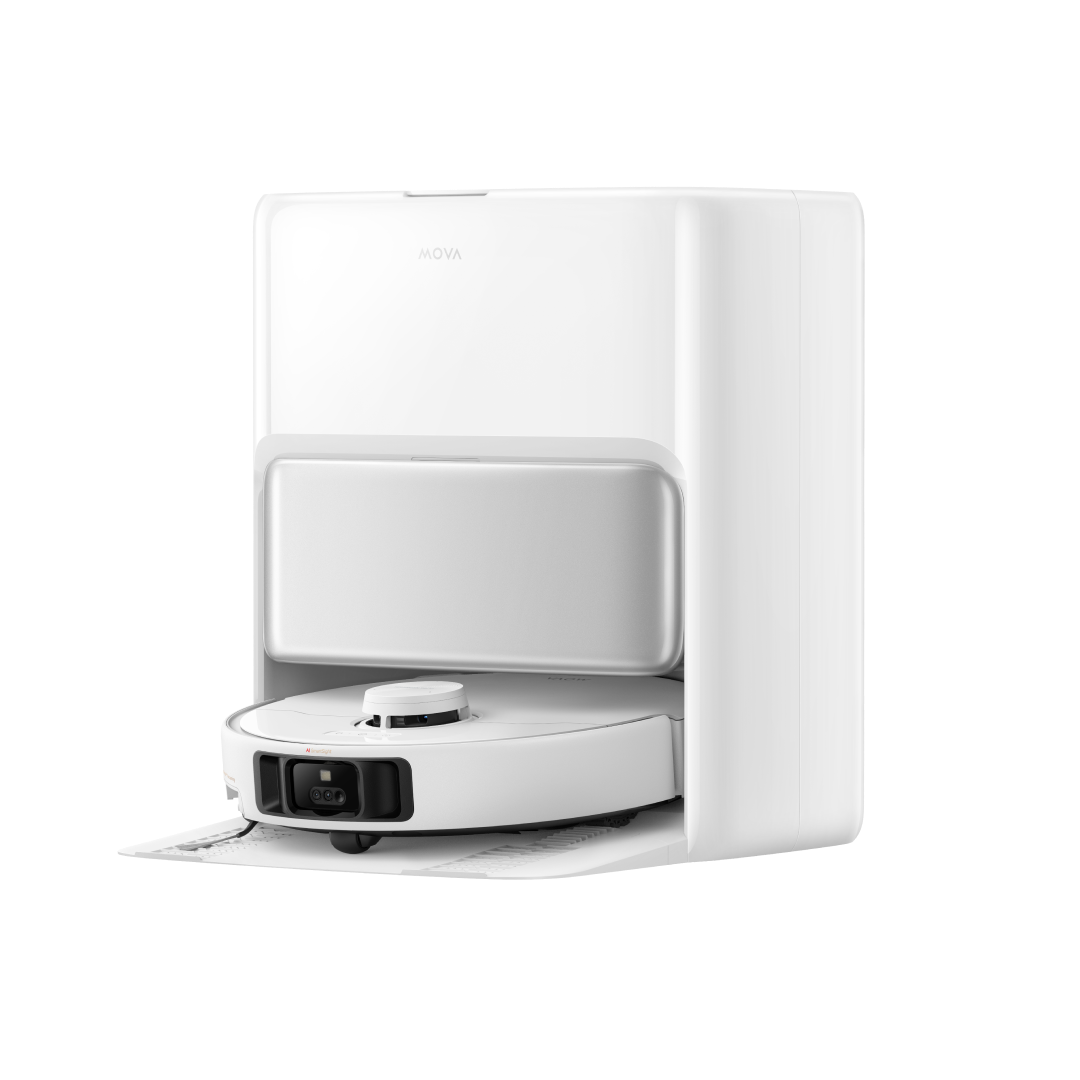
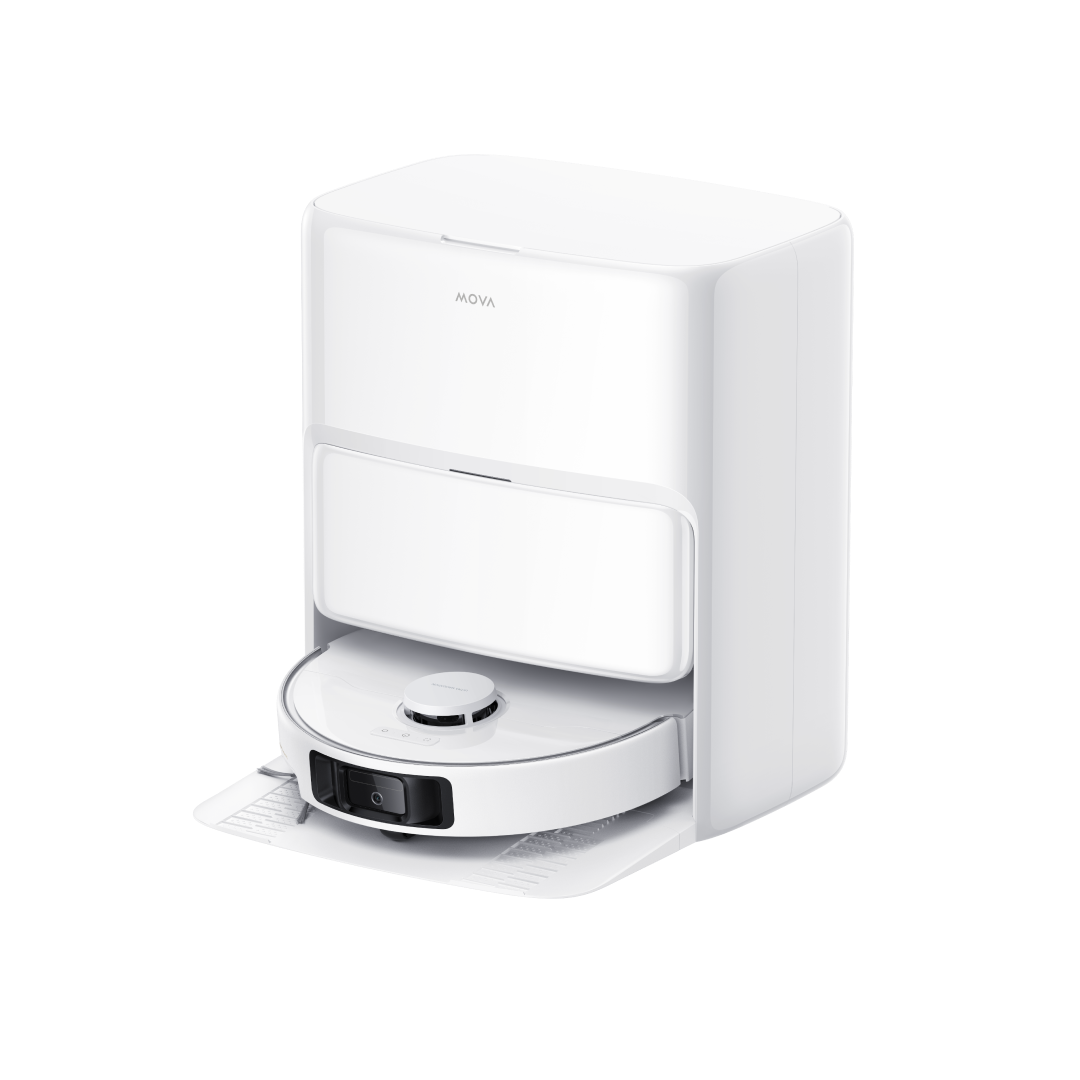
After testing multiple models across different floor types and noise levels, one thing stood out: MOVA V50 Ultra Complete
It delivers the best balance of power and quiet operation, keeping noise low without sacrificing cleaning performance. No clunky movement, no sharp motor whine, just smooth, consistent cleaning that blends into your day.
If you want a robot vacuum that actually stays out of your way (sound-wise), this is the one to beat.
Quick Comparison: Quietest Robot Vacuums
|
Model |
Noise Experience |
Best For |
Key Strength |
|
MOVA V50 Ultra Complete |
Whisper-quiet, smooth hum |
Apartments, babies, shared walls |
Best overall balance of power + silence |
|
Roborock S7 MaxV Ultra |
Moderate, slight high-pitch |
Tech-heavy homes |
Advanced AI + strong features |
|
Eufy 11S MAX |
Low hum but bumping noise |
Budget users |
Simple and naturally quiet |
Why Noise Matters in Modern Homes

Noise hits differently now that so much of daily life happens at home. Work calls, quick lunches, random deadlines, and house chores all happen in the same space.
A loud robot vacuum running in the background can throw off focus fast. It’s the kind of disruption that makes you pause your task, stare at the wall for a second, and wait for the machine to calm down.
Noise distractions are more than just annoying, they directly affect productivity. Research cited by the World Health Organization shows that continuous environmental noise can reduce concentration and increase stress levels, especially in home environments where work and daily life overlap.
That’s one of the big reasons quiet cleaning tech has become a priority nowadays. A low noise robot vacuum lets you keep your place clean without rearranging your entire schedule around it.
In addition to that…
Nap time also changes everything for families with babies or toddlers. A sudden burst of noise can shorten a nap by an hour, and we all know that one hour can shape the rest of your day.
Parents tend to clean in short windows, so having a robot that hums softly in the background helps keep the peace at home. A silent robot vacuum isn’t about luxury in this case, but more like a tool that helps maintain everyone’s sanity.
Apartment living adds another layer to the conversation. Noise travels through thin walls and shared hallways at the most inconvenient times.
Thus, a robot vacuum for apartment noise control can make a big difference, especially if your neighbors work odd shifts or have unpredictable schedules. A quiet machine is simply easier to live with in a small space; it blends into the daily routine instead of making you think twice before pressing the start button.
Night cleaning is another growing habit, mostly because it frees up the day. Many people set their robot vacuum to run after dinner or before bed.
The only catch is the noise.
A robot vacuum that rattles across floors late at night isn’t ideal, especially for people with light sleep. Conversely, a unit that stays calm and steady is better for nighttime runs, and it works well for people who prefer waking up to clean floors without any hassle in the morning.
Decibel Levels Explained
Decibels can look a bit intimidating at first, but they don’t need to be.
The key thing to know is that the scale isn’t linear. A jump of 10 dB sounds roughly twice as loud to the human ear.
According to the National Institute for Occupational Safety and Health, decibel levels follow a logarithmic scale. This means that even small increases in dB represent significant changes in perceived loudness. This is why a difference of just 5-10 dB in robot vacuums can noticeably impact comfort at home.
That means a robot vacuum at 70 dB isn’t “a little” louder than one at 60 dB. It’s a very noticeable leap.
In quiet models, even a 3-5 dB difference can change how a room feels when the cleaner’s running. So, if you’re scanning product pages for the quietest robot vacuum, those smaller margins matter.
Comparison to common household sounds
Putting the scale into daily context helps even more.
For example…
A mild hum around 40-50 dB fades into the background for most people. It’s the sound of a calm house, a running fridge, soft indoor chatter, or that moment your coffee machine goes about its business.
When you reach 60-65 dB, you’re entering normal conversation territory. Still manageable, though.
Now, 70+ dB is where traditional vacuums typically fall. This is exactly why so many people are opting for quiet robot vacuum options these days; no one wants that constant background grind.
The best low-noise robot vacuum units stay in a zone where you don’t feel the urge to pause a meeting or close the bedroom door.
Anyway, here’s a quick sound comparison to put things into perspective. It’s easier to judge robot vacuum noise when you have real-life references in mind.
|
Sound Reference |
Typical dB |
|
Whisper |
30 dB |
|
Library ambience |
40 dB |
|
Normal conversation |
60 dB |
|
Traditional vacuum |
70-80 dB |
|
Lawn mower |
90 dB |
|
Busy traffic |
85-95 dB |
Impact of frequency and tone beyond volume
Now for the part almost nobody talks about when comparing specs: tone quality.
Noise isn’t only about loudness but also about pitch, vibration sounds, and airflow notes. Hence, two vacuums can measure the same dB and not sound the same.
A smoother, lower-frequency hum is easier to live with, while higher-pitched noise or rattly resonance feels sharper and pulls attention.
The good thing is….
Robot vacuums with quiet mode tackle this with motor tuning and vibration control, not just volume caps. These models with proper noise control stay closer to normal conversation volume or lower.
The goal here is steady, unobtrusive sound that blends into your day, not something that makes you raise your voice or hit the pause button on life.
Quietest Robot Vacuums Tested

Alright, here’s the part where things get a bit more hands-on.
Noise is a big deal for a lot of people, so testing robot vacuums for this review meant focusing on what you’d actually hear at home, not in some fancy lab.
The goal is simple: give you a clear sense of how these vacuums behave in real life, especially if you’re trying to find the quietest robot vacuum that won’t stress out your neighbors or mess with your workflow.
Testing Methodology:
- Sound measurement at 1 meter distance
We wanted our noise readings to mirror everyday setups. So we measured from 1 meter away, using a sound meter placed at the height of a side table.
That’s roughly where noise hits you when you're on the couch or sitting at your desk. Each robot vacuum ran for a full 10-minute cycle before we logged the average. This avoids startup spikes or random silent seconds skewing the data.
- Different surface type comparisons
Floor type changes everything about perceived noise, and with this in mind, we tested on hardwood, low-pile carpet, and standard tiles. Same room, same distance, different floors. And the contrast was interesting.
Tiles produced the most honest baseline because there's minimal echo absorption. Carpets softened sound the best, but sometimes amplified vibration rumble from the wheels.
And hardwood sat comfortably between the two. Each pass included corner cleaning and perimeter mode. Because edge brushes can sound busier than the main motor in some units.
- Boost mode vs. quiet mode analysis
Next up was mode-to-mode behavior. We ran every model in its lowest noise setting, then in its highest suction/boost mode. And we tracked peak loudness and the sustained average.
A few robots barely changed, even in boost. Others sounded like their motors found hidden reserves. MOVA’s quiet mode, for example, stayed consistent enough that it belongs in real low-noise robot vacuum categories. The drop from standard to quiet mode was clearly audible, and we measured it too.
Performance Results:
- Chart: Noise levels across top models
Cleaning performance trade-offs in quiet mode
Quiet settings often mean dialing suction power down, and that naturally affects pickup. On most robot vacuums, fine dust and pet hair collection stayed solid. Larger crumbs were handled well if the robot had a tidal pattern pass (back-and-forth coverage).
Where we saw trade-offs, though, was deep carpet debris. In quiet mode, robots typically needed two full passes to match their own single-run performance in standard mode. That’s not a deal-breaker; it simply means quiet mode cleaning takes patience on carpets.
Real-world usability assessment
Sure, numbers are important. But if a robot vacuum is quiet and miserable to live with, it doesn’t deserve space in a 2025 ranking. For that reason, we judged usability in actual home scenarios.
Could we stay on a call while it worked? Yes, for the quieter models. We joined a sample meeting with each robot running to see if we could talk, think, or type without feeling interrupted.
Navigation noise mattered here, too. Dock-finding, turning, wheel hops between rugs, and transition bars often add their own layer of noise. The reliable performers avoided sharp pitch noise, clanky direction changes, or wheel chatter.
MOVA Quiet Mode Analysis
Imagine you have a robot vacuum humming in the background while you join a work call from home. That’s exactly the kind of moment where MOVA’s quiet mode tries to shine.
MOVA models, at their lower noise setting, run soft enough that you can still hear a call or watch TV without the robot vacuum screaming in the background. That’s a strong point if you care about a silent robot vacuum that respects home life and apartment-noise concerns.
Cleaning performance comparison: quiet vs. standard mode
We put MOVA’s quiet mode through back-to-back runs with its standard setting in the same space, under the same mess.
One cycle followed the other.
We didn’t pause between floor types. And we started with the usual culprits: pet hair, dust trails, scattered snack crumbs, and a little grit near the door.
Standard mode cleared faster on the first pass, while debris pick-up in quiet mode stayed impressively thorough with smaller particles.
However…
It needed an extra lap to match the speed of standard mode for larger crumbs. That difference shows up in timing, not in the quality of the clean.
So for daily upkeep, the quiet mode keeps floors looking just as tidy. It simply takes a calmer pace while it works.
Battery Performance in Quiet Mode
The runtime results were steady and predictable.
What We Noticed
- Stable battery usage – No sudden drops mid-clean
- Completes full cleaning cycles – No early returns to dock
- Similar overall drain to standard mode – Longer runtime balances lower power
Why It Matters
- Reliable scheduling – Easy to plan daily or weekly cleaning
- No interruptions – Won’t stop halfway through a job
- Low maintenance – Consistent performance over time
Ideal scenarios for quiet mode usage
Quiet mode makes the most sense in a few everyday situations, such as:
- When you’re working from home and need to keep noise low for calls or focus time
- During baby or toddler nap time, or if someone in your home naps during the day
- For night cleaning. After everyone sleeps, you can still let a MOVA robot vacuum run without risking a wake-up
- If you live in an apartment or shared space and want a robot vacuum for apartment noise control
- For regular maintenance cleaning: dust, pet hair, crumbs; light but recurring messes
Best Use Cases for Quiet Operation

Here’s a look at situations where low-noise cleaning really pays off.
Night Cleaning
Running a robot vacuum at night works surprisingly well when it’s quiet. Scheduling is key here. You can set your robot vacuum to clean while everyone sleeps, and the low hum won’t wake the household.
Quiet operation also adds a safety layer: less loud vibrations mean less chance of knocking over delicate items or startling pets.
Small Apartments
Open concept spaces in small apartments often mean sound travels easily, so a low noise robot vacuum keeps cleaning from feeling intrusive. In compact homes, the quieter your robot runs, the more you can schedule daytime cleaning without disturbing roommates, neighbors, or just your own peace and quiet.
Office Environments
For home offices or professional settings, a robot vacuum that quietly operates makes a huge difference. That’s because a robot vacuum buzzing during calls or video meetings can break focus. With the quieter settings, you can maintain a clean workspace without interrupting concentration; perfect for anyone working remotely or keeping a tidy professional setup.
Media Rooms
Home theaters, gaming rooms, or media rooms benefit from quiet operation too. A robot vacuum humming too loudly can ruin soundtracks or game sessions, while a quiet one keeps the background noise minimal, so your floors get cleaned without your movie night or music session turning into a distraction.
Technology Behind Quiet Operation
Modern robot vacuums aren’t just about suction power; they also have to be smart about sound. Now, quiet models combine multiple engineering tweaks to keep operation calm without sacrificing cleaning.
Let’s take a look at the breakdown below.
Motor design and noise reduction
A quieter clean usually starts with the motor.
The best robot vacuums now use slower-spinning brushless designs to cut down internal whir. They’re tuned for consistency instead of max RPM.
Manufacturers also add foam or insulated housing around the motor bay to soften mechanical noise before it exits the chassis.
MOVA’s newer robot vacuums take a similar approach. They focus on stable motor output in quiet mode rather than aggressive peaks. That kind of design philosophy actually shows up in everyday use and makes a real difference you can hear.
Vibration dampening systems
Robots rumble more often than they roar, which is why wheels crossing uneven grout or a slight floor dip can send small vibrations into the body. The quietest models reduce that chatter with rubber suspension points connecting the motor, dustbin, and frame.
Some also isolate the wheel modules with cushioned mounts to prevent that low-frequency buzzing that can sound louder than the suction itself.
We found robots with good dampening sounded smoother on hard tiles and engineered wood. They also survived floor transitions without sounding annoyed by the swap.
Aerodynamic airflow optimization
The sound of air traveling through a robot vacuum matters, and quiet-focused robots optimize the internal duct shape to keep air moving cleanly through bends without turbulence noise building in narrow channels.
Wider passages, fewer sharp turns, and cleaner exit vents help a lot here. It keeps the airflow signature steady.
Worth noting that the robots that ranked high for noise comfort didn’t sound airy or sharp. They sounded balanced, and their exhaust had a softer, lower presence.
That’s what good airflow engineering does.
Brush design and noise minimization
Now we’re at the brushes, the real floor contact team.
Standard bristle brushes make a loud scrubbing sound on textured surfaces, while quiet models lean toward rubber or hybrid blades. The result is that they maintain pickup without the busy, high-frequency noise.
Also, some systems with aggressive spinning mop pads can add a mechanical whirring sound to the mix, so we looked for models that kept this minimized.
Edge brushes were part of our noise assessment, as well. Multi-arm brushes with softer TPU components sounded calmer along baseboards.
A few things that helped the most:
- Rubber or hybrid rollers reduce surface scraping sounds
- Softer edge-brush arms keep wall contact lighter on the ears
- Fewer stiff bristles mean less high-pitch brushing noise on grout
In our testing blocks, the winners proved that quiet tech isn’t one single piece but a chain reaction of small, thoughtful choices working together.
Each component plays its part without demanding applause.
Up next, we’ll spotlight the top 3 models that delivered the lowest average noise with the best overall experience.
Read on!
Top 3 Quietest Models
We’ve crunched the decibels and listened to hours of humming motors.
Now, let’s talk about what these machines are actually like to live with.
For these reviews, we didn’t just look at the spec sheet but really ran them while working, watching TV, and even while a (very patient) cat was napping nearby.
Here is how the top contenders stacked up.
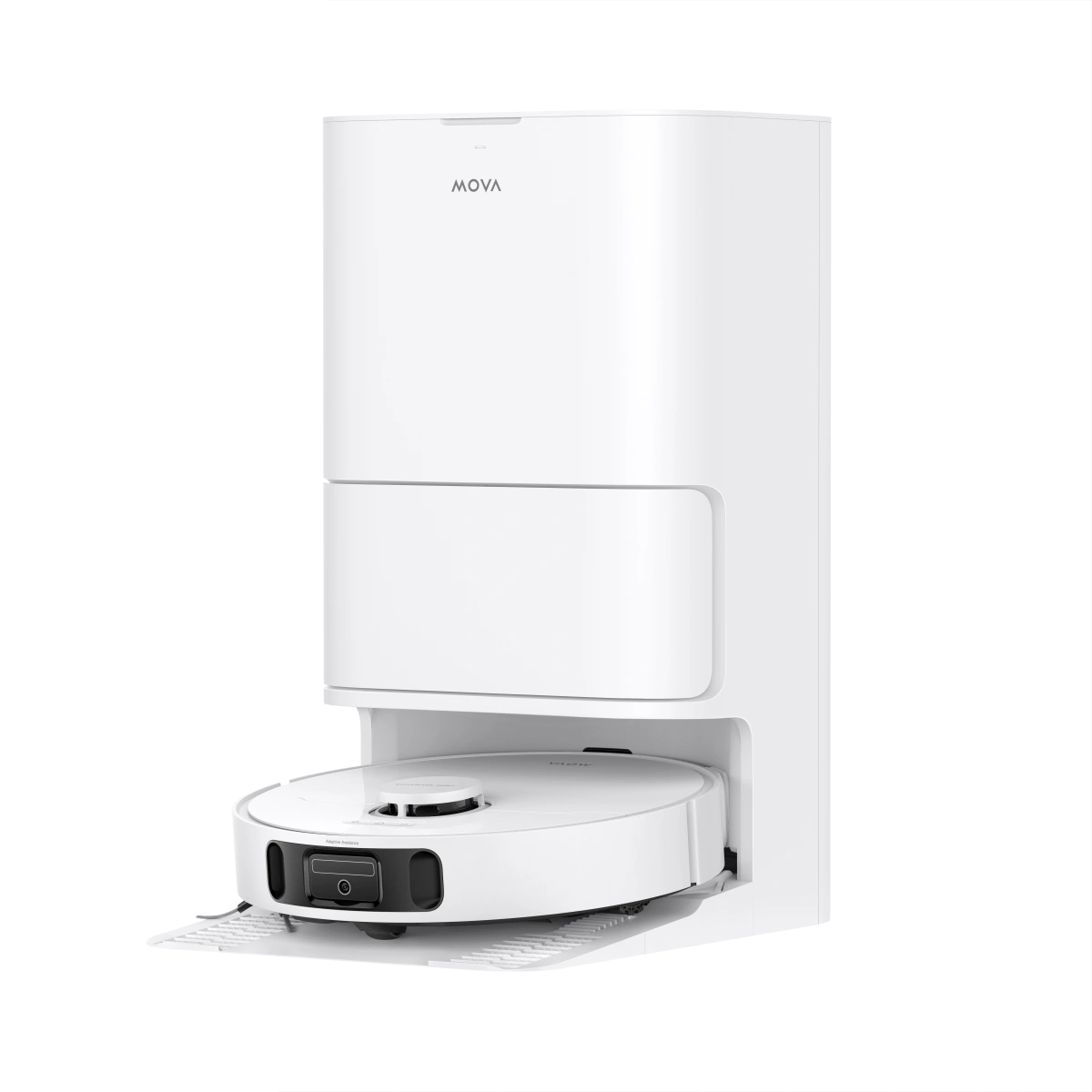
MOVA V50 Ultra Complete Robot Vacuum and Mop, the Quietest Overall
If there’s one robot vacuum mop that surprised us during testing, it was this one. Usually, when a manufacturer claims high suction power, you expect the noise level to skyrocket.
Well, the MOVA V50 Ultra pushes a massive 24,000 Pa of suction power, which is way higher than most robot vacuums, yet it manages to keep its voice down.
The coolest feature here is definitely the FlexiRise Navigation. Most laser-guided robots have that little turret on top that bumps into low furniture; the V50 Ultra actually retracts its sensor when it sees a tight squeeze.
We watched it slide under a low-clearance coffee table that other robot vacuums usually get stuck on or bang against. It just lowered the sensor, glided in, cleaned the dust bunnies that had been living there for months, and popped back out without a sound.
It’s stealthy.
Now for the fun part…
We ran a specific MOVA quiet mode review test during a conference call, and nobody on the other end could hear it. Even when it switched to mopping with the DuoSolution System, which uses pet-specific cleaning solutions for daily use and pet messes, the operation remained smooth.
The hot water mop washing function was also just as impressive. It helped break down sticky kitchen spots without adding extra noise to the cleaning cycle.
We also found that the mop pads exerted even pressure without squeaking against the floor.
It doesn’t rely on brute force noise to clean.
The StepMaster system is another subtle win; instead of aggressively clunking over door thresholds or small steps, it smoothly lifts itself and climbs over obstacles up to 6 cm (2.36 inches). You don’t get that jarring thud-drag-thud sound that usually announces a robot is entering the room.
It feels like the engineers focused on flow rather than just raw power. It’s arguably the quietest robot vacuum experience because it avoids the mechanical clatter of bumping and struggling.
It cleans, navigates, and handles mop washing without making the whole house know about it. Which is basically the point of getting a quiet robot vacuum.
Roborock S7 MaxV Ultra Robot Vacuum and Mop, the Best Balance
The Roborock S7 MaxV Ultra is quite the heavy hitter of the group. As a high-end combo robot vacuum, this machine balances a good amount of futuristic tech with respectable noise control.
The ReactiveAI 2.0 in this model is genuinely impressive. It uses an RGB camera to spot obstacles like shoes or cables. We noticed it’s very good at avoiding toys on the floor, which saves you the terrible grinding noise of a robot choking on a stray Lego brick.
However…
All that processing power and the 5100 Pa suction motor create a very distinct, high-pitched whine. It’s not “loud” per se; it's definitely a silent robot vacuum candidate compared to older models, but the frequency cuts through the air a bit more than the MOVA V50 does.
This one sounds focused, kind of like a piece of industrial machinery.
Here is the catch with the “Ultra” package: the robot is reasonably quiet, but the Empty Wash Fill Dock is... quite assertive. We mean that when it empties the dustbin, it creates a whoosh that sounds like a jet engine warming up in your living room.
If you are looking for balance, meaning you want top-tier mapping and AI smarts and can tolerate a few seconds of loud docking noise, this is your guy.
It’s a nice vacuum cleaner if you want automation, but it lacks that final layer of audio refinement found in our top pick.
eufy Robot Vacuum 11S MAX, Budget Option
The Eufy 11S MAX is a bit of a throwback. It doesn't have the laser mapping, the cameras, or the warm water mopping of the others. Instead, it’s a classic basic robot vacuum with a “bump-and-go” style.
And sometimes, simple is good.
Because it lacks a massive, overpowering motor, it’s naturally a low-noise robot vac. It hums along at a volume often compared to a microwave. With a height of just 2.85 inches, this compact robot vacuum fits under almost anything, which is great for apartment dwellers with low IKEA furniture.
We liked the BoostIQ feature, which revs up suction power on carpets. It happens quickly, within 1.5 seconds. But since this robot navigates by bouncing off walls (literally), the motor noise isn't the problem; it’s the impact noise.
Now here’s the usability trade-off…
You notice the lack of smarts pretty quickly. For starters, there’s no app and you have to use a physical remote. In 2025, hunting for a remote control feels a little outdated when it comes to robot vacuums.
Also, since it doesn't map your room, it tends to ping-pong around. You might hear it cleaning the same corner for 10 minutes while missing the center of the room.
Don’t get us wrong, it’s a solid robot vacuum for apartment noise control if you want to save money. But you have to accept that it takes longer to clean because it tends to wander around a bit aimlessly.
Our Verdict: Which One Should You Get?
After testing all three on hardwood, tile, and carpet, the hierarchy is clear based on what you need.
1. The Quietest Overall: MOVA V50 Ultra Complete
This model hits the sweet spot. It combines massive power (24,000 Pa!) with a dampening design that keeps the noise profile low and pleasant. The retractable sensor prevents the “bumping” noise, and the warm water mopping is silent but deadly on dirt. It’s the smartest choice for shared walls and light sleepers.
2. Best Balance: Roborock S7 MaxV Ultra
An incredible machine if you prioritize gadgetry over absolute silence. It balances high-end features like AI obstacle avoidance with decent acoustics. Just be prepared for the dock to make quite a scene when it empties the bin.
3. Best Budget Option: Eufy 11S MAX
It’s quiet because it’s simple. If you don't mind using a remote, it gets the job done for a fraction of the price. It lacks the sophistication of the MOVA V50, but it respects your wallet (and your ears).
Comparison Table
|
Feature |
Roborock S7 MaxV Ultra |
Eufy 11S MAX |
|
|
Noise Experience |
Whisper quiet. Smooth, dampened motor hum. No clunking thanks to retractable sensors |
Moderate. Distinct motor whine & very loud self-emptying dock whoosh |
Low Hum. Quiet operation, but frequent bumping noises against furniture |
|
Suction Power |
24,000 Pa (Highest Power) |
5,100 Pa |
~2,000 Pa |
|
Mopping Style |
Silent scrub. Warm water mopping with quiet pressure |
VibraRise. Sonic vibration (effective but adds a buzzing sound) |
N/A (Vacuum only) |
|
Best For... |
Apartments, naps & shared walls |
Tech enthusiasts & large homes |
Budget shoppers & simple layouts |
|
Price Tier |
Premium value (High-end features at a competitive price) |
Luxury (High cost for camera AI & brand name) |
Budget (Very affordable, entry-level) |
Final Thoughts

Finding peace and quiet at home is hard enough without your appliances fighting against you.
We spent hours tracking decibels and cleaning floors to see if marketing claims matched reality. And the results were genuinely surprising.
Now, you no longer have to choose between a clean rug and a nap!
If your main goal is finding the quietest robot vacuum that actually scrubs, then the MOVA V50 Ultra wins. It manages to pack serious power into a very polite package. The engineers clearly prioritized sound dampening alongside suction power, and it shows in daily use.
Needless to say…
For anyone dealing with shared walls, a reliable robot vacuum for apartment noise is a necessity, not a luxury. Keeping the volume down keeps the neighbors happy.
We also noticed that using a low-noise robot vacuum changes your routine; you run it more often because it doesn't interrupt your life.
While physics stops us from having a 100% silent robot vacuum, the gap is closing fast. The results of our tests proved that you can clean and work at the same time without losing focus.
Ultimately, the best tech is the kind you don't notice; it just does the job and stays out of your way.
Stop choosing between clean floors and quiet time! Check out the Mova V50 Ultra today and enjoy the best of both worlds.
Frequently Asked Questions
1. What is considered a quiet robot vacuum?
A quiet robot vacuum typically runs between 50-60 dB. This is about the level of a normal conversation or a calm home environment.
Anything above 70 dB starts to feel noticeably loud indoors, especially in small spaces or apartments. If you want minimal disruption, look for models with a dedicated quiet mode and stable motor output.
2. Can I run a robot vacuum at night without waking people?
Yes, as long as you’re using a low-noise model.
Robot vacuums with quiet mode are designed for night cleaning. They produce a soft and steady hum instead of sharp or sudden noise. Also, they’re ideal for light sleepers, shared spaces, or homes with babies.
3. Do quieter robot vacuums clean less effectively?
Not necessarily.
Most quiet modes slightly reduce suction power. However, they still handle dust, pet hair, and daily debris very well. The main difference is speed. Quiet mode may take longer or require an extra pass for larger messes.
4. What makes a robot vacuum quieter than others?
Several design factors affect noise levels:
- Brushless motor tuning – reduces high-pitched noise
- Vibration dampening – prevents rattling on hard floors
- Airflow design – minimizes turbulence sound
- Rubber brush systems – quieter than stiff bristles
The quietest models combine all of these, not just lower suction power.
5. Are robot vacuums good for apartments with thin walls?
Yes, especially low-noise models.
A quiet robot vacuum is ideal for apartments because it:
- Reduces sound transfer through walls
- Allows daytime cleaning without disturbing neighbors
- Makes it easier to run frequent cleaning cycles
Look for models that avoid clunky navigation noise, not just lower dB ratings.
6. Is quiet mode worth using every day?
For most homes, yes.
Quiet mode is perfect for daily maintenance cleaning. It keeps floors consistently clean without interrupting your routine. You can switch to standard mode only when dealing with heavier messes or deep carpet cleaning.
7. What’s the best robot vacuum for quiet cleaning?
If your priority is low noise without sacrificing performance, the MOVA V50 Ultra Complete stands out.
It combines strong suction with smooth navigation and sound dampening. That’s why it is suitable for apartments, night cleaning, and homes with babies or pets.