







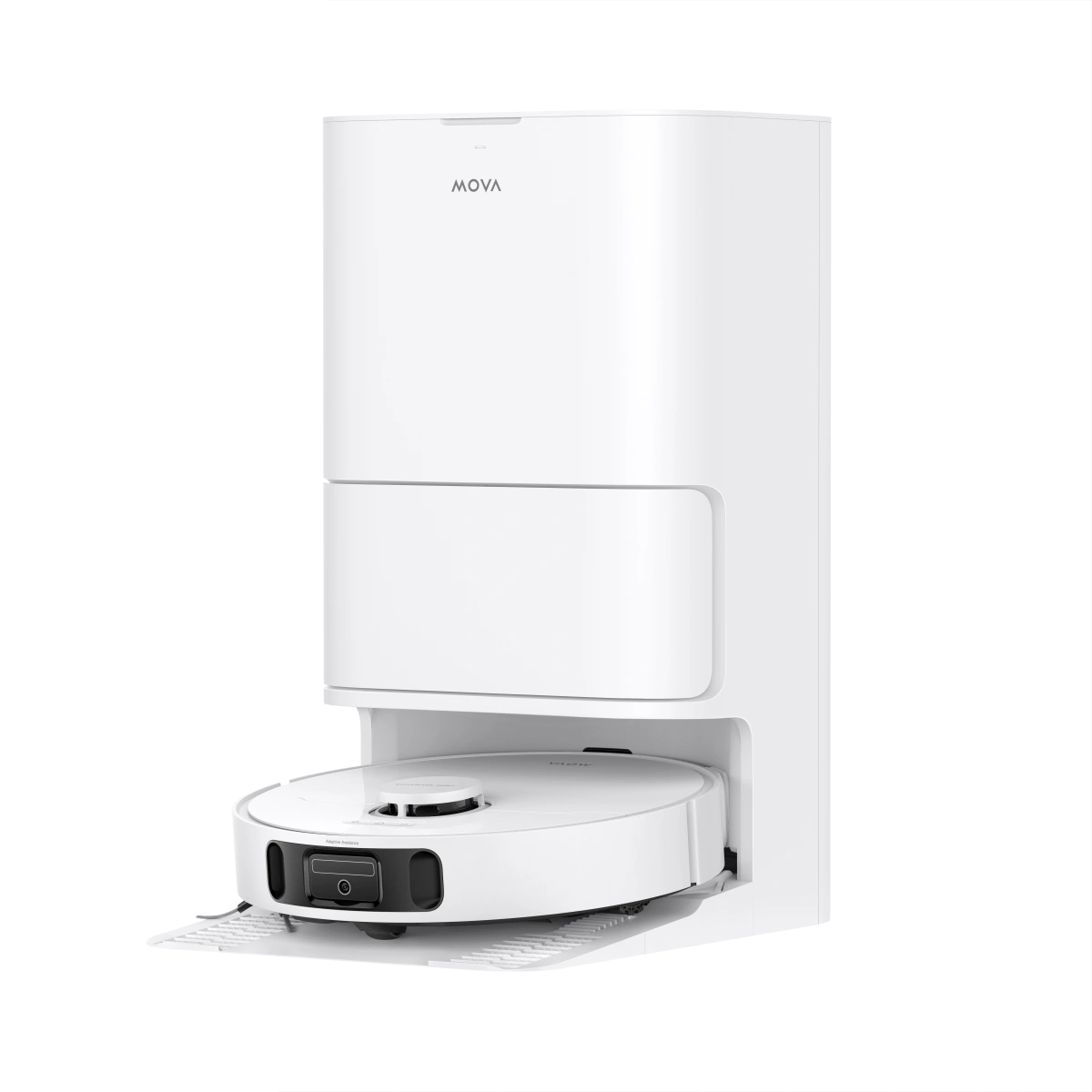


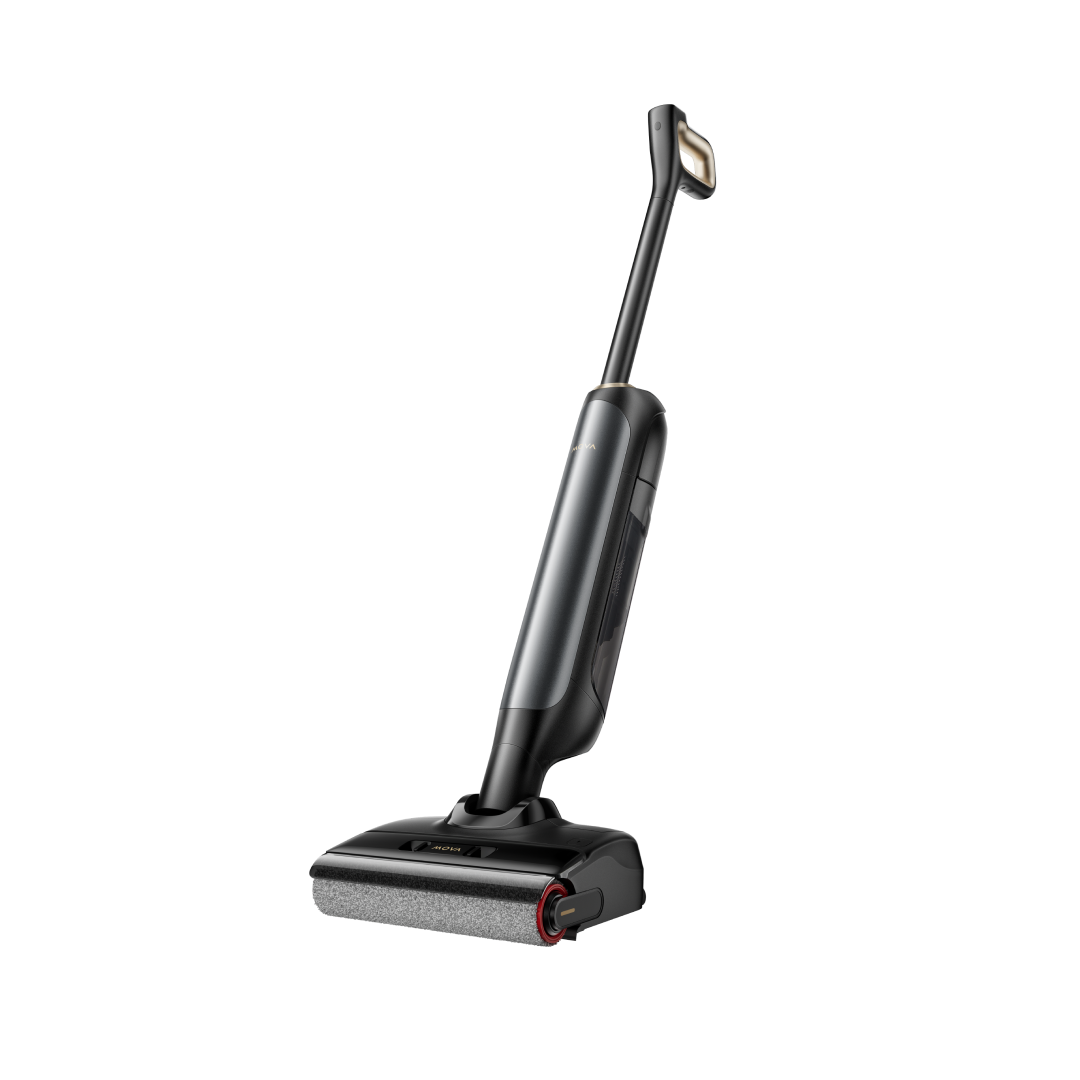
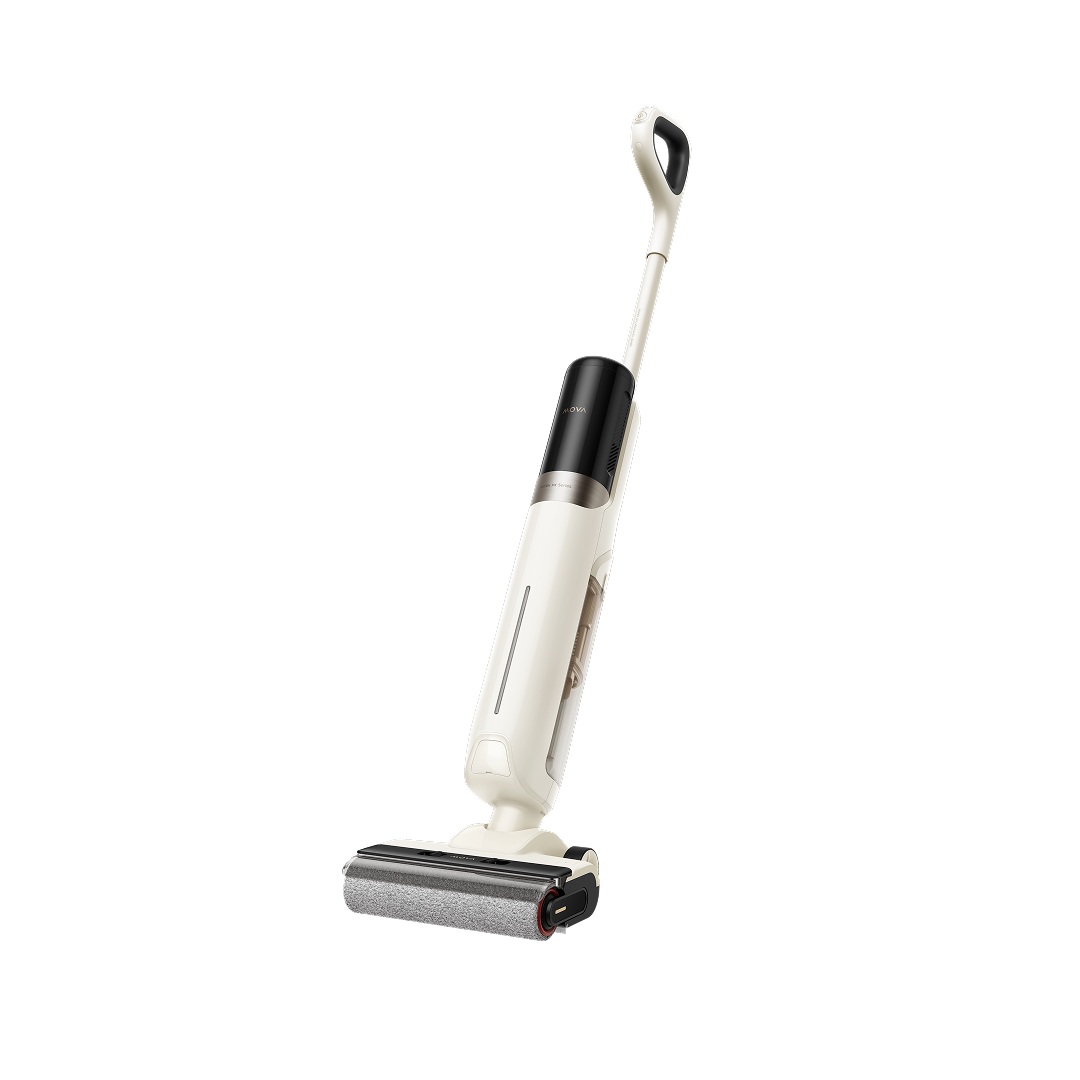






Robot Vacuum and Mop Combos: Are 2-in-1 Systems Worth It in 2025?

A few years ago, the idea of a robot that could vacuum and mop sounded like something straight out of a smart home fantasy.
However…
Fast-forward to now, and these 2-in-1 cleaning machines are everywhere, from high-end hybrids that wash your floors with precision to budget models that promise spotless results for half the price.
But how much of that marketing hype actually holds up at home?
Can a single gadget truly handle both vacuuming and mopping duties without cutting corners?
Robot vacuum mop combos have definitely come a long way. Just think about it, early models dragged a damp pad around the floor, doing little more than smearing dust around.
Today’s systems, though, are smarter, stronger, and surprisingly efficient. Some even detect floor types automatically, adjust water flow, have automated mop washing, and return to their docks to rinse and refill.
With so many brands in the market claiming to be the “best vacuum mop combo robot,” it makes you wonder which ones actually deliver.
Well…
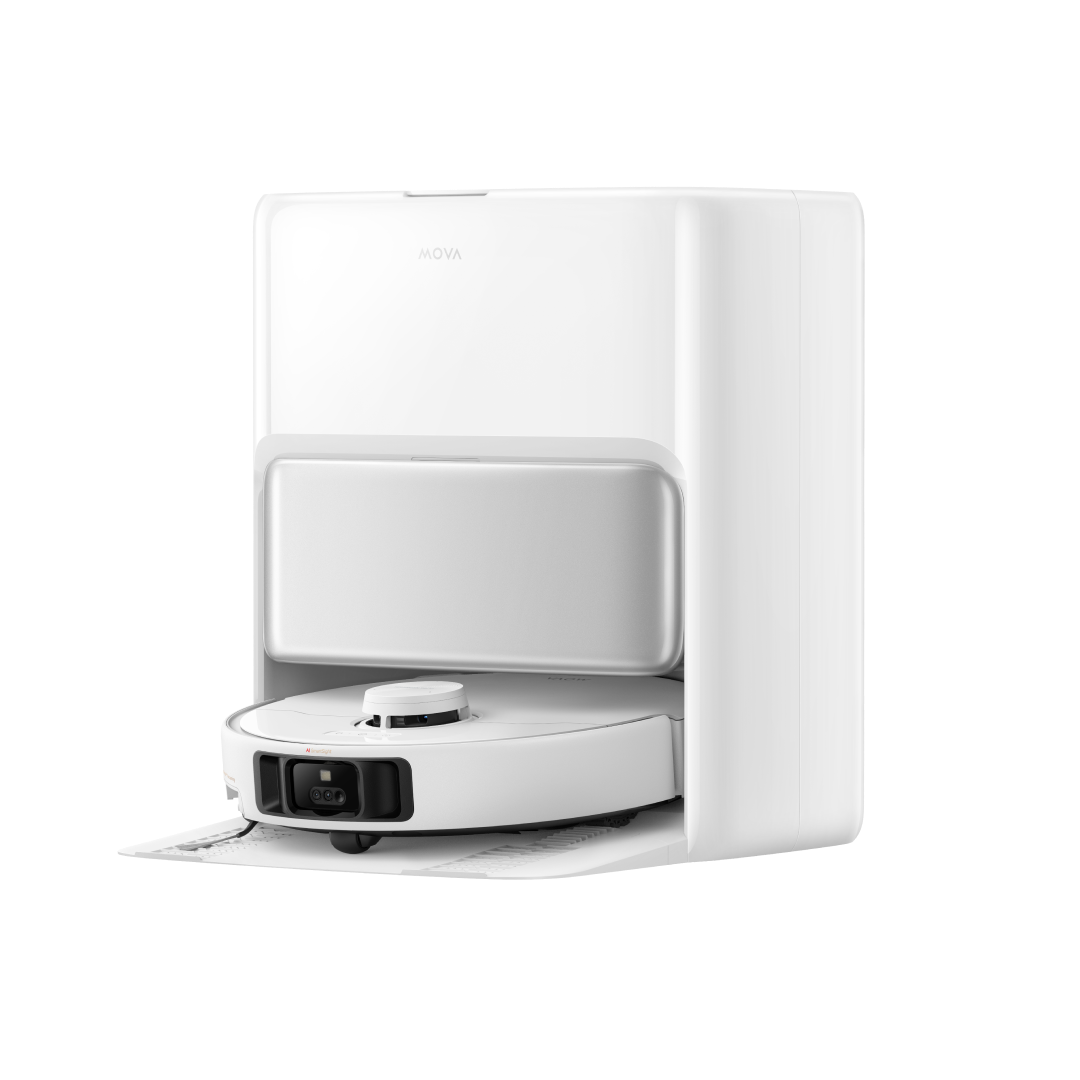
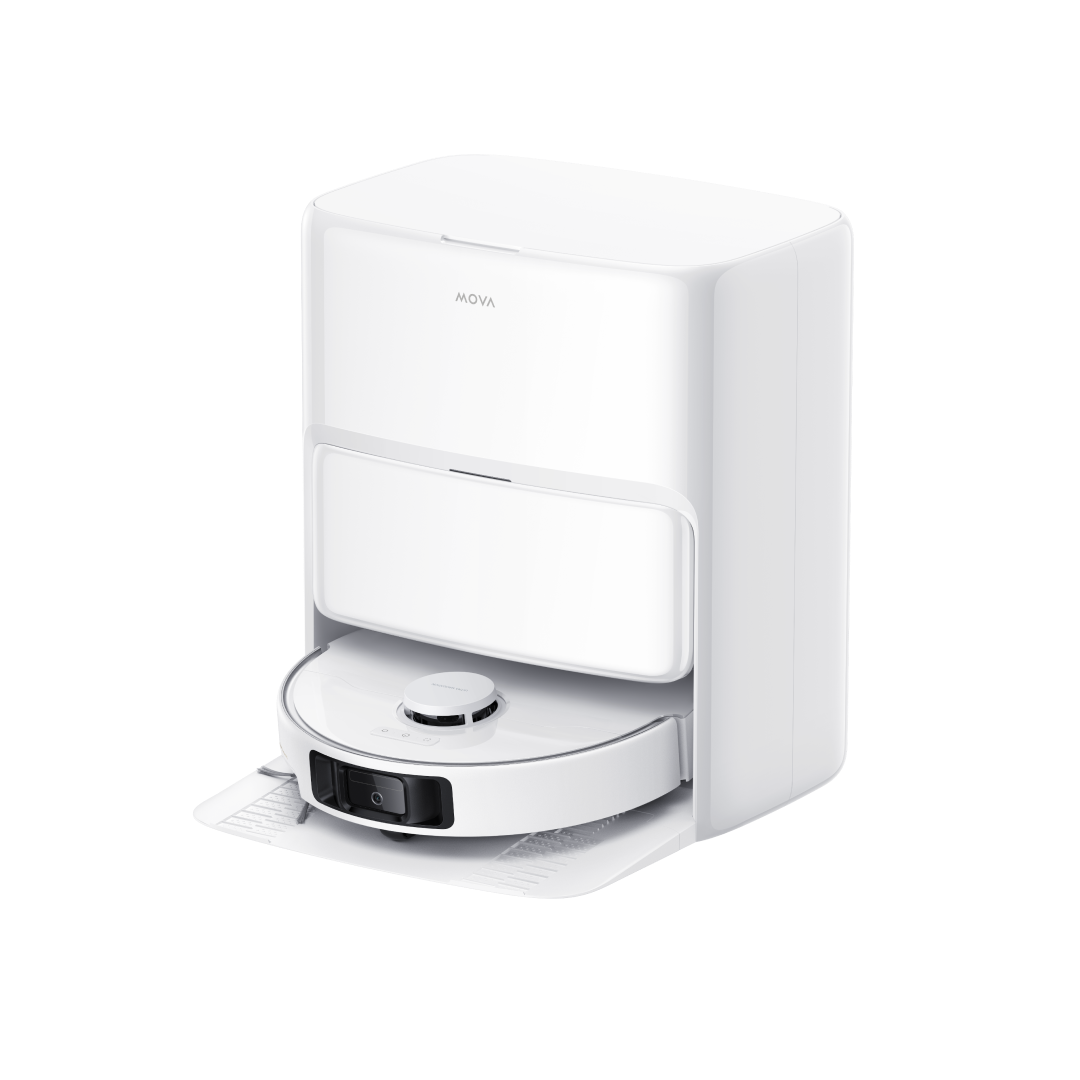
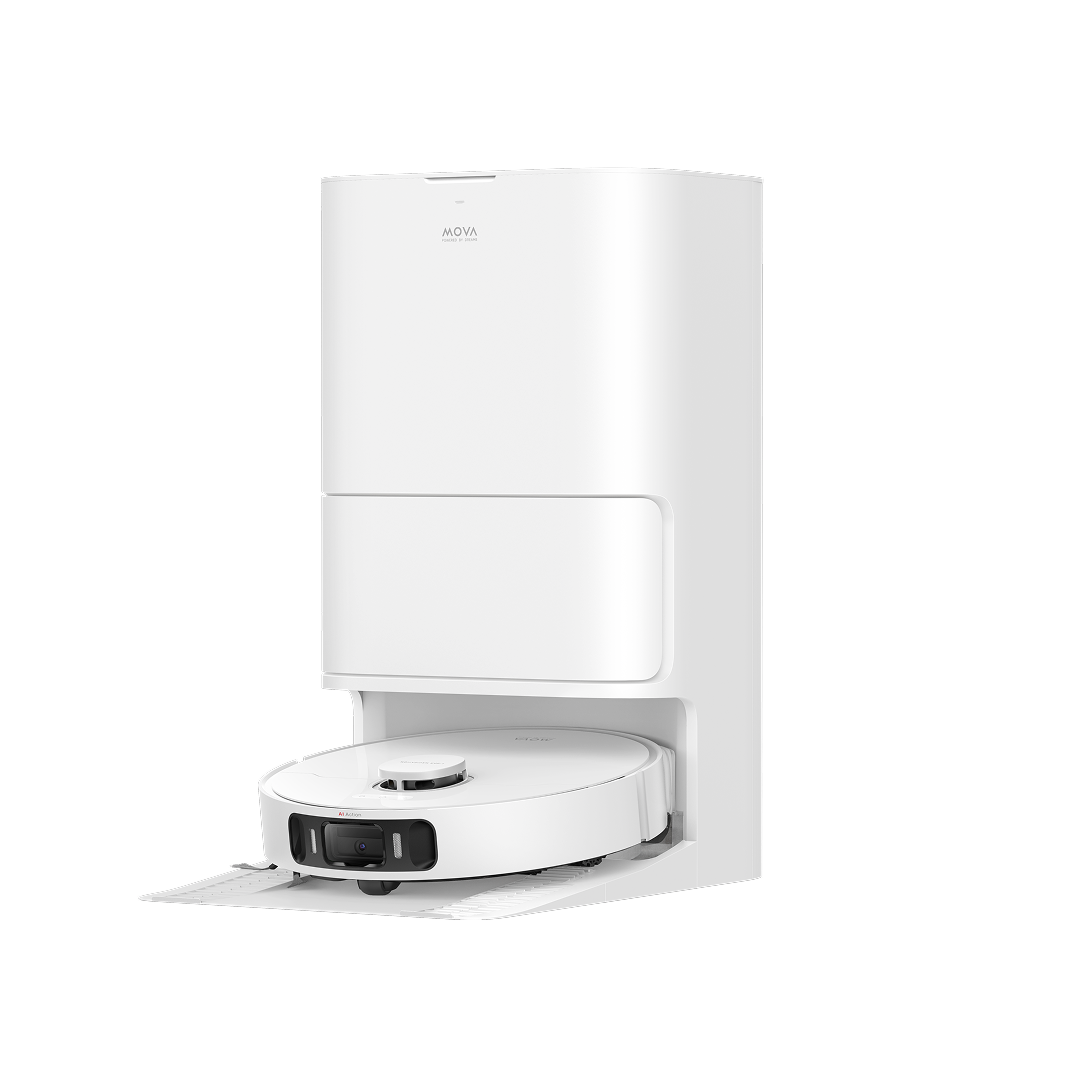
In this guide, we’ll look at how 2-in-1 cleaning technology has improved, what makes the new generation of mop attachments (like MOVA’s) stand out, and what kind of results you can realistically expect in your home.
Sounds good to you?
Let’s jump right in!
The Promise vs. Reality of 2-in-1 Cleaning
When robot vacuum and mop combos first started making noise around 2020, the pitch was simple: one device, two chores done automatically.
Brands showed sleek little robots gliding across spotless floors, vacuuming up crumbs, and then magically switching to mopping mode.
The reality back then?
A little less magical, actually.
The first models mostly dragged a wet cloth behind them, leaving streaks, missed spots, and damp floors that took forever to dry. They saved time, sure. But only if you weren’t too picky about the final result.
Now, things look different.
The best vacuum mop combo robots today use stronger suction, upgraded mapping systems, and advanced mopping technologies like vibrating or rotating pads. They don’t just pass over the floor, but they actually scrub.
Some even lift their mop pads automatically when they sense carpets, so you don’t have to worry about your rugs getting soaked.
That evolution has turned the once-gimmicky robot mop vacuum hybrid into a serious cleaning tool. You can now schedule cleaning by room, choose how much water it uses, and track its progress in real time through an app.
It’s smarter, faster, and way more efficient than the earlier generations.
Still…
It’s worth setting realistic expectations. Even the most advanced 2-in-1 system won’t deep-clean grout lines or scrub out old stubborn stains like a traditional mop would.
But for day-to-day upkeep and light messes, the latest robot vacuum mop combos are genuinely impressive. They’ve gone from being “nice-to-have” gadgets to reliable household helpers that actually deliver on their promise.
They’ve also gotten better at switching between cleaning tasks smoothly, going from dust pickup to light mopping without dragging dirty water across the floor, which was a common issue in older models.
Something few people would’ve said five years ago.
How Robot Mopping Actually Works
For anyone curious about what’s really going on under the hood, robot mopping is more than just a water tank and a damp pad. The technology has quietly evolved over the past few years, moving from simple wipe-downs to precise, pressure-based scrubbing systems that actually clean instead of smear.
Vibration Mopping Technology Explained
Most mid- to high-end robot vacuum and mop combos today use what’s called vibration or “sonic” mopping. In this setup, the mop pad vibrates thousands of times per minute while staying slightly damp.
That rabid motion helps break down light stains and lift dirt more effectively than passive systems. It’s not heavy-duty scrubbing, but it’s a big step up from the early days when robots just dragged wet fabric across your floors.
Rotary Mopping Systems Analysis
Rotary mops take it a notch higher. Instead of vibrating, they use two spinning pads that apply constant pressure while rotating in opposite directions. This dual motion helps pick up sticky residue, spills, or footprints more evenly.
It’s a more efficient setup for homes with pets, kids, or lots of foot traffic since it mimics the circular motion of a human mop.
MOVA, for example, uses this type of system with its rotating pads, which is one of the main reasons its cleaning performance and mopping performance feels closer to manual mopping than most other robot vacuums.
The rotating pads also behave almost like a mini mop roller, which helps them maintain steady contact on uneven flooring and reach into tight spaces that flat pads often skip.
Water Tank Capacity and Coverage Area
The water system in a robot mop may sound minor, but it plays a huge role in how well the machine performs. Smaller tanks can run out halfway through the job, while larger ones risk over wetting your floors if not managed properly.
Modern hybrids now include smart water control, sensors that regulate flow to keep the mop pad consistently damp without leaving puddles behind.
On average, a 300-400 ml tank can cover about 800-1000 square feet on a standard cleaning cycle, depending on how much water you choose to release.
The way the tank manages water flow also boosts its mopping capabilities, since the pads don’t get overloaded or leave streaks from excess dirty water.
Water Flow and Mopping Mechanism
Robot mops use a simple but clever setup: a small pump draws water from the tank and sends it through a controlled channel to keep the pads evenly damp from start to finish.
Now that you know how robot mopping works, let’s take a closer look at how MOVA fine-tuned the system to make it even better.
MOVA Mopping Module Deep Dive

Water usage efficiency and tank design
MOVA’s system uses water in a measured way, giving the pads just enough moisture to stay effective without leaving anything extra on the floor. The tank is sized to handle a typical medium apartment on one run, so you won’t be refilling every room.
A small pump meters water to the pads rather than dumping it all at once. That keeps the pads consistently damp instead of soaked. Floors dry faster, and you avoid that damp, streaky look.
Even better…
You can fine-tune the module’s water output through the app. Low works best for wood, medium for vinyl, and higher settings suit tile.
You can change it on the fly for spot cleaning, too. During our tests, the robot rarely left the boards too wet or pooled water in the seams. That balance (enough moisture to clean, not enough to drench) is the bit of engineering that matters most in everyday use.
The tank itself is easy to remove and refill.
Filters are accessible, and the refill opening is wide enough to avoid spills. Those small details make maintenance less annoying, which is why users in MOVA mop attachment reviews keep pointing them out.
Mopping pad types and replacement cycle
MOVA ships with thick microfiber pads as the main workhorses. They have a textured layer for scrubbing and a softer layer for pickup. That combo helps lift sticky spots instead of just pushing them around.
And the extra grip helps during thorough cleaning sessions where sticky spots or heavier buildup need a bit more scrubbing power.
Pads attach with a simple snap system; no fiddly clips. That means swapping or washing takes seconds.
Also…
They’re machine washable. With regular washing and light use, most households can expect to get a couple of months out of each pad.
Heavy users (pets, kids, lots of cooking mess), of course, will have to swap more often, though. Good thing MOVA also sells multi-packs at reasonable prices, so replacements aren’t painful.
For tougher buildup, you can raise the water level through the app to give the pads a steadier, more active soak while they scrub. It helps the robot stay effective on stickier spots without soaking the floors or wearing out the pads too quickly.
Practical tip: Rinse pads immediately after a mopping run. Let them air dry before tossing them in the wash. Doing this cuts down on smells and keeps the pads working longer.
Overall…
MOVA’s water system and pads are designed to be low-fuss and effective. The setup minimizes puddles, stretches run time between refills, and keeps upkeep simple.
For people who want a robot mop attachment that actually helps with everyday messes, the design choices here feel smart and useful, not flashy.
Performance Testing Results

We ran MOVA through a handful of everyday messes to see how it actually performs on a variety of surfaces.
Here’s what we found.
Liquid Spill Cleanup Effectiveness
For liquid spills, we created identical 10-inch puddles using diluted orange juice. Tile was the easiest surface; MOVA’s dual rotating pads soaked up the spill in one pass without leaving rings or halos around the edges.
Next…
Vinyl followed the same pattern, though a bit of tackiness stayed behind until the robot came around for its second pass. Now, hardwood needed two full passes before the perimeter of the spill cleared, but the final finish dried evenly and didn’t streak.
So based on our tests, MOVA kept moisture under control and never left floors overly damp. Which goes a long way toward answering the common “Does mopping robot work?” concern a lot of shoppers have.
Dried-On Stain Removal Capability
Dried stains were handled as a separate test. We used thin, spooned-out soy sauce patches and let them sit for six hours.
On tile and vinyl, MOVA lifted the stain within three passes. You could actually see the darker streaks fade each time the pads moved across the spot.
Again, hardwood took a bit more patience. The stain lifted, but a faint shadow remained until we ran a slightly higher cleaning intensity. After that, the board looked clean again.
Streaking and Residue Analysis
To check for streaking, we ran MOVA on freshly cleaned floors so any marks would be easy to spot.
The results:
Tile stayed streak-free the entire run. Vinyl only showed light lines when the tank was almost empty. Once the tank was refilled and the robot continued mopping, the streaks disappeared and the floor looked normal again.
As expected, hardwood was the most sensitive surface. But lowering the water output stopped hazing completely. There was no sticky film or residue left behind on any of the surfaces, and coverage remained even across the full cleaning path.
Hard Floor Types Performance (Tile, Vinyl, Hardwood)
Tile
The pads kept steady pressure across ceramic and porcelain tile. Light dirt cleared in one pass, and textured tiles only needed a second pass to lift grime out of shallow grooves. Grout lines didn’t flood, and there were no cloudy patches after drying.
Tile also tends to highlight poor mopping capabilities, but MOVA stayed steady even during longer cycles meant to mimic thorough cleaning routines.
Vinyl
Medium water output produced the best results. This level softened grime without leaving vinyl wet or slippery. The pads didn’t drag on textured vinyl, either, and we didn’t see the dull haze that some robot mop vacuum hybrid models leave behind.
Hardwood
We used the lowest water setting for sealed hardwood. MOVA did two gentle passes without pooling around board seams or affecting the finish, which is great. The floor dried quickly and looked even across the whole panel.
And since hardwood is sensitive to excess moisture, MOVA’s steadier flow control kept the boards safe. An important detail for anyone nervous about mopping capabilities on wood.
Limitations and Considerations
Even with all the progress robot vacuum and mop combos have made, they still have their limits. After all, these machines are built for everyday upkeep, not deep cleaning.
So if your floors haven’t seen a mop in weeks, they’ll freshen things up but won’t make old grout lines sparkle.
What Robot Mopping CAN’T Do (yet)
The most common limitation is tough or textured surfaces. Dried-on stains, sticky spills that have been sitting for hours, or grime in grout lines are still tricky for any robot mop vacuum hybrid.
Yes, they can loosen surface dirt, but for anything set deep into the floor, a bit of manual scrubbing is still required. That’s why these gadgets work best as part of a consistent cleaning routine rather than a once-a-month fix.
Maintenance Requirements For Mopping Systems
Like any cleaning appliance, robot mops need a little care to keep performing well. Pads should be rinsed after every use and washed regularly to prevent odor or residue buildup.
Water tanks also need an occasional clean-out, especially if you use hard water. The good news is that MOVA’s mop attachment makes this pretty painless; the pads detach easily, and the tank can be refilled in seconds.
That said…
Neglecting maintenance can affect results over time. Most premium models now include self cleaning docks to rinse pads or manage dirty water, which is really cool, but pad care still matters for keeping long-term performance steady.
Time Investments vs. Results Analysis
One thing to keep in mind: these robots save mostly effort than it does time.
A typical mopping cycle can take an hour or two, depending on the floor area and water level setting. Still, that’s time you can spend doing something else, which is kind of the point.
Now…
If your goal is spotless, just-mopped floors every single day, you’ll get close (but not identical) to a manual clean. For most households, though, the tradeoff between convenience and results is more than fair.
In short, 2-in-1 cleaning systems like MOVA’s are made for upkeep, not perfection.
Used regularly, they can keep your floors looking consistently clean without the hassle of daily mopping. And for people who value convenience above all else, that’s exactly what makes them worth having.