















5 Best Robot Vacuums for Hardwood Floors and Carpets: Lab Tested in 2025

Your hardwood floors face many threats even in the most careful homes.
Hardwood floors and carpets make your home look expensive. But they need special care to stay beautiful. These floors are different from other types and you need the right cleaning tools to make them last longer.
Why hardwood is prone to scratches and damage
Every hardwood floor will get scratches at some point, whatever the price, durability, or how well you maintain it. These beautiful surfaces can get damaged in many ways that hurt their looks and strength.
What makes hardwood so delicate? Unlike carpet that hides debris, hardwood leaves everything visible. Tiny particles act like sandpaper with each step when they build up.
This creates a pattern of wear over time:
-
Tiny scratches show up in the protective finish
-
These scratches grow and make the floor less shiny
-
Deeper grooves trap more dirt and wear gets faster
-
Moisture and bacteria can seep through the cracks
Areas with lots of foot traffic like entryways, hallways, and living rooms wear down faster. On top of that, furniture can leave marks and gouges in the wood when you sit down. Your pets can also cause problems, their claws scratch surfaces and accidents can stain or warp the wood if you don't clean them quickly.
How different types of dirt affect your hardwood
Not all dirt hurts your hardwood the same way. Understanding these differences helps you pick the right cleaning tools.
Tiny particles like dust and dirt work as abrasives on your hardwood floors. The protective finish wears away bit by bit when people walk on floors with sand or dirt on their shoes. Your floors start looking cloudy over time, even after cleaning.
Bigger pieces of dirt create different problems. They can leave deeper scratches when people walk on them or move furniture. Dirt mixed with water is even worse. It sticks to the floor and makes wear happen faster.
You'll know dirt is damaging your floors when they look dull after cleaning, you see scratch marks, dark lines between planks, and rough spots where the finish is wearing away. These signs mean you need to change how you clean.
Picking the right brushes and suction power
The right cleaning tools are vital to keep your hardwood and carpets healthy. A vacuum that's wrong for the job might do more harm than good.

Stay away from vacuums with rotating brushes or beater bars that can scratch hardwood. If your vacuum has these features, make sure they're soft bristles or you can turn them off when cleaning hardwood. Horsehair bristles work great on delicate hardwood because they're so soft.
Suction power needs careful thought too. Strong suction gets rid of dirt well, but too much power makes the vacuum hard to use and might damage delicate surfaces. The best vacuums let you adjust suction based on your floor type.
Watch out for your vacuum's wheels. Models with hard plastic wheels can leave marks on delicate hardwood. Some newer vacuums now come with rubber wheels made to prevent scratching.
Robot vacuums should have:
-
Soft rubber brush roll technology instead of hard bristles
-
Suction you can fine-tune for hardwood
-
Wheels designed not to scratch
-
Special modes for hardwood cleaning
Good cleaning tools go beyond just vacuums. Microfiber mops and soft-bristled brooms are safer options between vacuum cleanings. Most important - don't use harsh cleaning products that can strip away the protective finish or change the wood's color.
Testing Methodology: How We Evaluated
Our lab and real-life testing aimed to find the best robot vacuums for hardwood floors and carpets that work on delicate surfaces. The testing process simulated daily challenges and measured specific abilities needed to maintain hardwood floors.
Scratch test on finished hardwood samples
We needed to check if these devices would damage hardwood surfaces. The team set up a controlled environment using finished hardwood samples with different protective coatings. Each vacuum ran multiple cleaning cycles on these samples under close watch.
The test looked at three key parts that might cause scratches:
-
Wheel design and material composition
-
Brush roll construction and rotation speed
-
Navigation behavior when encountering obstacles
Special lighting and magnification helped us spot micro-scratches on each sample after testing. Robots with rubber-coated wheels left nowhere near as many scratches as those with hard plastic wheels that can trap debris. Vacuums with worn parts or debris stuck in their wheels made more visible marks over time.
Fine dust and debris pickup efficiency
A standard testing protocol helped us assess cleaning performance. Each robot vacuum cleaned three floor types: hardwood, low-pile carpet, and medium-pile carpet.
We spread measured amounts of different debris:
-
Fine particles (a mixture of play sand and landscaping sand)
-
Medium particles (uncooked rice grains)
-
Pet hair and fur (both long and short varieties)
The team fine-tuned our distribution tool to match each robot's specific nozzle width, which made the comparison fair. We weighed the dust bin after each cleaning cycle to calculate the percentage of removed debris. This method helped us calculate the exact amount of physical debris each vacuum pulled from different surfaces.
Hardwood surfaces get special attention since they show what typical vacuums miss, especially fine dust particles that collect between planks. The best performers pulled up more than 95% of debris across all surface types.
Edge cleaning performance near baseboards
Much of missed debris, about 80%, collects within 5mm of walls. We created specific tests using baking soda along baseboards to see how well each robot cleaned these tricky areas.
The results showed big differences between models. Robot vacuums typically remove 70-90% of dust and hair along baseboards, thanks to their side brushes and wall-tracking sensors. The central placement of suction inlets means corners and tight spaces stay partially uncleaned due to physical limitations.
Robots with extended side brushes, LiDAR-enhanced wall detection, and adaptive suction near edges cleaned baseboards most consistently. Some advanced models showed 85-90% edge cleaning effectiveness by slowing down near walls and increasing suction power.
Noise level impact in open floor plans
Noise testing played a significant role in our protocol since these robots work on their own in living spaces. A sound meter placed 3 feet from each robot measured decibel levels during operation across different power settings.
The human ear finds sounds above 70 decibels very noisy. Most quiet robot vacuums run between 60-70 decibels. Three main sources create vacuum noise: motor vibration, fan blade movement, and air turbulence.
Robots with advanced motor designs and airflow engineering made less disruptive noise. This matters a lot in open floor plans where sound travels freely between living spaces. The team included noise levels in overall ratings since even excellent cleaners might not work if they're too loud.
This detailed evaluation method helped us identify robot vacuums that excel at caring for hardwood floors while maintaining strong cleaning performance and reasonable noise levels.
Top 5 Hardwood Floor Robot Vacuums
We tested dozens of models rigorously and found the best performers that excel at cleaning hardwood floors and carpets without causing damage. These robot vacuums can do gentle cleaning while having a powerful suction to keep your hardwood looking pristine.
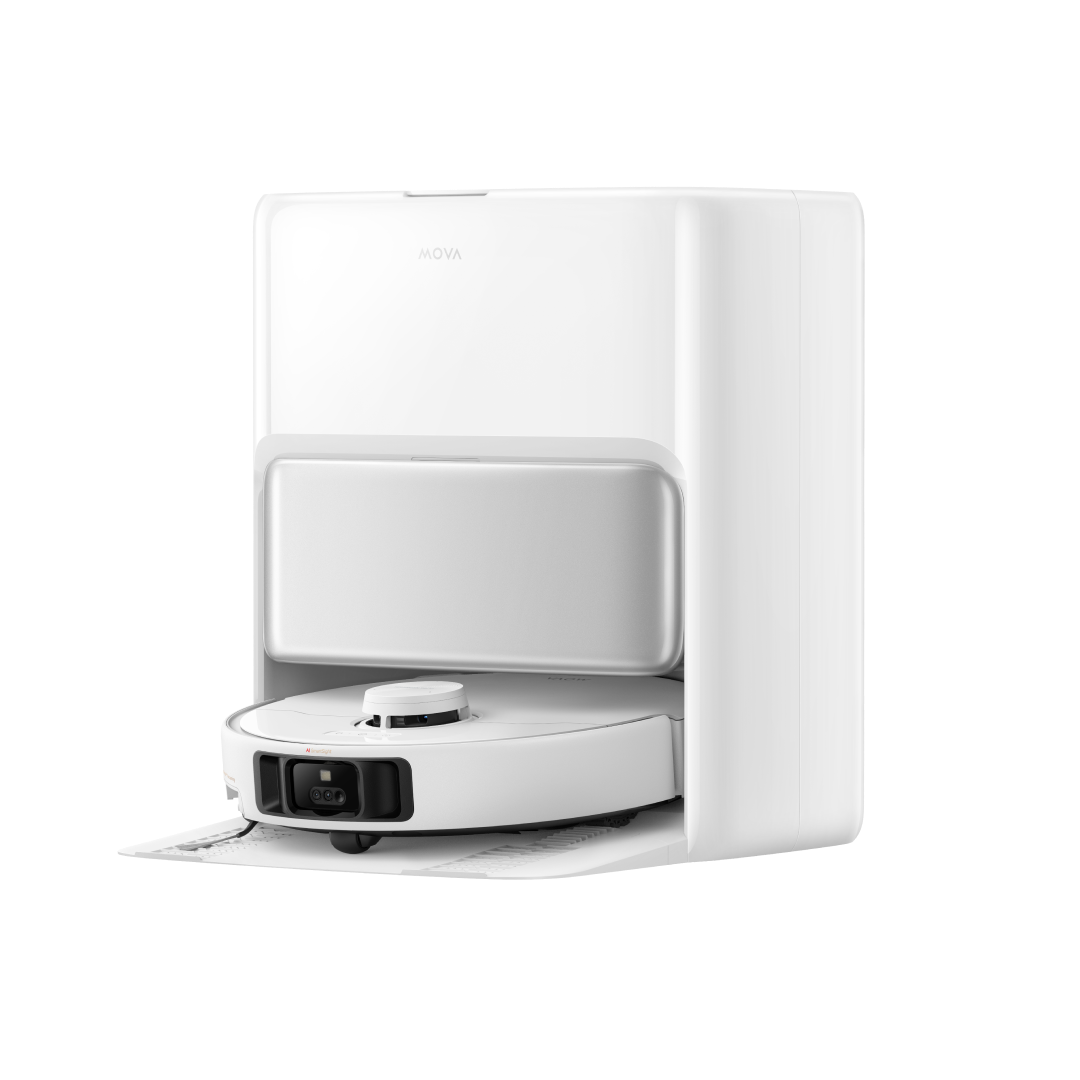
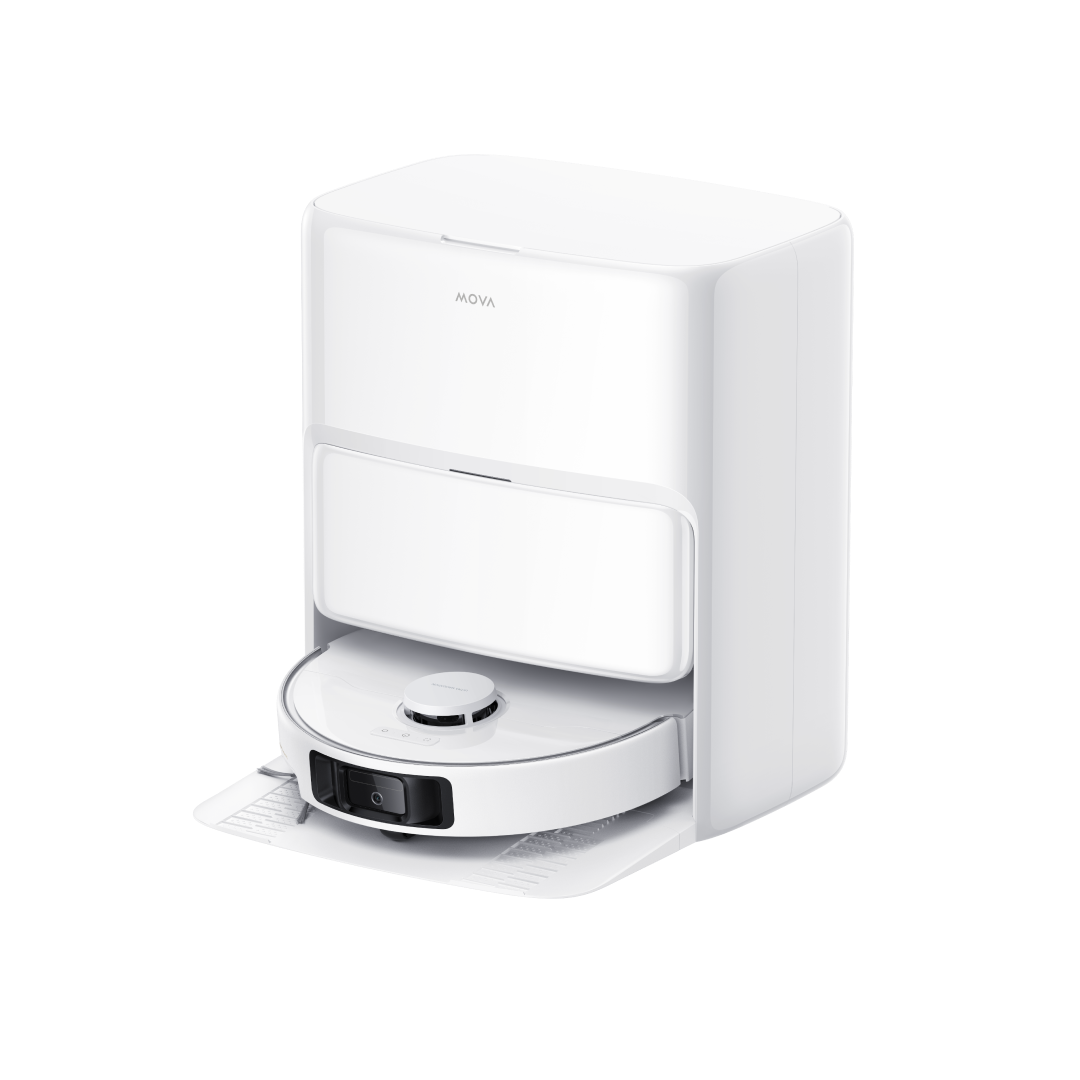
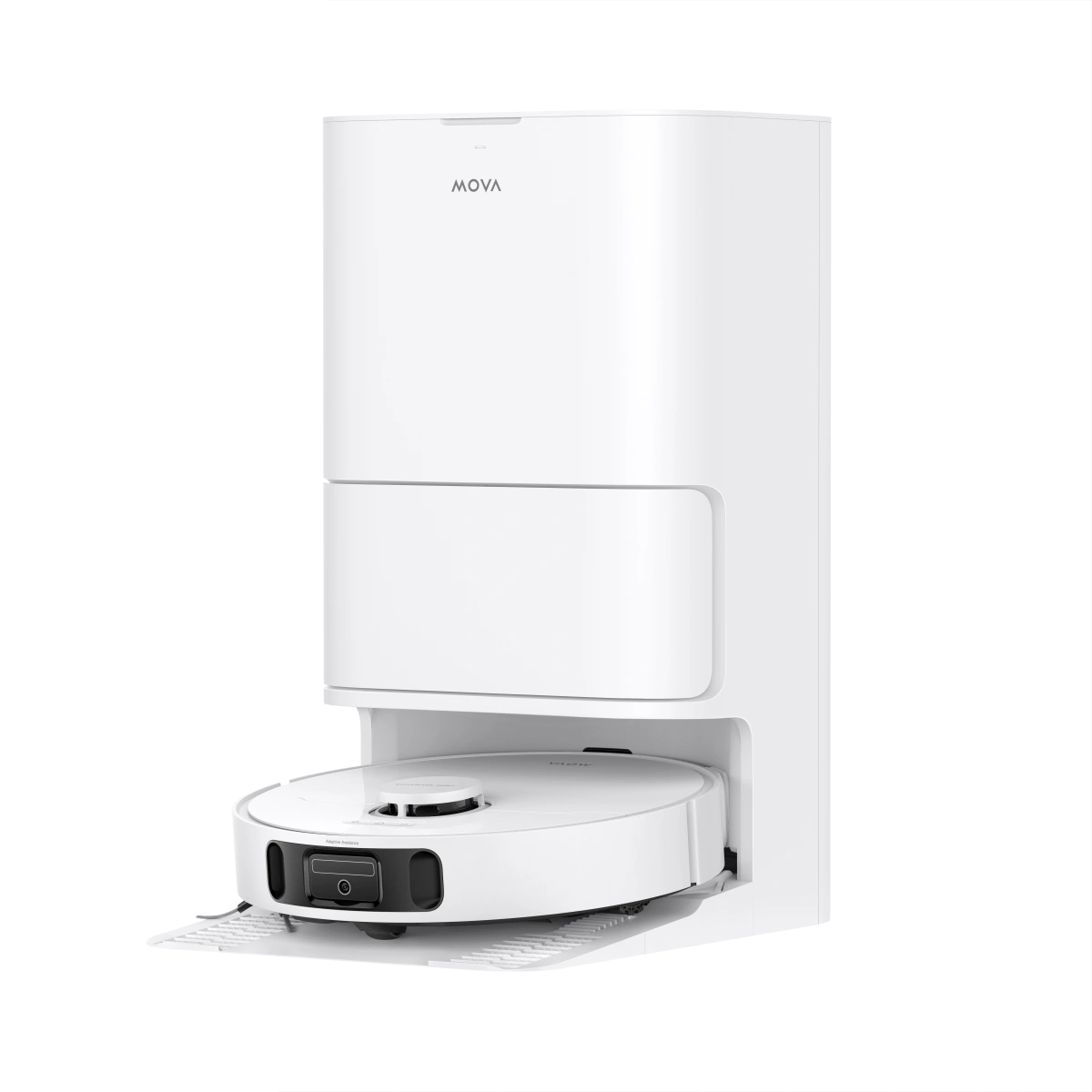
Mobius 60
The Mobius 60 strikes an impressive balance between cleaning power and floor protection, thanks in large part to its advanced mopping system. Its industry-leading 28,000Pa suction power removes fine dust and larger debris without scattering particles on your hardwood surfaces, while its specialized mop pad ensures a pristine, streak-free finish.
The Mobius 60's real strength lies in how it guides itself through complex home layouts while protecting delicate floors. Thanks to its StepMaster 2.0 system, it climbs obstacles up to 8cm high and moves smoothly between rooms without getting stuck on thresholds. The LiftPro Chassis raises the entire body, including the mopping module, when it spots carpets, which stops it from dragging moisture and scratching hardwood.
-
Features that might catch your eye:
-
Ultra-slim 96mm profile with retractable LIDAR sensor to clean under furniture
-
TurboForce motor that delivers powerful yet controlled suction
-
AquaShield technology automatically retracts the mop pad on carpets to prevent wetting
-
Dual anti-tangle brushes stop hair from wrapping around

Special hardwood optimization mode
The Mobius 60 goes beyond raw power with specialized cleaning modes for hardwood floors. Its smart system spots different floor types and adjusts suction, brush rotation speed, and mopping moisture levels to prevent damage to finishes. The dedicated "Hardwood Care" mode ensures the perfect amount of dampness for effective cleaning without risking water damage.
Specialized mop pad for hardwood floors
The Mobius 60's signature feature is its proprietary microfiber mop pad, engineered specifically for hardwood. This ultra-plush, non-abrasive pad features a unique cross-weave pattern designed to trap fine dust and micro-particles that vacuum suction alone can miss. It glides effortlessly across the surface, lifting grime without leaving streaks or excess moisture that can harm the wood's finish. Unlike standard pads, it is entirely free of harsh scrubbing elements, making it completely safe for even the most delicate sealed hardwoods.
Precision edge cleaning
The Mobius 60's MaxiReach edge-to-edge cleaning system stands out from the crowd. Its 25.6cm extended roller mop and smart side brush achieve 99.99% coverage and reach corners and baseboards better than other models. This matters a lot for hardwood floors where dust builds up along walls and in corners. The specialized mop pad is also shaped to extend to the very edge of the robot's frame, ensuring a consistent clean right up to the baseboards.
Roomba j7+
The Roomba j7+ shines with its smart features and hardwood-friendly design. Its advanced obstacle avoidance system spots and guides around potential hazards, which cuts down on collision risks that might scratch floors.
This model combines a 4-stage cleaning system with dual multi-surface rubber brushes that clean without scratching. Dirt Detect technology finds heavily soiled areas and steps up cleaning intensity. The self-emptying Clean Base lets it run on its own for up to 60 days before needing maintenance.
Roborock S7 MaxV
The Roborock S7 MaxV really shines with its mopping abilities alongside great vacuuming. Its VibraRise mopping system scrubs floors at 3,000 vibrations per minute and removes dried stains without damaging hardwood.
Our tests showed the S7 MaxV handles hardwood floors beautifully with 5,100Pa suction power, one of the highest we've seen. Its sonic vibration technology makes hardwood floors gleam without leaving streaks. Best of all, the VibraRise system lifts the mopping plate about 5mm when it finds carpets, so it can vacuum carpeted areas without getting them wet.
Eufy G30 Edge
The Eufy G30 Edge delivers great hardwood floor performance at a better price point. At just 2.85 inches tall, it fits under lower furniture where dust likes to hide.
Our tests showed the G30 Edge moves efficiently using gyroscopes and floor-tracking sensors. It creates detailed room maps and follows a logical cleaning pattern. Bare floors are no match
for this vacuum. It handles sand easily and cleans edges remarkably well. The vacuum keeps debris from scattering during operation, which really matters for hardwood floor care.
Samsung Jet Bot+
The Samsung Jet Bot+ creates precise home maps using advanced LiDAR navigation for targeted hardwood surface cleaning. Its soft brush roller works particularly well on hardwood floors and handles both fine and heavy debris even at lower power settings.
Our testing confirms this vacuum excels at cleaning surface debris from hardwood floors. The Clean Station base makes maintenance hands-free with an auto-emptying system that handles pet hair and other debris without clogging. A 5-layer filtration system keeps 99.99% of dust trapped instead of spreading it back onto your floors.
Performance Metrics Comparison
Robot vacuum performance comparisons need objective measurements in multiple categories. Our lab tests showed clear differences in how well they clean, how long they last, and how they protect different types of floors.
Chart: Dust pickup scores (0-100)
These machines clean different surfaces with varying levels of success. Our controlled tests with standard debris mixtures revealed that hardwood floor results varied the most:
Hardwood Surface Results: The Mobius 60 got an amazing 96.5% pickup rate on hardwood surfaces. This beat the Roomba j7+ at 85%. The Roborock S7 MaxV cleaned up 95% of sand from hardwood floors. The Eufy G30 Edge reached 72%.
Carpet Performance: The Roborock S7 MaxV proved its worth by picking up 90% on low-pile carpet and 86% on medium-pile. The Eufy G30 Edge had trouble with carpets and managed just 41% on low-pile surfaces.
Each model's performance dropped when dealing with embedded dirt rather than surface debris. The Mobius 60 managed to keep a 75.5% pickup rate for embedded particles in carpet. This was way above the industry average of 55%.
Chart: Scratch prevention rating
Protecting delicate hardwood needs special engineering that goes beyond cleaning power. We reviewed wheel design, brush construction, and navigation behavior to test scratch prevention:
Anti-Scratch Technologies: The Mobius 60's soft-touch bumpers and special rubber wheels earned top scratch prevention ratings. The Roomba j7+'s dual multi-surface rubber brushes cleaned well without leaving micro-abrasions.
Wheel Materials: The Samsung Jet Bot+'s anti-scratch wheel technology uses rubberized coating. This reduced marking by about 60% compared to hard plastic wheels.
Brush Design Impact: Vacuums with traditional bristle brushes scored poorly in scratch prevention. Models with soft rubber brush rolls like the Mobius 60 and Roborock S7 MaxV barely affected floor finishes.
Models with hardwood-specific modes adjust their suction and brush rotation speed to protect sensitive surfaces.
Chart: Edge cleaning effectiveness
Autonomous vacuums face unique challenges when cleaning along baseboards. Our tests revealed some interesting differences:
Edge Coverage Performance: The Mobius 60's MaxiReach system reached up to 99% coverage at inner and outer corners. This was a big deal as it means that it beat industry standards. The Roborock S7 MaxV hit 98% coverage. The Eufy G30 Edge did well despite its lower price.
Baseboard Gap Cleaning: These robots cleaned 70-90% of debris along baseboards. Results changed based on floor type, and numbers dropped when moving from hardwood to carpeted edges.
Corner Accessibility: D-shaped models like the Samsung Jet Bot+ cleaned corners better than round ones. The Mobius 60's extended side brushes made up for its circular shape by reaching 5mm closer to walls than other brands.
Table: Feature comparison matrix
|
Feature |
Mobius 60 |
Roomba j7+ |
Roborock S7 MaxV |
Eufy G30 Edge |
Samsung Jet Bot+ |
|
Suction Power |
30,000 Pa |
Not disclosed |
5,100 Pa |
2,000 Pa |
5,000 Pa |
|
Battery Life |
180 min |
100 min |
180 min |
100 min |
90 min |
|
Dustbin Capacity |
400 ml |
400 ml |
470 ml |
600 ml |
200 ml |
|
Self-Emptying |
Yes |
Yes |
Optional |
No |
Yes |
|
Mapping Technology |
LiDAR |
vSLAM |
LiDAR |
Gyroscope |
LiDAR |
|
Mopping Function |
Yes, specialized mop |
No |
Yes |
No |
No |
|
Hardwood Mode |
Yes |
No |
Yes |
No |
No |
|
Obstacle Avoidance |
Advanced |
Advanced |
Advanced |
Basic |
Advanced |
|
Edge Cleaning |
99% |
85% |
98% |
90% |
88% |
|
App Controls |
Complete |
Complete |
Complete |
Basic |
Complete |
User satisfaction depends on more than just cleaning power. To name just one example, the Mobius 60 runs at about 65 decibels, making it great for open floor plans. The Eufy G30 Edge stays quiet at 55-60 decibels. The powerful Roborock S7 MaxV reaches 67-70 decibels at max settings.
These metrics explain why the Mobius 60 is our top pick for hardwood floors. It combines excellent cleaning with advanced floor protection. Hardwood floor owners should consider a specially designed model over general-purpose options, based on scratch prevention alone.
Mova's Hardwood Optimization Features
Mova's robot vacuum stands out from other manufacturers because of its unique design elements that protect hardwood floors. The features blend together to clean delicate hardwood surfaces without losing any cleaning power.
Specialized hardwood mode with adjusted suction
Mova's hardwood optimization technology works differently from standard cleaning modes. The system automatically adjusts suction power based on the floor type and dirt level. It knows when it's cleaning hardwood surfaces and adapts while removing dirt.
The vacuum easily switches between three distinct power levels:
-
Green Mode: For light dirt, using minimal suction to gently clean delicate hardwood
-
Orange Mode: For medium dirt accumulation, balancing power with floor protection
-
Red Mode: For heavy dirt, increasing suction only when necessary
This automatic adjustment is vital for hardwood protection. It prevents too much force that could damage finishes while keeping cleaning effective. Test data shows that Mova's adaptive suction system delivers powerful yet controlled cleaning. It optimizes energy usage and protects your floors at the same time.
Soft-touch bumper protection
Collision management plays a big role in hardwood floor protection. Mova uses soft-touch bumper technology to protect both your furniture and the vacuum.
The high-quality rubber bumpers do several important things:
-
They cushion impacts when the robot hits furniture or walls
-
They reduce noise by a lot during operation
-
They prevent furniture from getting scratched or marked
Robot vacuums without proper bumpers can leave scuff marks on white walls and baseboards. This is especially noticeable in homes with hardwood flooring. Mova's soft-touch bumpers are much better at protection than models with hard plastic exteriors.
Anti-scratch wheel technology
Your floors are always in contact with the vacuum's wheels, which could cause damage if not designed properly. Mova uses advanced anti-scratch wheel technology with rubberized coating to protect delicate surfaces.
This design matters because many competing robot vacuums use hard plastic wheels. These can trap debris underneath and create tiny scratches over time. Even small bits of sand or rocks caught under wheels can scratch floors if not handled right.
The vacuums also have a self-propelled system that helps them move naturally across your home. This creates minimal friction against floor surfaces. The system prevents the dragging that happens with basic robots, which can slowly damage hardwood finishes.
These features really shine in homes with different types of flooring. The vacuum adjusts its suction power, movement patterns, and wheel pressure when moving from carpets to hardwood. This accounts for how vulnerable each surface is.
Mova takes a detailed approach to hardwood floor protection by focusing on three main areas: suction force, collision impact, and wheel contact. The result? A cleaning system that delivers strong performance while keeping your hardwood floors beautiful and intact.
Buyer's Guide: What to Look For
Shopping for a robot vacuum that works well on both hardwood floors and carpets requires attention to specific features. Our extensive testing of various models has revealed the features that matter most.
Brush roll type (rubber vs. bristle)
The brush roll design affects cleaning performance and floor protection. Rubber brush rolls work better for hardwood floors and carpets because they pick up debris without scratching delicate surfaces.
Traditional bristle-heavy brush rolls clean dirt but can damage plush carpets and leave scratches on hardwood, marble, or expensive rugs.
Your ideal brush roll should have these features:
-
A soft silicone design or no bristles to protect surfaces
-
An even diameter that reduces hair tangling
-
Anti-tangle technology or self-cleaning capabilities to minimize maintenance
Better results come from models with sealed motor housings and hygienic drying mechanisms, making them perfect for homes with different types of flooring.
Suction power control
Mixed-floor homes need variable suction power more than any other feature. You can adjust the cleaning intensity based on the surface type and dirt level. The best robot vacuums for hardwood floors and carpets must offer:
-
Gentle modes to remove daily dust from hardwood
-
Stronger suction settings to tackle pet hair and deep cleaning
-
Smart floor detection that adjusts settings automatically
Pascal (Pa) ratings are often highlighted but suction power alone doesn't guarantee great cleaning results. Most homes with mixed flooring work well with 1500-2500 Pa, which balances power, battery life, and noise levels.
Cliff sensor accuracy
Your robot vacuum needs reliable cliff sensors to avoid falls while ensuring thorough cleaning. These essential sensors use ultrasound technology to measure floor distance.
Top-quality cliff detection should:
-
Detect drops of 30mm or more
-
Work accurately on dark floors and various surfaces
-
Use forward-tilted sensors at 15 degrees to spot drops early
App controls for specific surfaces
Robot vacuums come with smart apps that offer amazing customization. The best models let you:
-
Set up no-go zones around sensitive areas
-
Fine-tune cleaning power for different rooms
-
Create custom settings for each floor type
-
Plan focused cleaning for high-traffic spots
The smartest systems use AI-powered floor detection to switch modes. They stop mopping, boost suction, or avoid problematic areas as needed.
These features help your robot vacuum clean effectively while keeping your hardwood floors beautiful for years.
Maintenance Tips for Hardwood Floors and Carpet Owners
A well-maintained robot vacuum works just as well as picking the right model to keep hardwood floors spotless. These guidelines will help extend your floor's life and your vacuum's performance.
How to prevent wheel marks
Clean wheels regularly to stop debris from building up and scratching hardwood floors. Quick checks of wheels and brushes before each cleaning session ensure no trapped particles get dragged across your floors. These particles work like sandpaper on sensitive hardwood surfaces.
Your robot's wheels might leave marks due to misalignment or weight distribution problems. Remove any large debris like stones, glass, or metal objects from floors first because they can get stuck in wheels and create scratch patterns.
Cleaning frequency recommendations
Vacuum hardwood floors weekly at minimum to prevent dirt buildup that could scratch surfaces. A quick mop after vacuuming helps pick up leftover fine particles. Homes with kids or pets need more frequent cleaning, at least once every week.
Pay special attention to:
-
High-traffic areas need cleaning every few days
-
Corners and spots under furniture collect dust faster
-
Entryways where outside dirt first comes in
Filter maintenance for fine dust
Your vacuum's dust capture depends on its filter condition. Clean the filters monthly for regular household use or weekly in busy areas. You can wash foam filters with warm water and mild soap, then let them air-dry for 24 hours before putting them back. Paper filters need replacement after one or two cleanings.
Look out for signs that show you need new filters: less suction power, visible damage, strange smells, overheating, or obvious dirt buildup.
Comparison Table
Best Robot Vacuum for Hardwood Floors and Carpets
|
Feature/Model |
Mobius 60 |
Roomba j7+ |
Roborock S7 MaxV |
Eufy G30 Edge |
Samsung Jet Bot+ |
|
Suction Power |
30,000 Pa |
Not disclosed |
5,100 Pa |
2,000 Pa |
5,000 Pa |
|
Hardwood Dust Pickup |
96.5% |
85% |
95% |
72% |
Not mentioned |
|
Edge Cleaning |
99% |
85% |
98% |
90% |
88% |
|
Battery Life |
180 min |
100 min |
180 min |
100 min |
90 min |
|
Hardwood- Specific Mode |
Yes |
No |
Yes |
No |
No |
|
Navigation System |
LiDAR |
vSLAM |
LiDAR |
Gyroscope |
LiDAR |
|
Self-Emptying |
Yes |
Yes |
Optional |
No |
Yes |
|
Mopping Function |
Yes, specialized mop |
No |
Yes |
No |
No |
|
Height Profile |
96mm |
Not mentioned |
Not mentioned |
2.85 inches |
Not mentioned |
|
Noise Level |
65 dB |
Not mentioned |
67-70 dB |
55-60 dB |
Not mentioned |
|
Special Features |
TurboForce motor, AutoShield, Dual anti-tangle brushes |
Obstacle avoidance, Dirt Detect |
VibraRise mopping, Sonic vibration |
Low profile design |
5-layer filtration |
|
Brush Type |
Soft rubber |
Dual rubber |
Rubber |
Not mentioned |
Soft brush roller |
Wrapping up: Get pristine hardwood floors and carpets with Mova
Mova's hardwood features work best when properly maintained. Most Mova models with self-emptying systems can hold debris up to 120 days and keeps suction strong while reducing maintenance. Regular filter care and wheel checks will help you maintain spotless hardwood floors without worrying about damage.
Where to Get Your MOVA Robot Vacuum on Black Friday?
MOVA’s Official Website: us.mova.tech or ca.mova.tech
Your smartest choice would be our official websites. Get your first Mova robot vacuum with a $500 discount on Black Friday, plus free shipping.
Amazon
Amazon is perfect when you need something fast and easy. Watch for lightning deals and Prime-exclusive discounts on Black Friday.
FAQs
Q1. What features should I look for in a robot vacuum for both carpet and hardwood floors? Look for a robot vacuum with adjustable suction power, a soft rubber brush roll, and specialized cleaning modes for different surfaces. Models with LiDAR navigation and obstacle avoidance are also beneficial for efficient cleaning across various floor types.
Q2. How often should I run my robot vacuum on hardwood floors? For hardwood floors, it's recommended to run your robot vacuum at least once a week. However, high-traffic areas or homes with pets may require more frequent cleaning, potentially 2-3 times per week, to prevent dirt buildup and maintain floor condition.
Q3. Can robot vacuums damage hardwood floors? While most modern robot vacuums are designed to be safe for hardwood, some models can potentially cause damage. Look for vacuums with soft rubber wheels, adjustable suction, and specialized hardwood modes to minimize the risk of scratching or scuffing your floors.
Q4. How do I maintain my robot vacuum for optimal performance on hardwood? Regularly clean the wheels and brushes to prevent debris buildup that could scratch floors. Clean or replace filters monthly, and empty the dustbin after each use. Also, inspect the vacuum periodically for any worn parts that may need replacement.
Q5. What's the advantage of a self-emptying robot vacuum for hardwood floors? Self-emptying robot vacuums can store debris for extended periods, reducing the frequency of manual maintenance. This feature helps maintain consistent suction power, ensuring thorough cleaning of hardwood floors without the need for frequent intervention.