















Most people look at suction power first when choosing a vacuum, but what actually counts as “good” suction?
The answer depends on your floor type, cleaning habits, and home setup. A robot vacuum for daily dust doesn’t need the same power as one handling pet hair or carpets.
In this guide, we’ll explain:
-
What suction power really means (Pa, AW, airflow)
-
The ideal suction ranges for different homes
-
How to choose the right level without overpaying
For most homes, 4,000-8,000 Pa is a solid baseline, while 8,000+ Pa is better for carpets and pets.
Suction Power Guide by Use Case
|
Cleaning Scenario |
Recommended Suction |
|
Hard floors & light dust |
2,000-4,000 Pa |
|
Mixed floors (tiles + rugs) |
4,000-8,000 Pa |
|
Carpets & heavier debris |
8,000-10,000+ Pa |
|
Pet hair & deep cleaning |
2,500-3,000+ Pa minimum |
|
High-end robot vacuums |
10,000-24,000+ Pa |
Based on industry benchmarks and real-world usage
What Does Suction Power Mean in a Vacuum Cleaner?
Suction power in a vacuum cleaner refers to the machine’s ability to create negative pressure and pull in air, along with dust, dirt, and debris. This pressure is typically measured in Pascals (Pa), especially in robotic vacuums, while other types may use Air Watts (AW), CFM (Cubic Feet per Minute), or KiloPascals (kPa) to describe performance.
It’s important to distinguish between suction power and motor power. Motor power, measured in watts, tells you how much energy the machine uses, not how well it cleans.
This distinction is widely recognized in the industry. According to Consumer Reports, wattage alone doesn’t determine cleaning performance, factors like airflow, brush design, and sealed suction systems play a much bigger role in how a vacuum removes dirt effectively.
A vacuum with high motor wattage may still have poor suction if the design is inefficient. Suction power, on the other hand, directly relates to how effectively the vacuum removes debris.
Key Metrics to Understand:
- Air Watts (AW): The most accurate measure of actual suction performance, calculated based on both airflow and suction force.
- Pascals (Pa): Commonly used in robot vacuums; for example, a vacuum with 2000Pa suction is generally suitable for hard floors, while 5000Pa is ideal for thick carpets and deep cleaning.
- CFM (Cubic Feet per Minute): Measures the volume of air the vacuum can move, which contributes to how well it can clean up larger debris and dust.
- kPa (Kilopascals): Another unit used for high-performance vacuums; 20 kPa or more typically signals strong suction.
What Is Considered a Good Suction Power?
When determining how much suction power you need, it's best to match it with your flooring type and cleaning habits. Here’s a general guide to help you decide:
- Low Suction (1000–2000Pa): This range is ideal for smooth hard floors like tile, vinyl, or hardwood. It handles light debris and daily dust without wasting energy.
- Medium Suction (2000–3000Pa): A great all-rounder for homes with both hard floors and low- to medium-pile carpets. It also performs well on pet hair and scattered crumbs.
- High Suction (3000–5000Pa+): If your home has thick carpets, area rugs, or you often deal with stubborn dirt and pet dander, you’ll benefit from a vacuum with higher suction. These models are also useful for deep cleaning sessions.
For deeper surfaces like rugs and carpets, higher suction becomes more important, which is why guides on robot vacuums for carpets usually recommend stronger power levels for better debris removal.
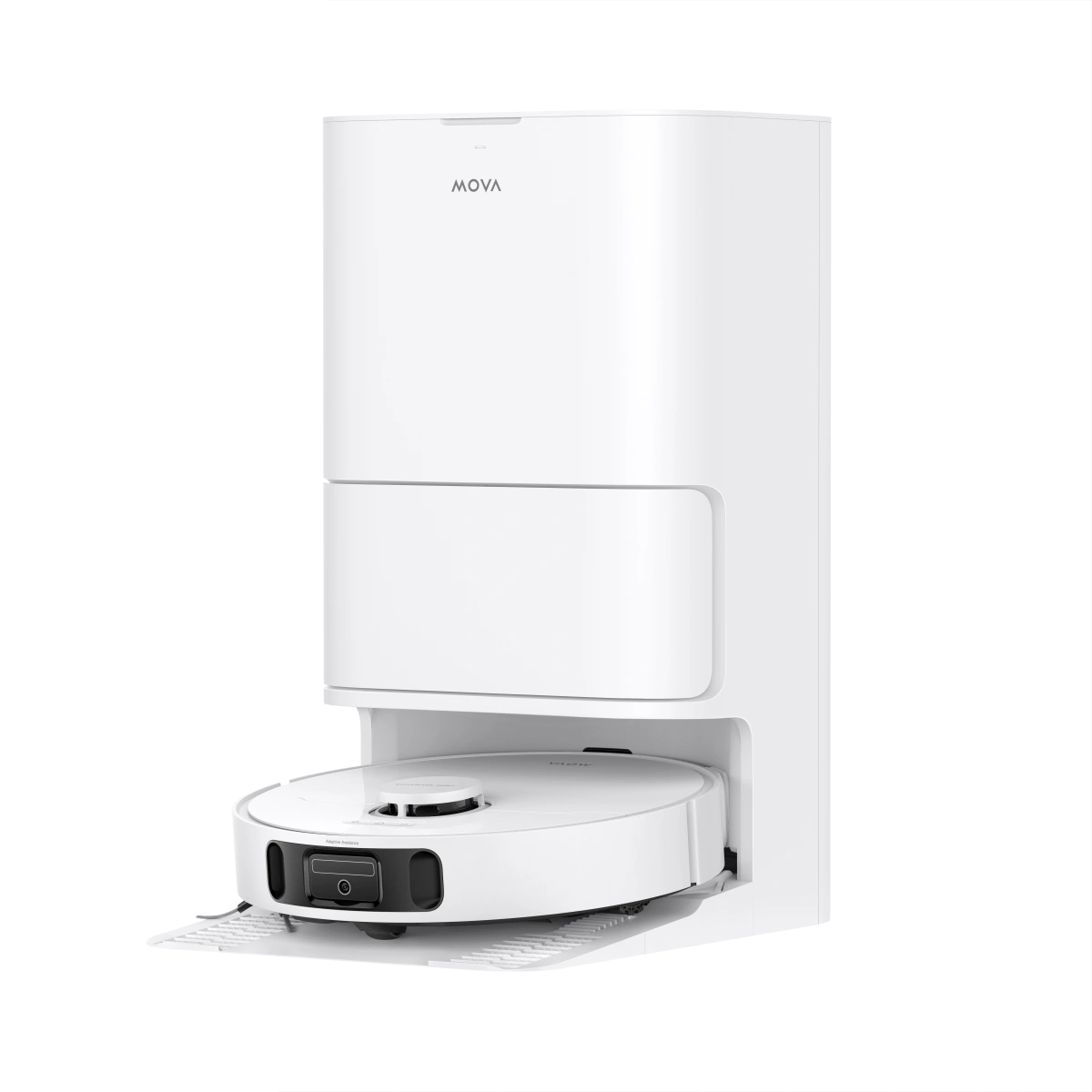
That said, higher suction power doesn’t automatically guarantee better performance. Efficient airflow design, advanced filtration, and brush technology all play a role in how well a vacuum works. A balanced vacuum like the MOVA P50 Pro Ultra, which delivers 19,000Pa suction with intelligent carpet boost offers a smarter approach to cleaning by adjusting suction levels as needed without wasting battery or energy.
Factors to Consider When Choosing Suction Power
Choosing suction power isn’t just about going higher, it’s about matching performance to your home.
1. Floor Type (Hardwood vs Carpet vs Mixed)
Not all floors need the same level of suction. In fact, using too much power on the wrong surface can make cleaning less effective.
What Works Best
-
Hard floors (tile, hardwood, laminate)
-
Recommended: 1000-2000Pa
-
Light suction is enough to pick up dust, crumbs, and debris
-
Too much power can scatter particles instead of collecting them
-
Low- to medium-pile carpets
-
Recommended: 2000-3000Pa
-
Helps lift dirt trapped in fibers
-
Works well for everyday cleaning and moderate foot traffic
-
Thick carpets and rugs
-
Recommended: 3000Pa+
-
Stronger suction is needed to pull out embedded dirt and dust
-
Especially useful for deep cleaning sessions
-
Mixed flooring homes
-
Best option: adjustable or auto-sensing suction
-
Automatically increases power on carpets and lowers it on hard floors
-
Saves energy while maintaining consistent cleaning performance
Takeaway: Matching suction to your floor type improves efficiency and prevents unnecessary energy use.
2. Pets & Allergies (Hair, Dander, Dust Mites)
Homes with pets or allergy concerns need more than just basic suction.
Pet hair tends to cling to surfaces, while fine particles like dander and dust mites settle deep into carpets and upholstery.
Pros of Higher Suction
-
Removes embedded pet hair from carpets, rugs, and corners
-
Captures fine allergens like dust mites and dander
-
Improves overall air cleanliness when paired with good filtration
What Actually Matters (Beyond Suction)
-
Anti-tangle brush design
-
Edge-cleaning capability
-
HEPA or sealed filtration system
Takeaway: Strong suction helps, but design features are just as important for pet-friendly homes.
3. Battery Life vs Suction Power (Robot Vacuums)
There’s always a trade-off between cleaning power and runtime.
The higher the suction, the more energy the vacuum uses, which directly impacts how long it can run on a single charge.
What to Expect
-
High suction (2500Pa and above)
-
Better for deep cleaning and carpets
-
Drains battery faster
-
May reduce total cleaning coverage per cycle
-
Moderate suction (1500–2500Pa)
-
Balanced performance for daily cleaning
-
Longer runtime
-
Ideal for maintenance cleaning
-
Adaptive suction modes
-
Automatically adjust power based on surface or dirt level
-
Helps optimize both battery life and cleaning efficiency
Takeaway: For most homes, a vacuum with adjustable suction modes offers the best balance.
4. Noise Levels (Power vs Comfort)
Suction power and noise usually go hand in hand, but modern designs are getting better at managing both.
Typical Noise Levels
-
50–60 dB → Quiet operation (similar to a conversation)
-
60–70 dB → Noticeable but manageable
-
70–80 dB → Loud, similar to traditional vacuums
Pros of Lower Noise Models
-
Can run during calls, work, or TV time
-
Suitable for apartments or shared spaces
-
Ideal for night cleaning or homes with babies
What to Look For
-
Quiet or “eco” mode
-
Smooth motor tuning (less high-pitch noise)
-
Vibration dampening design
Takeaway: The best vacuums balance power and sound, not just maximize suction.
5. Efficiency vs Raw Power (Often Overlooked)
One of the biggest misconceptions is that higher suction always equals better cleaning.
In reality, efficiency matters just as much.
What Impacts Real Cleaning Performance
-
Airflow design – Moves debris efficiently into the bin
-
Brush system – Lifts dirt from surfaces
-
Seal quality – Prevents suction loss
-
Filtration system – Keeps particles contained
Why This Matters
-
A vacuum with moderate suction + good design can outperform
a high-powered vacuum with poor airflow
Takeaway: Look for a balanced system, not just the highest Pa number.
What is the Most Powerful Vacuum Cleaner?
When it comes to deep cleaning, suction power is a critical factor but it shouldn't be the only one. If you're looking for serious cleaning performance, you need a robot vacuum that combines raw suction strength with smart features to tackle dirt, pet hair, and stubborn debris.
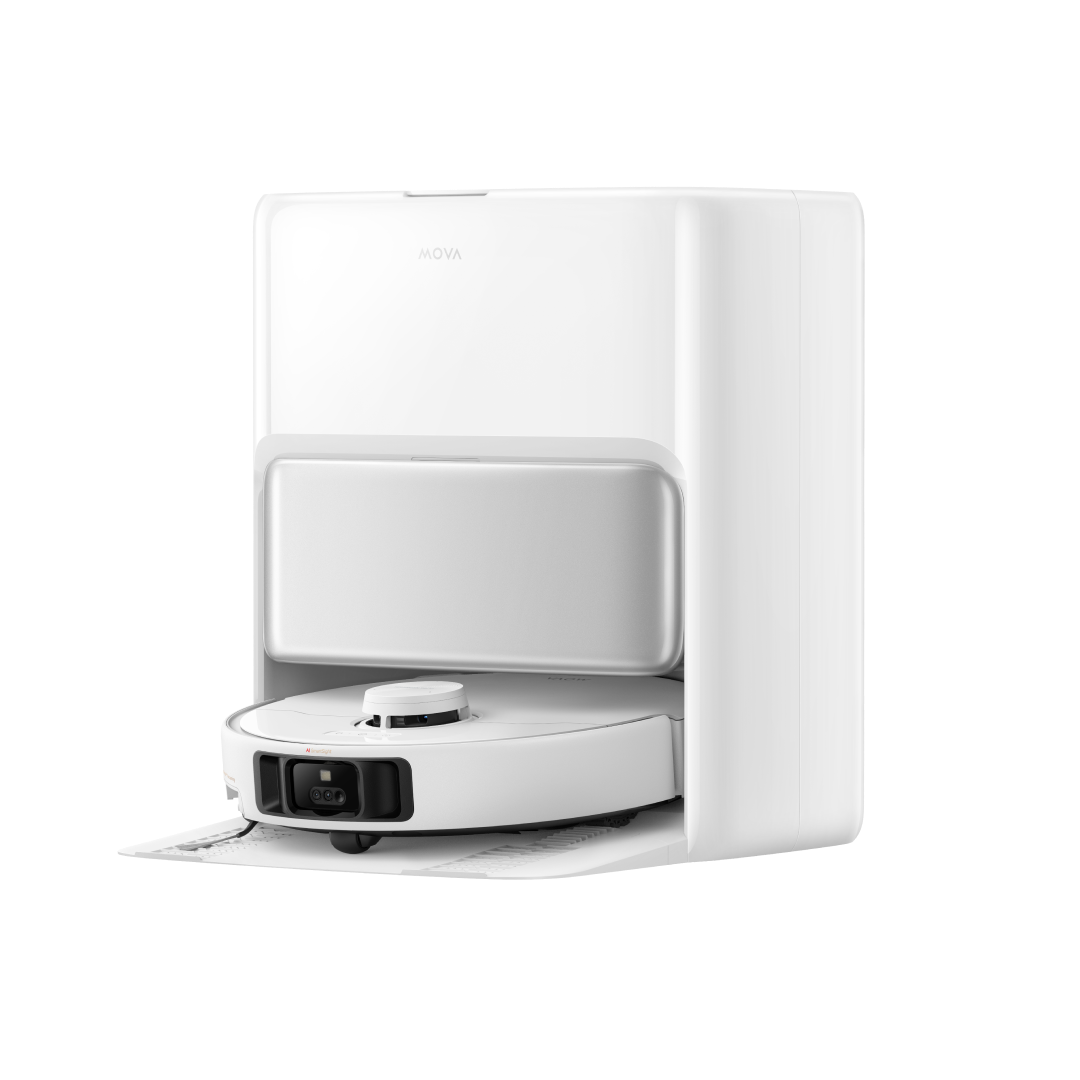
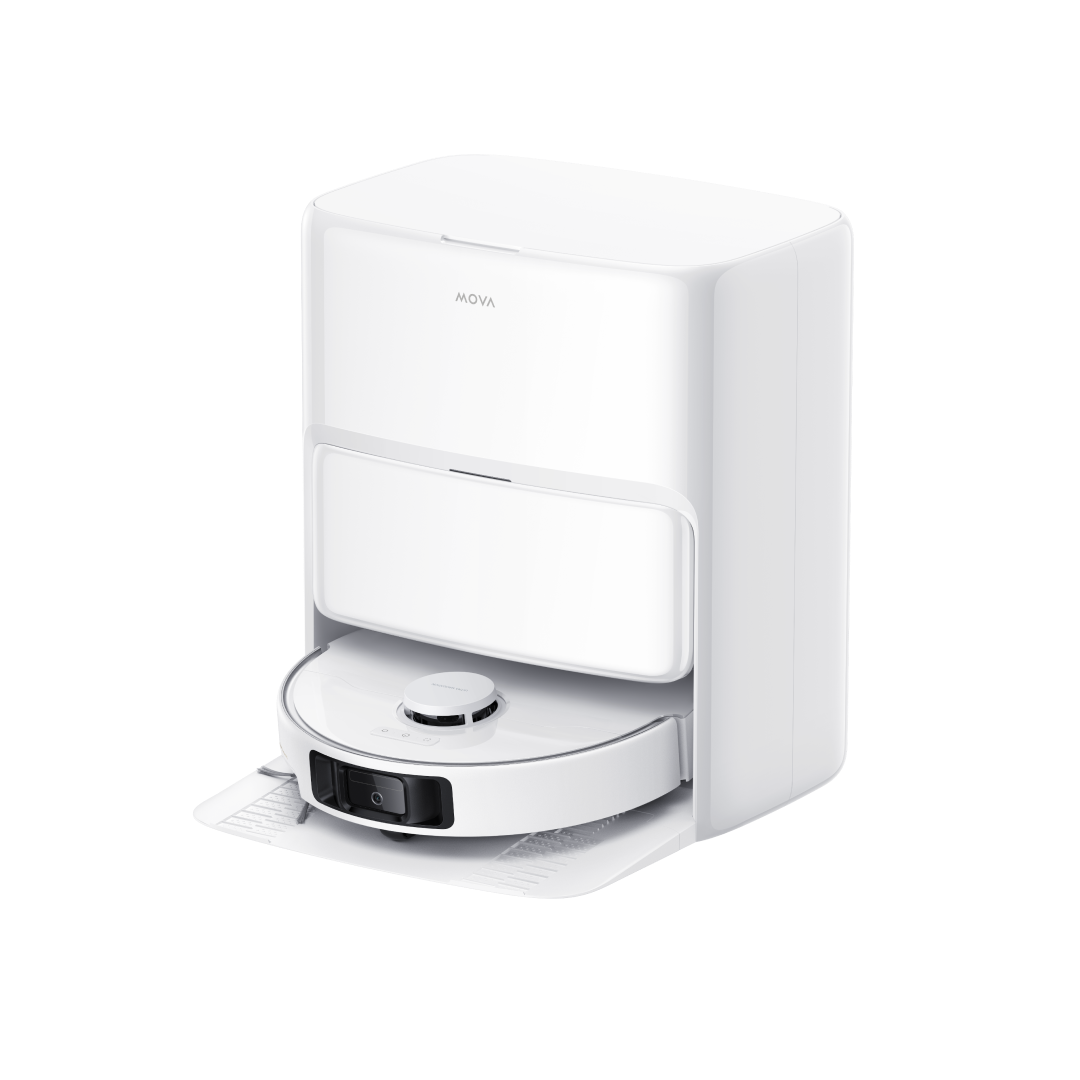
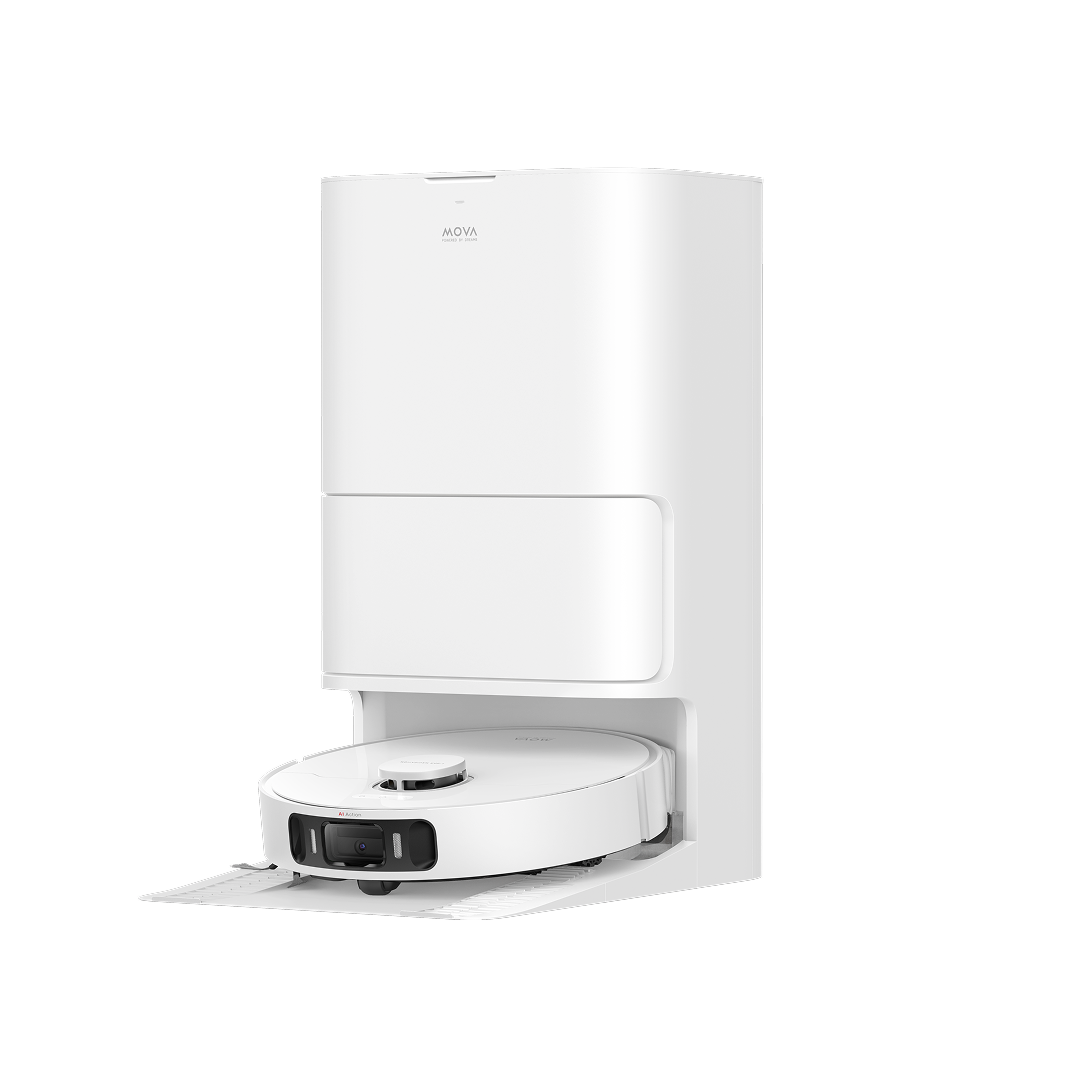
Here are three of the most powerful robot vacuums from MOVA, designed for different cleaning needs:
MOVA P50 Pro Ultra: High suction (19000Pa), ideal for deep cleaning
For homes that demand maximum cleaning power, the MOVA P50 Pro Ultra stands out with 19,000Pa of suction power. This level of force ensures deep debris extraction, whether you’re dealing with thick carpets, heavy dirt buildup, or persistent pet hair.
Key Features:
- 19,000Pa Suction Power: Deep cleans carpets and hard floors effortlessly.
- Edge-to-Edge Cleaning: No missed spots along walls and corners.
- Dirt Detection & Obstacle Avoidance: Smart sensors target dirty areas.
- Mop Removal for Carpet Care: Automatically lifts mop pads on carpets.
- Auto Dock Maintenance: Self-emptying and self-cleaning for hassle-free upkeep.
- Flexible Cleaning Strategy: Adjusts suction based on floor type.
MOVA P10 Pro Ultra: Strong suction (13000Pa), great for pet hair
With 13,000Pa of suction, the MOVA P10 Pro Ultra is specifically designed to manage pet fur and dander efficiently. Whether it’s your cat’s shedding season or your dog just rolled in from outside, this vacuum is equipped to handle it.
Key Features:
- FlexReach™ Edge Cleaning: Extends to sweep debris from corners.
- 13,000Pa Suction Power: Strong enough for pet hair and allergens.
- Intelligent Dirt Detection: Focuses extra cleaning where it’s needed.
- Auto Robot Vacuum Care: Self-emptying bin and auto-charging.
MOVA P10 Ultra: Balanced suction (8300Pa), efficient for daily cleaning
For daily maintenance and multi-surface cleaning, the MOVA P10 Ultra is your go-to option. With 8,300Pa of suction power, it delivers efficient cleaning without draining battery life too quickly. Its Extendable Mop covers a wider area with each pass, while Mop Rewashing & Floor Remopping ensures your hard floors are not just swept, but properly washed.
Key Features:
- Extendable Mop: Covers more ground with each pass.
- 8,300Pa Vacuuming Power: Ideal for hard floors and low-pile rugs.
- Mop Rewashing & Floor Remopping: Ensures no streaks or missed spots.
- Auto Robot Vacuum Care: Hands-free emptying and charging.
Final Thoughts: Is Higher Suction Always Better?
Not always. More power doesn’t automatically mean better cleaning.
What Matters More Than Raw Power
-
Airflow design – Moves debris into the bin efficiently
-
Brush system – Lifts dirt from carpets and edges
-
Filtration – Prevents dust from escaping back into the air
-
Surface type – Hard floors don’t need extreme suction
A well-designed vacuum with moderate suction often outperforms a high-powered one with poor airflow.
FAQs
1. Is higher suction always better?
Not necessarily. While high suction power helps with deep cleaning, especially on carpets and rugs, it’s not the only factor that determines vacuum performance.
You also need to consider:
-
Airflow design
-
Filtration systems
-
Brush roll efficiency
-
Surface type
For example, hard floors don’t require extreme suction, and overly powerful vacuums without proper filtration can stir up more dust than they collect.
2. What suction power is good for pet hair?
For homes with pets, look for vacuums with at least 2,500–3,000Pa suction power.
Pet hair tends to cling to carpets, upholstery, and corners, so a model like the MOVA P10 Pro Ultra (13,000Pa) offers strong performance.
For better results, look for:
-
Edge-cleaning brushes
-
Anti-tangle rollers
-
Dirt detection features
These help target fur buildup more effectively than suction alone.
3. Can suction power decrease over time?
Yes. Suction power can weaken if your vacuum isn’t properly maintained.
Common causes:
-
Clogged filters
-
Full dust bins
-
Tangled brush rolls
-
Blocked airflow paths
How to maintain performance:
-
Empty the bin regularly
-
Clean or replace filters
-
Remove debris from brushes
Regular upkeep helps maintain consistent suction over time.
4. Why is my vacuum suction weak?
Weak suction is usually caused by simple issues that can be fixed quickly.
Check for:
-
Blockages in the hose or air path
-
Dirty or clogged filters
-
A full dustbin
-
Worn or tangled brush rolls
Cleaning or replacing these components often restores suction immediately.
5. How do I know if my vacuum has strong suction?
A vacuum with strong suction will:
-
Pick up debris in a single pass
-
Remove dirt from carpet fibers easily
-
Maintain consistent performance across surfaces
You may also notice a firm pull when using hose attachments.
Specs to check:
-
High Pa rating (robot vacuums)
-
Air Watts (AW)
-
Airflow (CFM)
6. What is considered good suction power for a vacuum cleaner?
For most homes, a vacuum with 4,000–8,000Pa provides strong everyday cleaning.
General guideline:
-
1,000–2,000Pa → Hard floors
-
2,000–3,000Pa → Mixed surfaces
-
3,000–5,000Pa+ → Carpets and deeper cleaning
Choosing the right range depends on your floor type and cleaning needs.
7. What suction power is best for carpets?
Carpets trap dirt deeper than hard floors, so they require more suction.
-
Low-pile carpets: 2,000–3,000Pa
-
Medium-pile carpets: 3,000–5,000Pa
-
Thick carpets: 5,000Pa+
Higher suction helps remove embedded dust, debris, and allergens more effectively.
8. What suction power is best for hardwood floors?
Hard floors don’t need high suction.
-
Recommended range: 1,000–2,000Pa
Too much suction can:
-
Scatter debris
-
Reduce cleaning efficiency
Moderate suction with good airflow works best.