



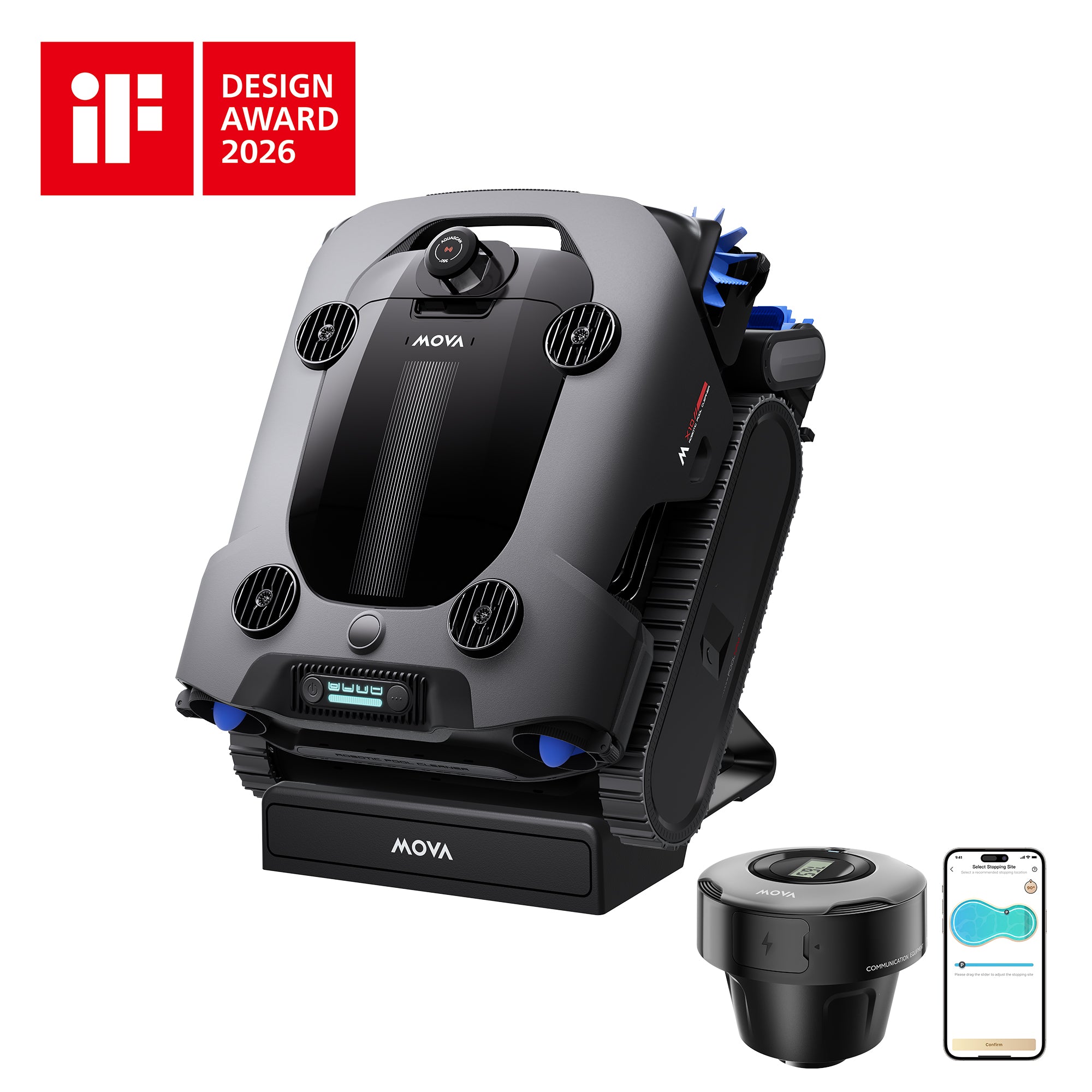













A compact apartment doesn’t need the same vacuum as a busy family home, and choosing the wrong type can make cleaning harder than it needs to be.
Today’s vacuums are built for different lifestyles. Some focus on hands-free daily cleaning. Meanwhile, others are designed for deep cleaning, quick touch-ups, or heavy-duty messes.
In this guide, we’ll discuss the most common vacuum types, their pros and cons, and how to choose the right one for your home.
Common Vacuum Types & Their Pros and Cons
From classic uprights to high-tech robots, each vacuum type serves a unique purpose. Here's a quick comparison:
|
Vacuum Type |
Best For |
Pros |
Cons |
|
Robot |
Daily, hands-free cleaning |
Automated, space-saving |
May miss corners, costly |
|
Cordless Stick |
Quick clean-ups, tight spaces |
Lightweight, portable |
Shorter battery life |
|
Wet & Dry |
Garage, basement, heavy-duty use |
Handles liquids & solids |
Bulky, often loud |
|
Upright |
Carpeted rooms |
Wide cleaning path, powerful |
Heavy, harder to store |
|
Canister |
Stairs, furniture, mixed floors |
Versatile, strong suction |
Takes up more space |
|
Handheld |
Cars, countertops, pet messes |
Compact, easy to store |
Limited capacity & suction |
|
Central |
Large homes, allergy control |
Powerful, quiet, minimal dust |
Expensive installation |
Key Takeaways
-
Robot vacuums → Best for maintenance, not heavy-duty cleaning
-
Cordless sticks → Great for convenience but need frequent charging
-
Wet & dry vacuums → Ideal for tough messes, not everyday use
Many households find that combining two vacuum types leads to better results, using a robot vacuum for daily maintenance and a second vacuum for deeper cleaning when needed.
Robot Vacuums: Effortless Cleaning for Modern Homes
Robot vacuums have become a go-to solution for homeowners looking for daily maintenance with minimal effort. These intelligent machines use a combination of sensors, mapping technology, and app-based controls to navigate your home and clean floors with surprising efficiency. Most models can detect obstacles, avoid stairs, and return to their docking stations automatically after a cleaning cycle.
Pros
-
Hands-free cleaning with scheduling and app control
-
Great for daily maintenance on hard floors and low-pile carpets
-
Smart navigation avoids obstacles and stairs
-
Ideal for busy homes and pet owners
One of the biggest advantages of robot vacuums is consistency. Users tend to run them more frequently than traditional vacuums because they require less effort. This results in cleaner floors over time, even with moderate suction levels.
Cons
-
Lower suction than full-size vacuums
-
May miss corners or edges
-
Struggles with thick carpets and stairs
-
Requires regular brush and sensor maintenance
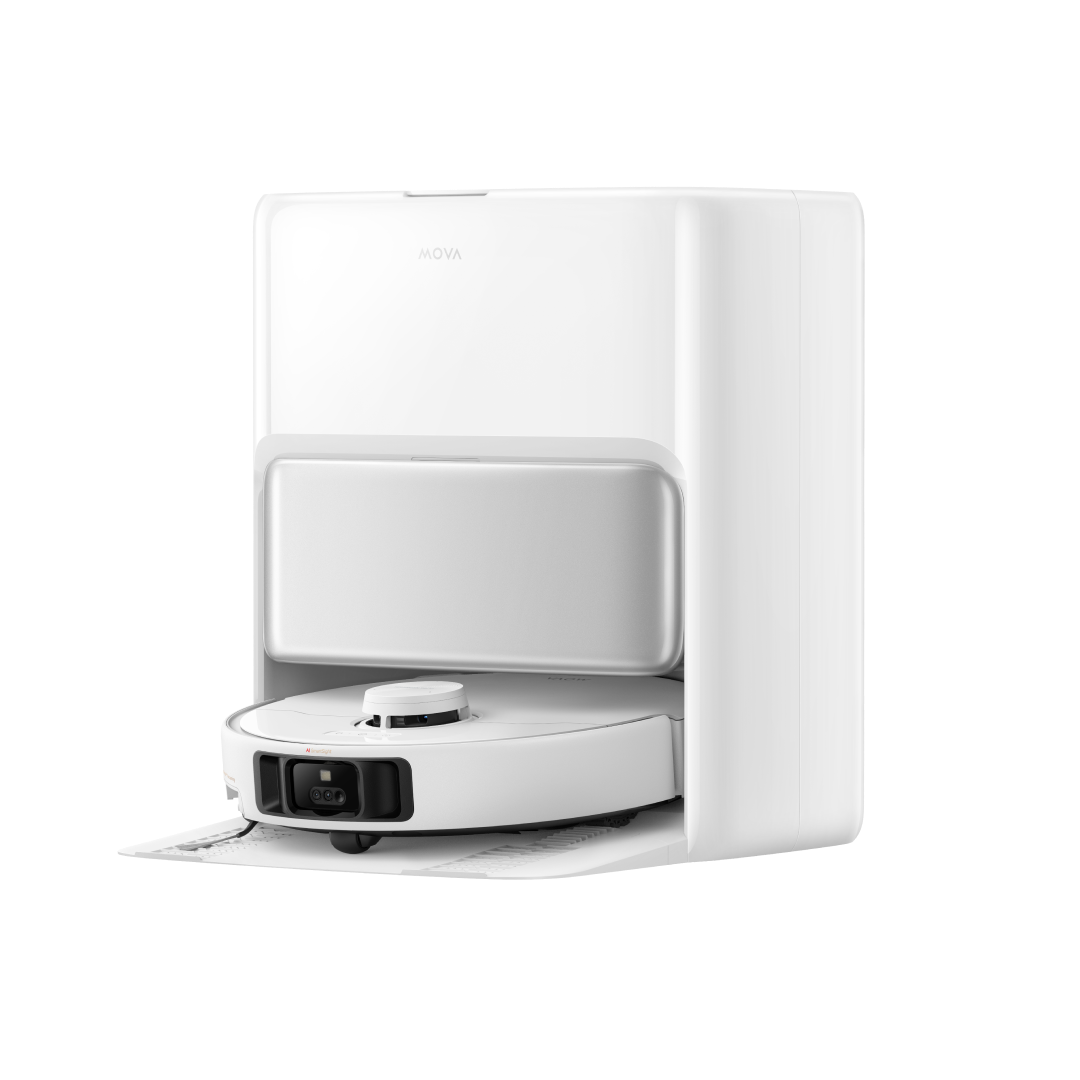
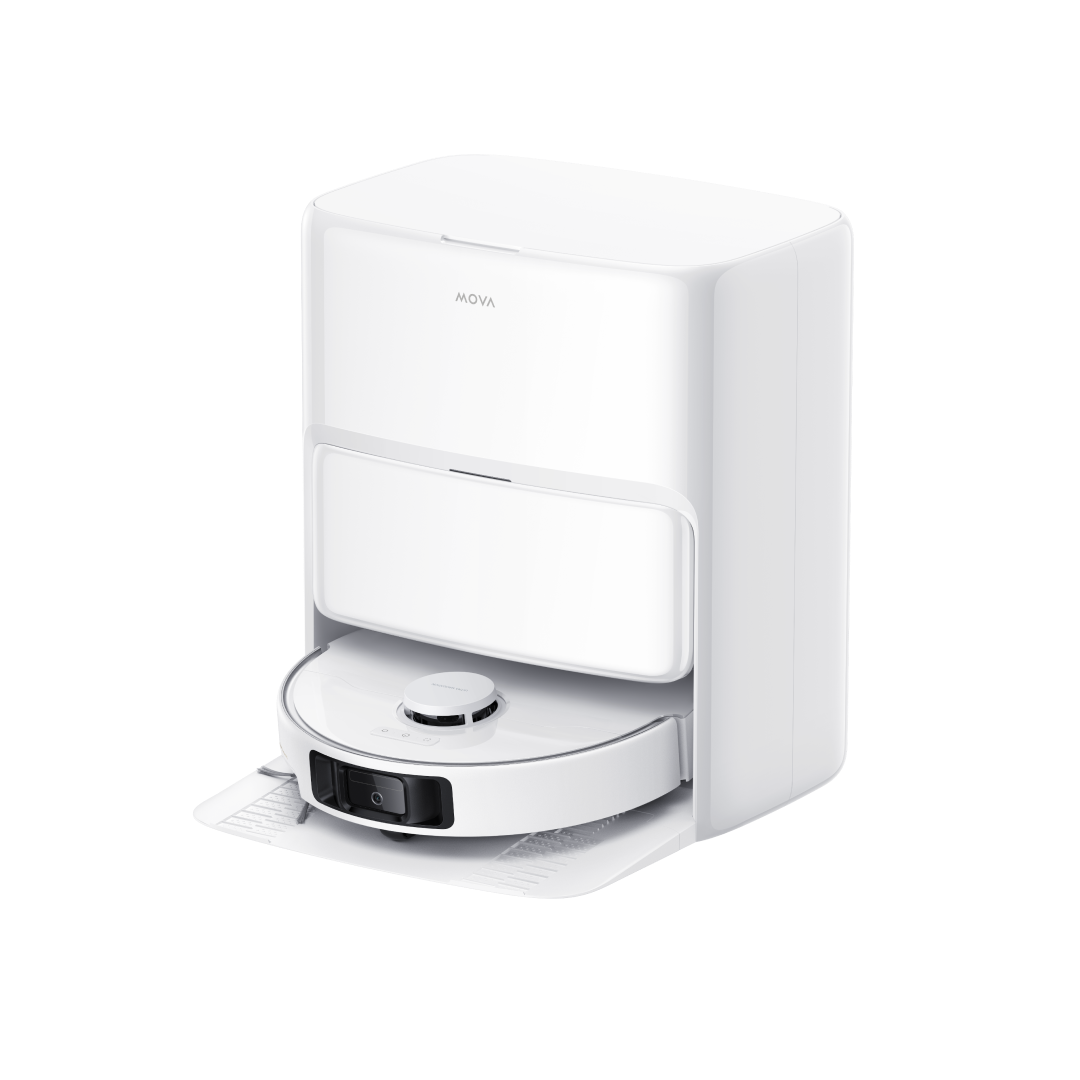
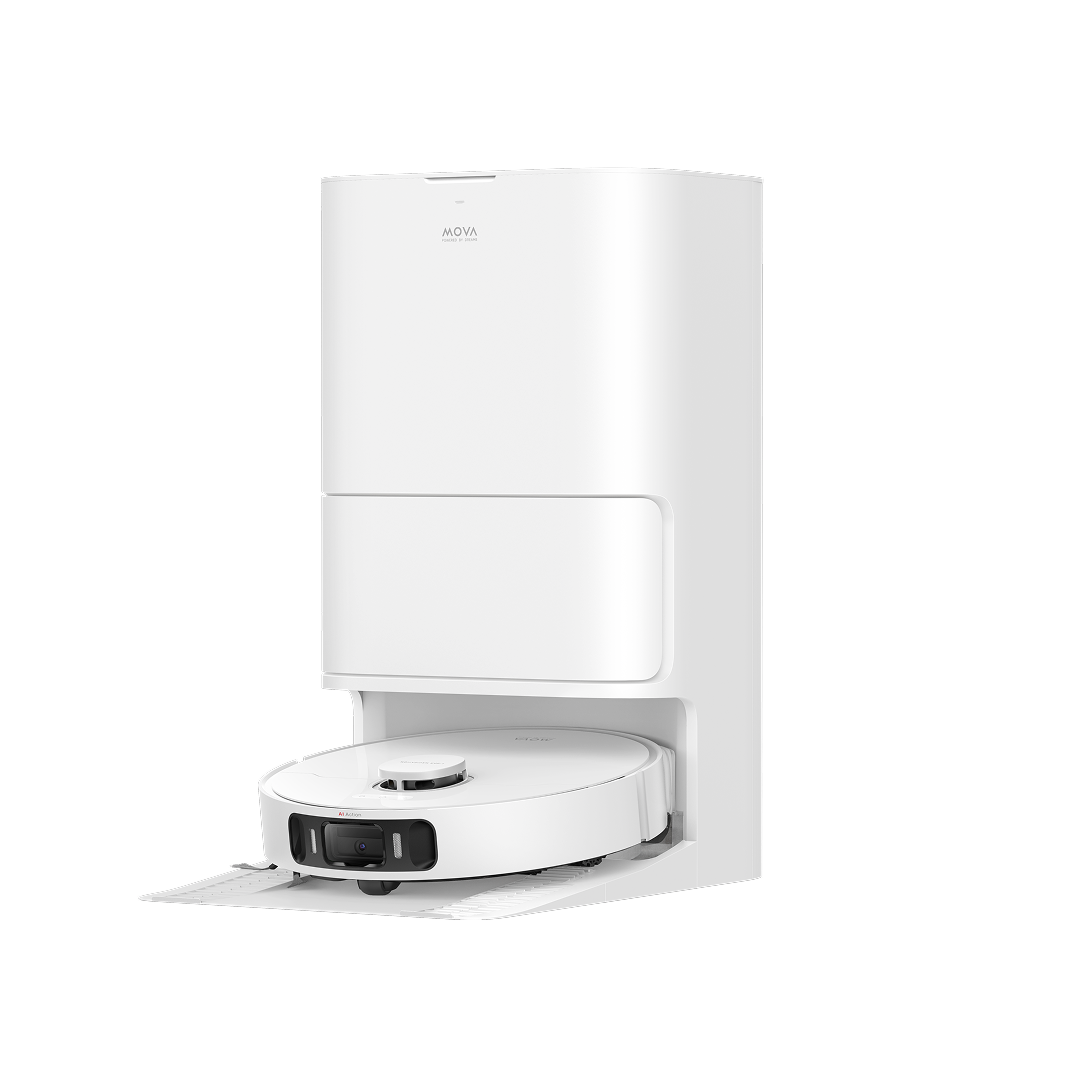
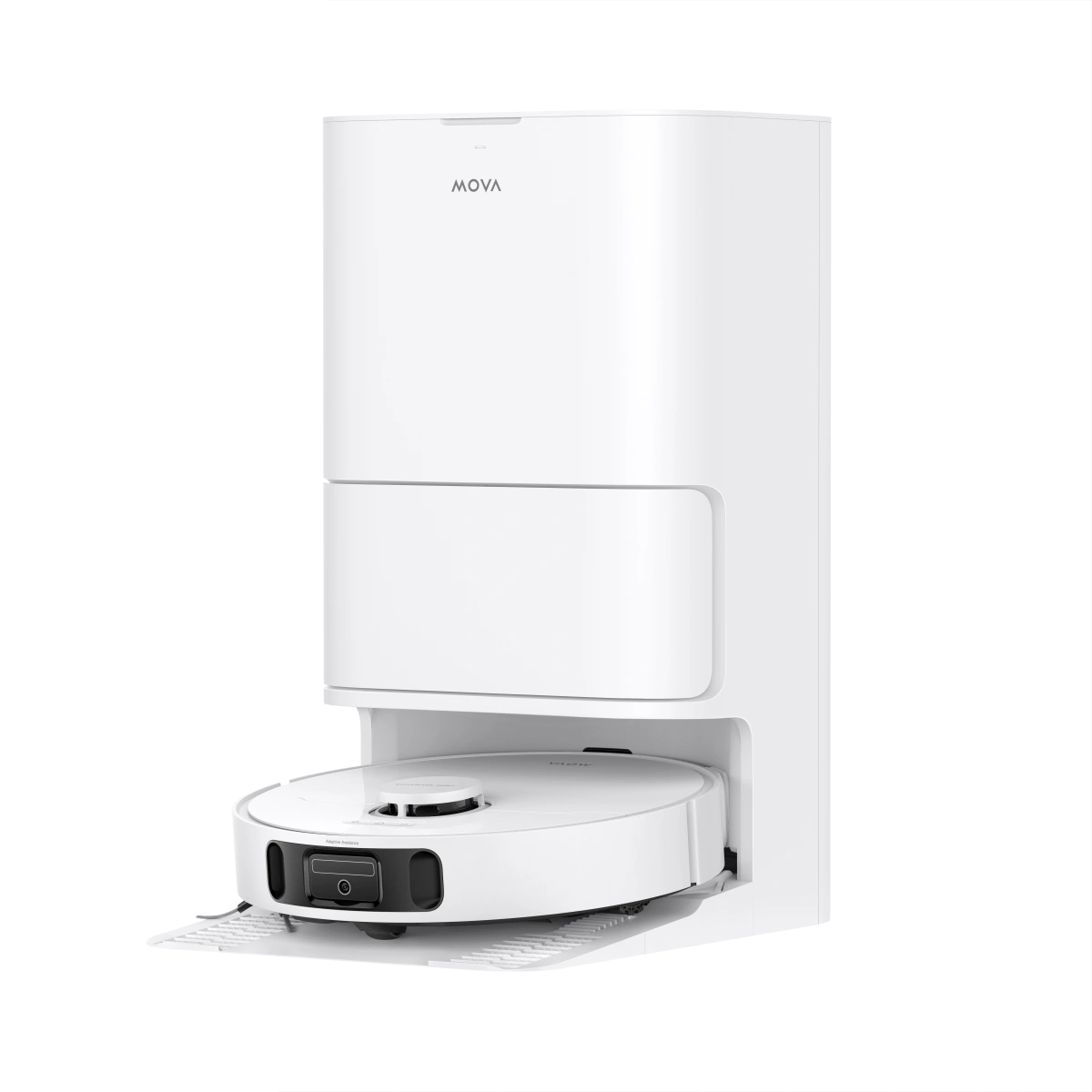
MOVA solution: Engineered for efficiency and smart control, the MOVA V50 Ultra offers powerful suction, advanced mapping, and real-time app scheduling, ideal for day-to-day upkeep of hardwood, tile, and low-pile carpeted spaces.
Real-world testing shows that cleaning performance isn’t just about raw suction. According to The New York Times Wirecutter, the best vacuums combine suction with airflow design and brush efficiency to pick up more debris in everyday conditions, not just on paper specs.
Cordless Stick Vacuums: Lightweight & Versatile
Cordless stick vacuums are designed for speed, simplicity, and portability. These lightweight units are easy to maneuver and work well for spot cleaning, stairs, and above-floor surfaces like curtains or shelves. With no cord to tether you, you can clean multiple rooms quickly and store the vacuum away with minimal space.
Pros
-
Lightweight and easy to maneuver
-
Works well for stairs, furniture, and quick cleanups
-
Cord-free design allows fast, flexible cleaning
-
Compact and easy to store
Cons
-
Limited battery life, especially on high power
-
Smaller dustbin → frequent emptying
-
Less effective for deep cleaning sessions
-
Lower suction compared to corded models
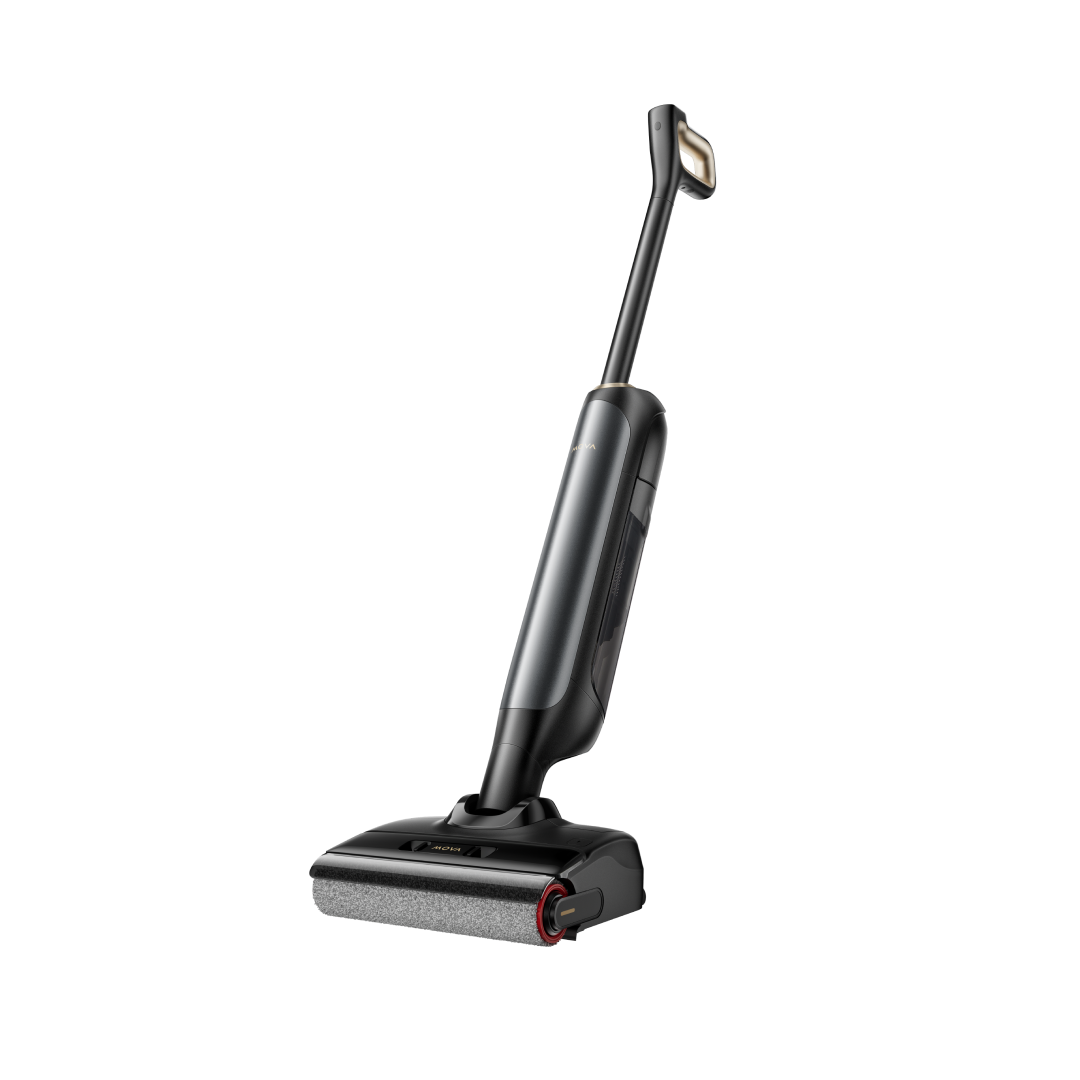
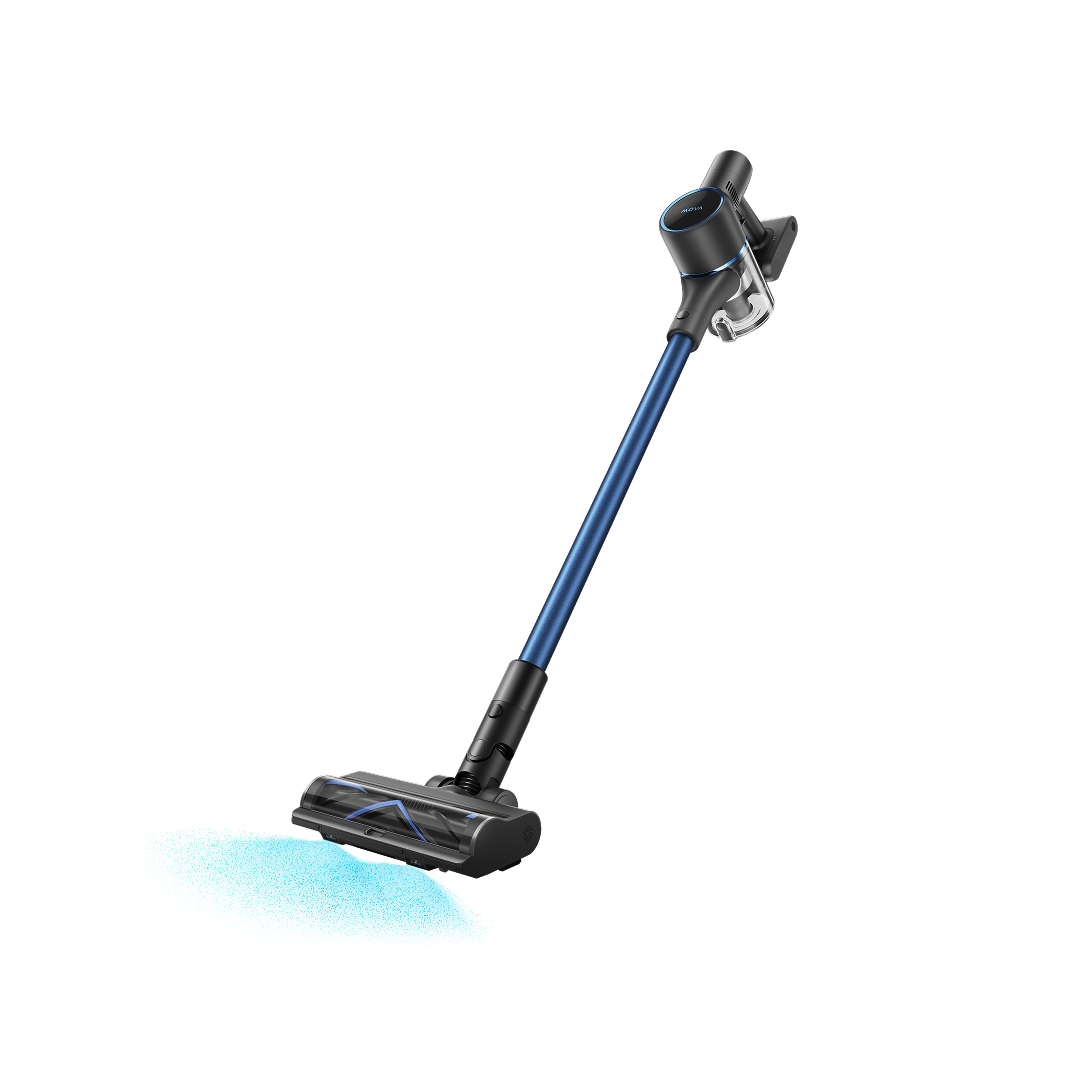
MOVA solution: Combining convenience with power, the MOVA S4 Detect features smart surface detection, a sleek design, and dependable suction, ideal for homes with mixed flooring and families on the go.
Wet & Dry Vacuum: Powerhouse for Tough Messes
Wet & dry vacuums go beyond everyday dirt and dust, they're built to handle liquid spills, damp debris, and even fine particles like sawdust. Available in both upright and bucket-style formats, these machines are commonly used in garages, workshops, kitchens, or anywhere you expect messes of all kinds.
Pros
-
Cleans both wet and dry messes
-
Strong suction for heavy-duty cleaning
-
Ideal for garages, kitchens, and utility spaces
-
Works well on tile, concrete, and sealed floors
Cons
-
Bulkier and heavier than standard vacuums
-
Not suitable for water-sensitive floors (like hardwood)
-
Requires cleaning and drying after use
-
Can be louder during operation
For context, everyday vacuums often fall in the 70–80 dB range. The Centers for Disease Control and Prevention notes that prolonged exposure to noise above 70 dB can become disruptive over time, especially in indoor environments.
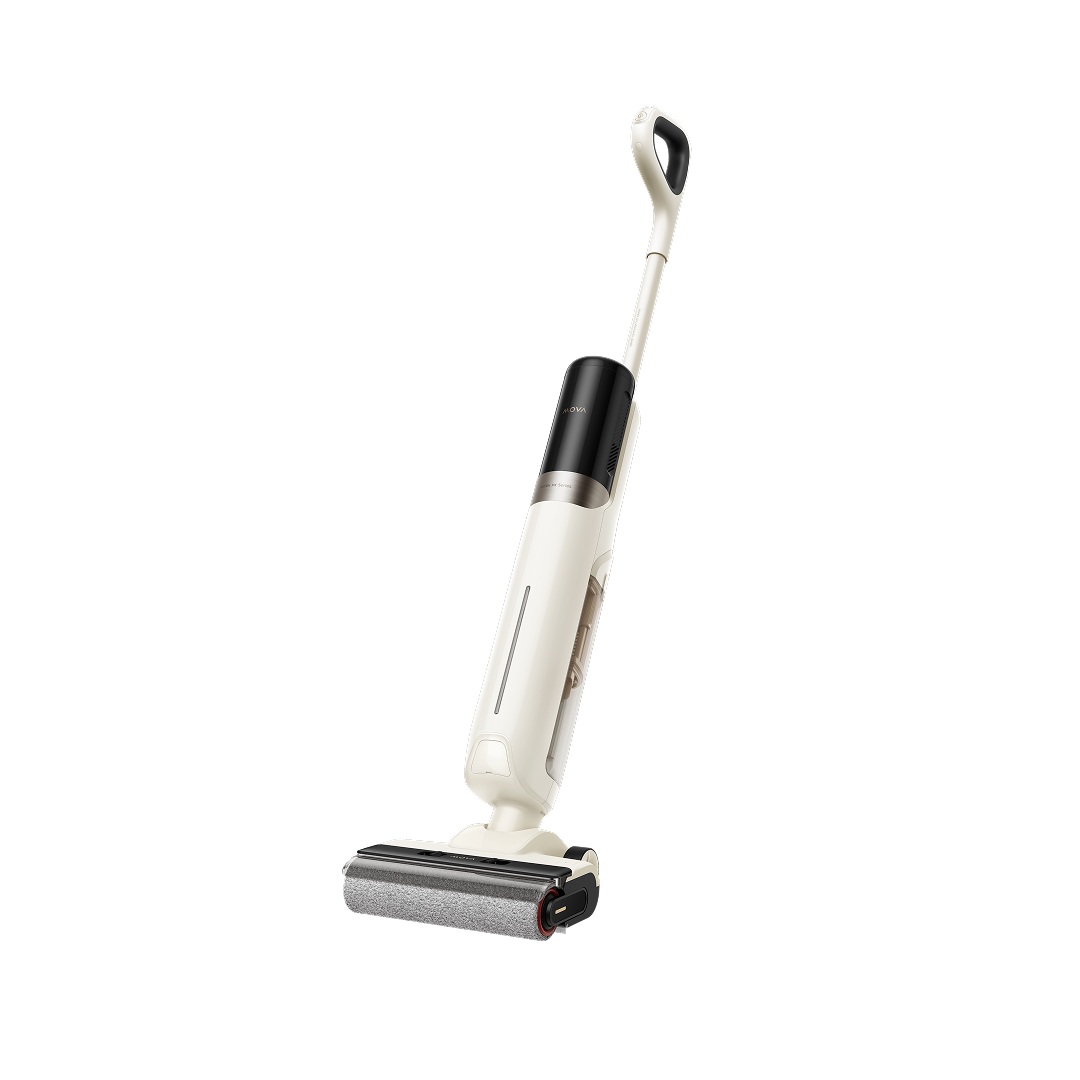
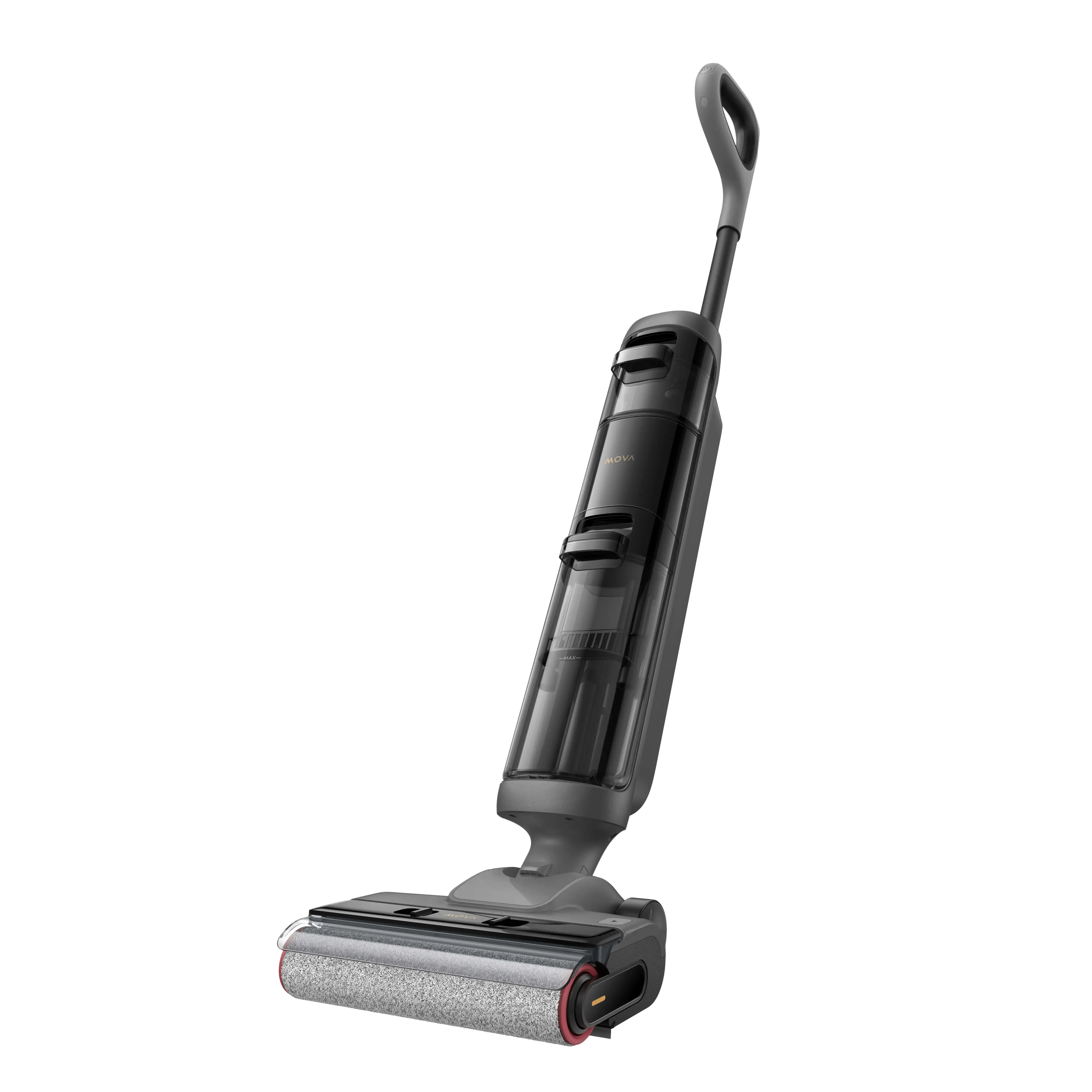
MOVA solution: With a powerful motor and multi-surface capabilities, the MOVA X4 Pro is built to tackle wet and dry messes with ease. It's ideal for busy kitchens, utility rooms, and families needing a tough, all-in-one cleaning solution.
Choosing the Right Vacuum for Your Home
Selecting the perfect vacuum depends on your flooring, lifestyle, and cleaning needs. Here's how to match the right type to your home:
Flooring Considerations
- Hard Floors & Low-Pile Rugs: A robot vacuum (like the MOVA V50 Ultra) excels at daily maintenance with minimal effort.
- Mixed Surfaces (Hardwood + Carpet): A cordless stick vacuum (such as the MOVA S4 Detect) offers versatility for quick cleanups.
- Spills & Tough Messes (Tile, Garage, Kitchen): A wet-dry vacuum (like the MOVA X4 Pro) handles both liquid and debris with heavy-duty suction.
Pet Hair & Allergies
- HEPA filters trap allergens, while anti-tangle brushes prevent hair clogs.
- Robot vacuums with scheduling (e.g., MOVA P10/Ultra) keep pet hair under control daily.
- Cordless sticks (MOVA S4) make quick work of fur on furniture and stairs.
Household Size & Layout
- Large Homes: A long-runtime robot vacuum ensures full coverage without manual effort.
- Multi-Level Homes with Stairs: A cordless stick or wet-dry vacuum provides portable, powerful cleaning.
Maintenance & Convenience
- Auto-Empty Docks (robot vacuums) reduce hassle but cost more.
- Manual Emptying (cordless sticks, wet-dry vacuums) requires regular upkeep but is budget-friendly.
- Filter Cleaning: Check monthly for optimal performance.
Conclusion
There's no one-size-fits-all solution when it comes to vacuum cleaners. From robot vacuums built for daily upkeep to cordless sticks designed for multi-surface homes, and wet & dry vacuums ideal for high-traffic areas, each type offers unique benefits. MOVA delivers a full range of smart, reliable cleaning solutions to meet the needs of modern households. Whether you're battling pet hair, everyday dust, or unexpected messes, there's a MOVA vacuum built for the job. Choose the model that fits your home and lifestyle best and keep your space effortlessly clean.
FAQs: Choosing the Right Vacuum Cleaner
1. What type of vacuum cleaner is best for everyday use?
For most homes, a robot vacuum is the best option for daily cleaning.
It handles dust, crumbs, and pet hair automatically, helping maintain clean floors without constant effort. For deeper cleaning, many users pair it with a cordless stick vacuum.
2. Should I choose a robot vacuum or a cordless stick vacuum?
It depends on how you clean.
-
Robot vacuum → Best for hands-free, daily maintenance
-
Cordless stick vacuum → Best for quick, manual cleanups and flexibility
Many households use both to cover different cleaning needs.
3. What vacuum is best for homes with pets?
Homes with pets benefit from vacuums that combine strong suction with anti-tangle features.
-
Robot vacuums → Manage daily shedding
-
Cordless sticks → Clean furniture and stairs
Look for:
-
HEPA filters
-
Anti-tangle brushes
-
Strong suction performance
4. Which vacuum cleaner works best for carpets?
Carpets require stronger suction and deeper cleaning capability.
-
Upright vacuums → Best for thick carpets
-
Cordless stick vacuums → Good for mixed flooring
-
Robot vacuums → Suitable for low-pile carpets and maintenance
5. Are wet and dry vacuums good for everyday cleaning?
Not usually.
Wet & dry vacuums are designed for:
-
Liquid spills
-
Heavy debris
-
Garage or workshop use
They’re powerful, but less practical for daily indoor cleaning due to size and maintenance.
6. Do I need more than one type of vacuum cleaner?
In many cases, yes.
A common setup is:
-
Robot vacuum → daily cleaning
-
Stick or wet vacuum → deeper or targeted cleaning
This combination gives better overall results than relying on one device.
7. What is the most versatile type of vacuum cleaner?
Cordless stick vacuums are often the most versatile.
They can:
-
Clean floors, furniture, and stairs
-
Reach tight spaces
-
Handle quick cleanups across different surfaces
8. Are robot vacuums powerful enough on their own?
They’re powerful enough for daily maintenance but may not replace deep cleaning.
They work best for:
-
Dust and small debris
-
Pet hair maintenance
-
Regular cleaning schedules
For heavy messes or carpets, a second vacuum is often helpful.
9. What should I consider before buying a vacuum cleaner?
Focus on your home and lifestyle:
-
Floor type (hardwood, carpet, mixed)
-
Presence of pets
-
Home size and layout
-
Cleaning frequency
-
Storage space
The best vacuum is the one that fits how you actually clean.
10. Which vacuum is best for small apartments?
For smaller spaces:
-
Robot vacuums → hands-free cleaning
-
Cordless stick vacuums → compact and easy to store
Both options work well depending on your preference for automation or manual control.