















A burning smell from your vacuum is usually a sign that something inside is overheating or under strain. Common causes include clogged filters, blocked airflow, tangled brush rolls, worn belts, or motor issues. While the smell doesn't always indicate a serious problem, it should never be ignored.
The good news is that many burning-smell issues can be fixed with simple maintenance. In this guide, we'll cover the most common causes, how to troubleshoot them safely, and when it may be time to consider upgrading to a modern robot vacuum like the MOVA P10 series.
Is a Burning Smell From a Vacuum Dangerous?
A burning smell should always be taken seriously. While some causes are relatively minor, such as a clogged filter or tangled brush roll, others can indicate motor or electrical problems that may worsen if ignored.
When You Should Turn It Off Immediately
Stop using the vacuum right away if you notice:
- Smoke coming from the unit
- Visible sparks
- A strong electrical burning smell
- Excessive heat around the motor housing
- Sudden loss of suction
- Unusual grinding or screeching sounds
These warning signs often point to overheating components or electrical issues that require immediate attention.
Quick Safety Checklist
✓ Turn off the vacuum
✓ Unplug it from the power outlet
✓ Allow it to cool completely
✓ Check filters, hoses, and brush rolls for blockages
✓ Remove any visible debris before restarting
Taking a few minutes to inspect the vacuum can help prevent further damage and reduce potential safety risks.
Why Does My Vacuum Smell Like It's Burning? 7 Common Causes & Solutions
1. Tangled Brush Roll (Hair and Debris)
When long hair, pet fur, carpet fibers, or string wrap tightly around the roller brush, it stops turning. The drive belt, however, keeps spinning against the stationary roller, creating high friction that melts the rubber belt.
- The Symptom: A distinct, heavy smell of burning rubber.
- The Solution: Flip the vacuum over, remove the bottom cover plate, and inspect the brush roll. Use a pair of scissors or a utility knife to cut away wrapped hair and debris until the brush roll spins completely freely by hand.
2. Clogged Airflow
When a foreign object gets stuck in the intake wand, hose, or internal pathways, the airflow stops. Vacuums rely on air passing through to keep the motor cool; a total block starves the motor, causing it to overheat.
- The Symptom: Reduced suction, a rapid heat buildup, and a high-pitched motor noise as the fan struggles against the block.
- The Solution: Check hoses, intakes, and visual connection points. Detach the main hose and use a broom handle to gently push out any hidden clogs.
3. Clogged or Aged Filters
Pre-motor and HEPA filters trap fine particles. If you haven't cleaned or replaced them in months, they become caked in dust, blocking crucial airflow to the electrical assembly.
- The Symptom: A warm, dusty, stale burning scent coming straight from the exhaust vents.
- The Solution: Clean or replace HEPA filters to restore proper airflow. Tap out loose dust, wash foam or fabric filters under cold water, and let them air dry completely for 24 hours before reinstalling.
4. Worn or Broken Drive Belt
If the drive belt becomes stretched out, misaligned, or partially snapped, it will slip against the motor pulley. This friction generates immense heat, causing the rubber to degrade rapidly.
- The Symptom: Persistent rubber burning smell, and the brush roll stops spinning altogether when placed on carpets.
- The Solution: For upright vacuums, inspect the belt for friction burns, cracks, or sagging. If damaged, replace it with a new belt matching your vacuum's exact model number.
5. Motor Overheating
Running your vacuum continuously on thick rugs or using it while the bag is packed beyond its maximum capacity creates severe backpressure. The motor works twice as hard to draw air, leading to rapid electrical thermal buildup.
- The Symptom: Intense heat radiating from the vacuum housing accompanied by a hot plastic smell.
- The Solution: Power down immediately, let it cool for at least 45 minutes, and check for obstructions in the dustbin, hose, or filters before turning it back on.
6. Electrical Issues
Fraying cords, loose internal wiring junctions, or bent prongs on the plug can create high electrical resistance. This causes the cord, internal circuitry, or your wall outlet to heat up, melting the outer insulation jacket.
- The Symptom: A sharp, plastic-like, toxic chemical burning smell near the power outlet or along the wire length.
- The Solution: Inspect the power cord for damage. If you notice exposed wires, kinks, or if the plug feels hot, stop use immediately and contact the manufacturer or a professional technician for repairs.
7. Foreign Object Obstruction
Sometimes small, hard items bypass the brush roll and lodge directly into the internal fan assembly or fan blades, blocking the physical spin of the motor components.
- The Symptom: A grinding or rattling sound followed immediately by a sharp electrical burning smell.
- The Solution: Check for coins, small toys, or debris lodged near the fan blades or inside the intake path. Remove the obstruction manually if reachable, ensuring the fan rotates smoothly.
Why Robot Vacuums Can Also Develop Burning Smells
Robot vacuums generally require less maintenance than traditional upright models, but they are not completely immune to odor-related issues.
Common causes include:
- Overfilled dust bins
- Dirty or clogged filters
- Hair wrapped around side brushes or main brushes
- Debris trapped in the suction pathway
- Delayed maintenance
The difference is that many modern robot vacuums are designed to minimize these problems through automated maintenance features.
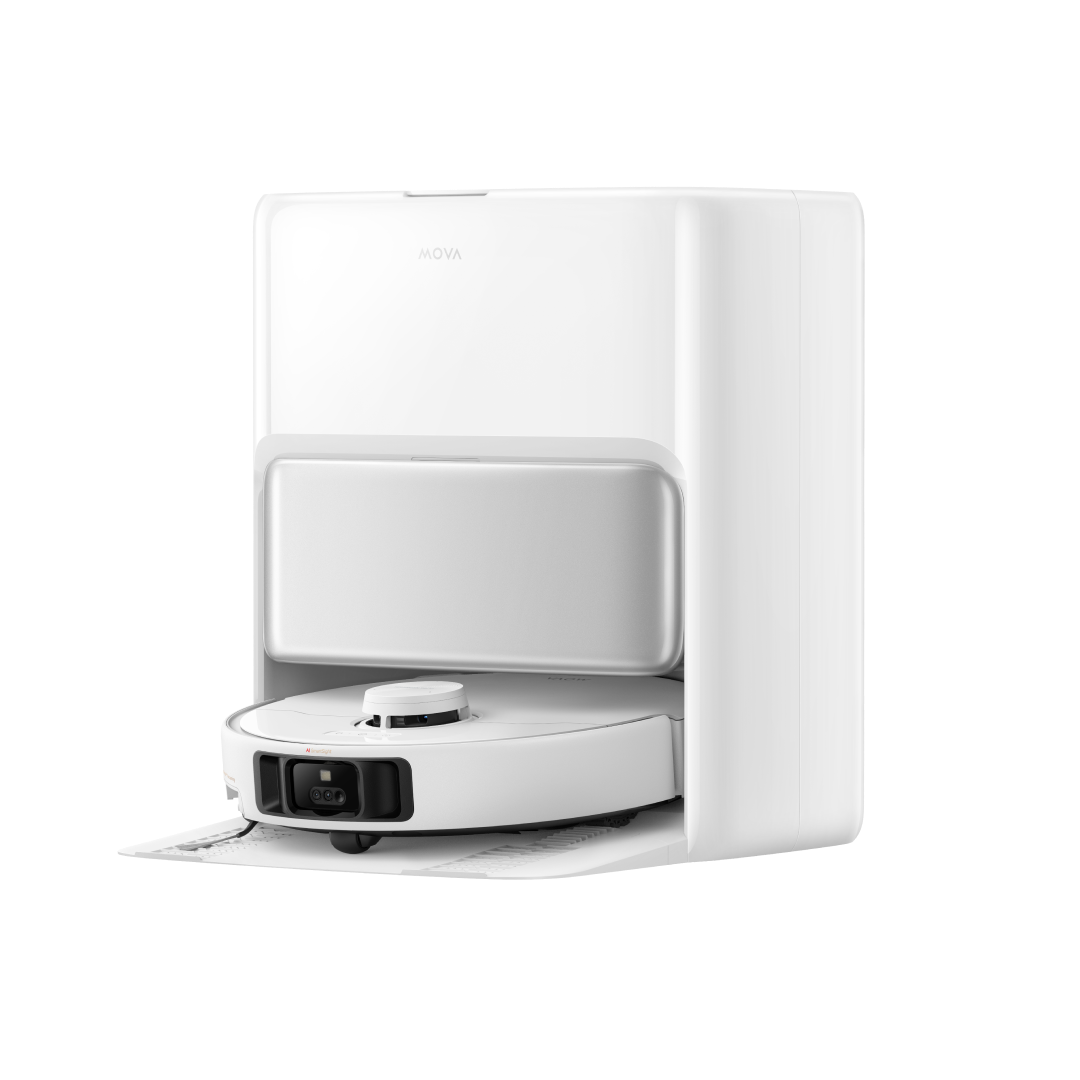
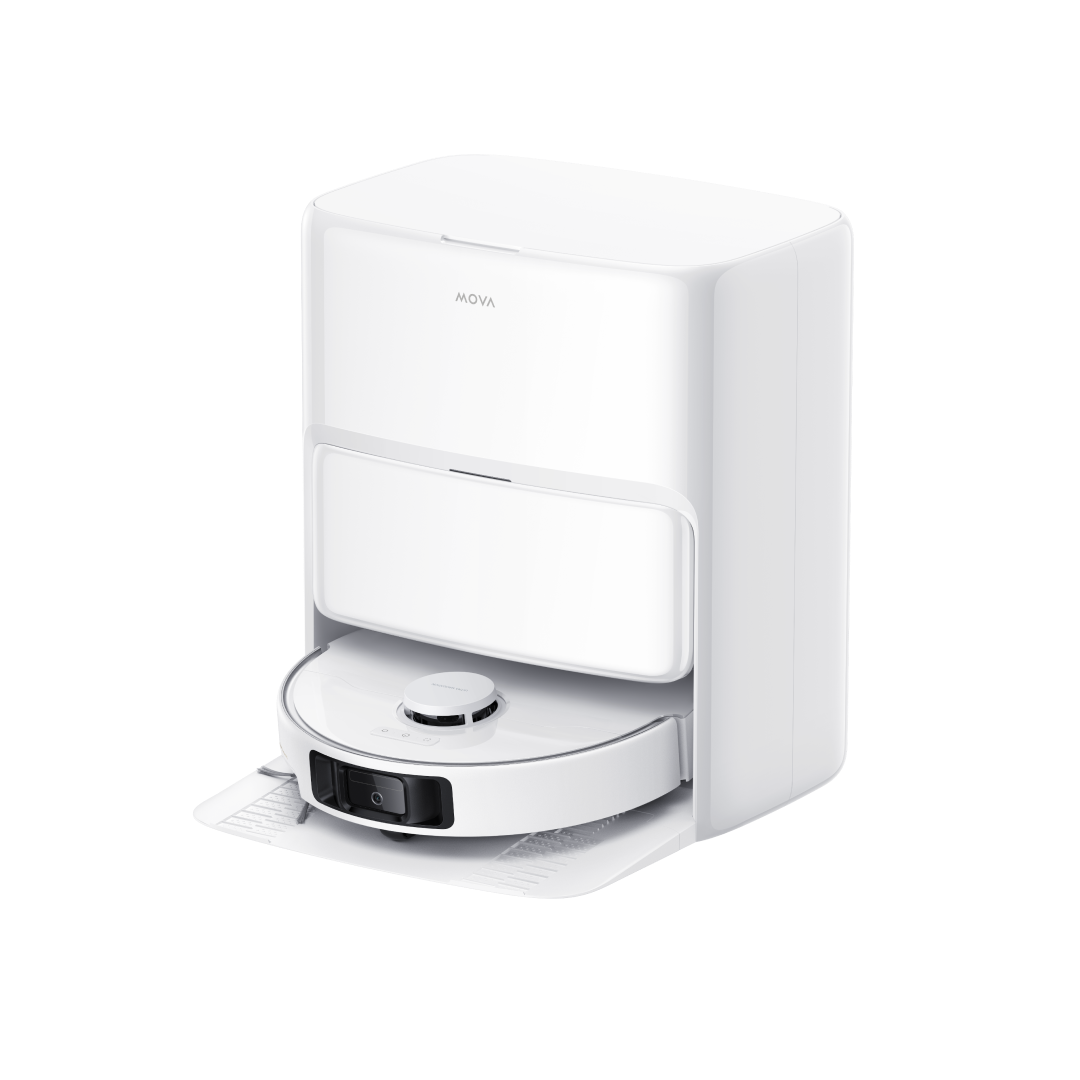
Models such as the MOVA P10 Pro Ultra series include self-emptying capabilities, advanced filtration systems, and intelligent cleaning management that help reduce dust buildup and brush congestion. Regular maintenance is still important, but these features can significantly lower the likelihood of overheating-related odors compared to traditional vacuum cleaners.
Why Modern Smart Robots are a Better Solution
The standard routine of dealing with burning smells, changing frayed rubber belts, and digging tangled hair out of brush rollers highlights a fundamental issue: traditional upright and stick vacuums place the entire maintenance burden on the homeowner. When manual upkeep is delayed, the machine faces airflow blockages and motor overload.
Upgrading to an intelligent robotic cleaning system shifts your role from active mechanic to passive operator. Modern smart robots eliminate the risk factors that cause traditional vacuums to overheat:
- Preventing Motor Overload: Advanced robot vacuums use real-time internal monitoring sensors. If a rare obstruction occurs, the system instantly cuts power to the brush motor to prevent thermal runaway, saving the hardware from friction burns.
- Eliminating Human Error: Traditional vacuums overheat because owners forget to wash filters or empty packed dust canisters. Smart robotic vacuums handle this through proactive maintenance alerts sent directly to your phone. The system tells you precisely when to swap filters or clear pathways, ensuring optimal airflow and cooling performance.
The Best Stress-Free Alternative: Meet the MOVA P10 Pro Series
If you're dealing with an aging vacuum that frequently overheats, loses suction, or requires constant troubleshooting, upgrading to a self-maintaining robot vacuum can save both time and frustration.
MOVA P10 Pro Ultra Robot Vacuum
For American homes with a mix of deep carpets, large rugs, and hard surfaces, the MOVA P10 Pro Ultra provides an intelligent, automated solution. It targets the primary causes of vacuum strain—debris blockages and hair wraps—with precision engineering.
- 13,000Pa VigorSuction: This powerful suction lifts deep-seated dust, heavy debris, and embedded pet hair in a single pass, preventing internal clogs.
- Smart Dirt Detection & RGB Vision: An AI-powered camera identifies floor hazards like stray charging cords, clothing, and toys. By steering completely clear of these obstacles, the vacuum prevents the intake of problematic objects that instantly jam standard machines.
- 149°F Hot Water Self-Cleaning Dock: After cleaning, the all-in-one base station automatically washes the mop pads at 149°F to dissolve stubborn grime, followed by rapid hot-air drying to eliminate dampness and sour odors.
- 10.5mm Auto-Lift Mop: Ultrasonic sensors detect carpets immediately, raising the mopping assembly by 10.5mm to keep rugs bone-dry while turning up suction power.
MOVA P10 Pro Ultra Gen2 Robot Vacuum
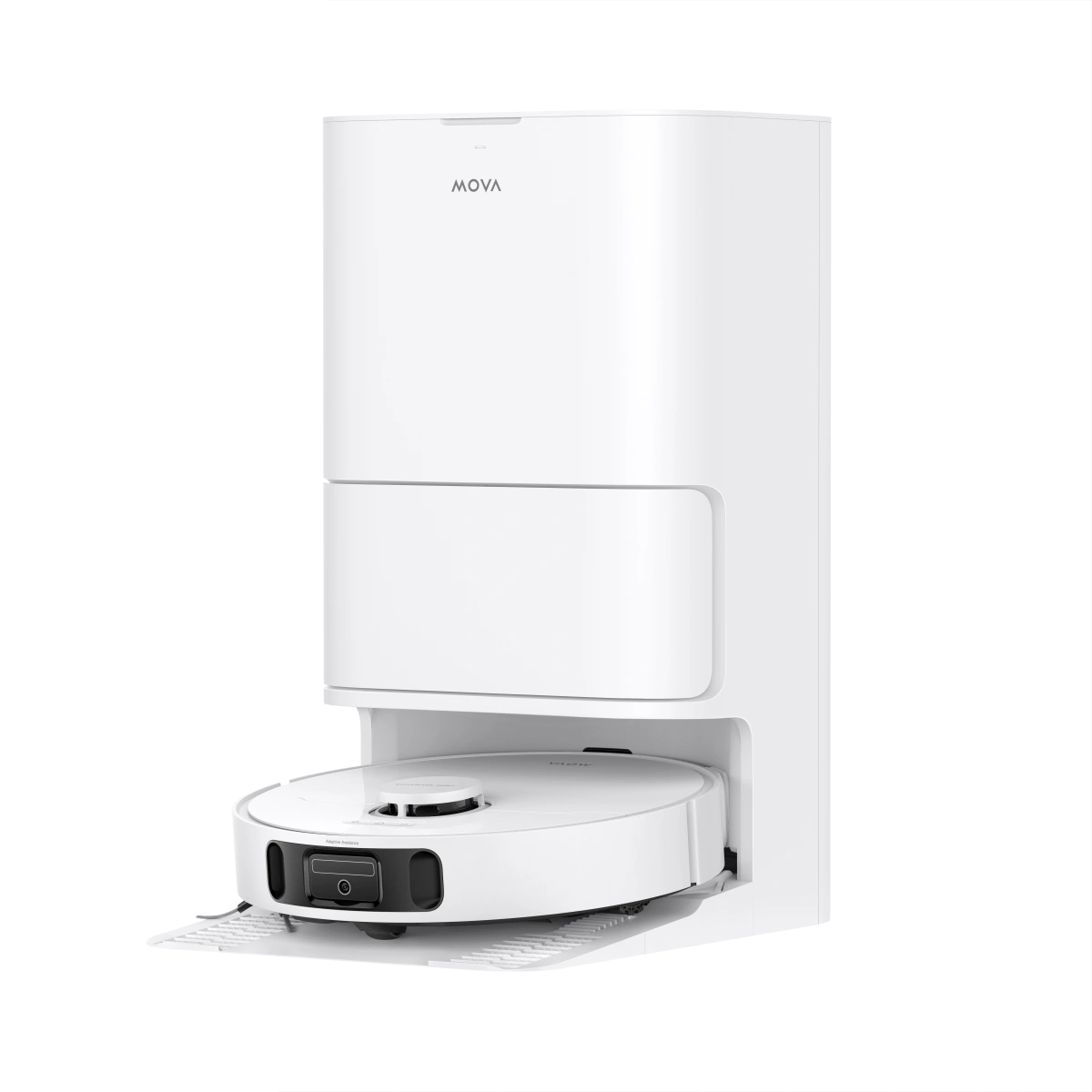
For large layouts, homes with multiple shedding pets, and heavy cleaning demands, the MOVA P10 Pro Ultra Gen2 introduces heavy-duty upgrades to ensure consistent performance.
- Industry-Leading 26,000Pa Suction: This massive suction power clears deep debris fields effortlessly, keeping the internal airway perfectly clear without straining the motor assembly.
- No-Wrap Triple Anti-Tangle System: Specially engineered for pet owners, this design combines a V-shaped brush roll with an active cutting mechanism. It eliminates the nightmare of tangled hair before it can wrap tightly around the shaft, preventing the mechanical friction that causes burning rubber smells.
- 212°F PTC Hot Mop Washing: The base station uses boiling-point heat to dissolve thick oil and grease, delivering medical-grade hygiene while preventing bacterial buildup on the cleaning pads.
- Optimized Heat Dissipation & 3-Year Warranty: The Gen2 features an upgraded navigation matrix and redesigned internal airflow that channels heat away from the core motor components. This advanced cooling layout guarantees long-term durability, backed by an industry-leading 3-year warranty.
Prevention: How to Extend Your Vacuum's Lifespan
Most vacuum problems don't appear overnight. In many cases, burning smells develop gradually as dust accumulates, airflow becomes restricted, or moving parts experience excessive wear. A few simple maintenance habits can help keep your vacuum running efficiently and reduce the risk of overheating.
- Inspect the Brush Roll Regularly: Hair, pet fur, carpet fibers, and string can quickly wrap around the brush roll and create unnecessary strain on the motor. Checking and cleaning the brush every few weeks helps maintain smooth operation and consistent cleaning performance.
- Clean or Replace Filters on Schedule: Filters play a critical role in maintaining airflow. When they become clogged, the motor must work harder to generate suction, increasing heat buildup inside the machine. Follow the manufacturer's recommended maintenance schedule and replace filters when needed.
- Check for Blockages Before They Become Serious: Periodically inspect hoses, floor heads, and air passages for trapped debris. Small obstructions can gradually reduce airflow and contribute to overheating if left unresolved.
- Avoid Extended Heavy-Duty Operation: Running a vacuum continuously for long periods, especially on thick carpets or heavily soiled floors, can place additional stress on the motor. If you're cleaning a large area, consider taking short breaks to allow the machine to cool.
- Empty the Dust Bin Frequently: An overfilled dust container can reduce airflow and affect overall performance. Emptying the bin before it reaches maximum capacity helps maintain strong suction and efficient operation.
Conclusion
A burning smell from a vacuum is often an early warning sign that something needs attention. Common causes include clogged filters, tangled brush rolls, blocked airflow, worn belts, and overheating motors. Fortunately, most of these issues can be prevented through regular maintenance and timely inspections.
If you're tired of dealing with clogged brushes, frequent maintenance, and declining vacuum performance, it may be time to consider a smarter alternative.
FAQ
Why does my vacuum smell like burning rubber?
A burning rubber smell is usually caused by a worn drive belt or a brush roll that is tangled with hair, string, or debris. The added friction generates heat and produces the characteristic rubber odor.
Can a dirty filter cause a burning smell?
Yes. A clogged filter restricts airflow, forcing the motor to work harder to maintain suction. This can lead to overheating and create a hot or burning smell during operation.
Should I keep using a vacuum that smells like burning?
No. If you notice a burning smell, turn the vacuum off and inspect it before continuing to use it. If the odor is accompanied by smoke, sparks, excessive heat, or an electrical smell, stop using the vacuum immediately and seek professional assistance.
Why does my robot vacuum smell hot?
Robot vacuums can develop a hot smell when dust bins are full, filters are clogged, or hair becomes wrapped around the brushes. Regular maintenance usually resolves the issue. Modern models with self-maintenance features, such as the MOVA P10 Pro series, help reduce the likelihood of these problems by managing dust and brush buildup more effectively.