















Hardwood floors can make a home feel warmer, cleaner, and more finished, but they also make dirt easier to notice. Fine sand near the entryway, pet hair under the sofa, crumbs in the kitchen, and dust collecting between planks can quickly take away that just-cleaned look.
For many U.S. homeowners, the concern is not simply whether a robot vacuum can pick up dirt. It is whether the robot can clean hardwood without creating another problem, such as scratches, dulling the finish, or leaving too much moisture behind.
That makes choosing a robot vacuum for hardwood floors slightly different from choosing one primarily for carpet.
The best option is not necessarily the robot with the highest suction number. What matters is how suction, brush design, wheels, navigation, and mopping work together. A good hardwood floor robot should remove fine grit before it can be ground into the finish, while keeping the cleaning process controlled and appropriate for the type of wood flooring in your home.
Why Hardwood Floors Need a Different Robot Vacuum
Hardwood and engineered wood floors are common throughout American homes, particularly in open-plan living areas where the kitchen, dining room, and living room share the same floor surface.
That layout creates a practical cleaning problem. Dirt does not stay in one room.
Sand and grit can be tracked in from the garage or front door. Pet hair can move between rooms. Food particles can collect around kitchen islands and dining areas. Because hardwood has a relatively smooth surface, even small amounts of debris can be visible.
Regular vacuuming is important because accumulated grit can damage the surface of wood flooring. Shaw Floors specifically recommends regular sweeping or vacuuming and advises using a brush or felt type vacuum head rather than a beater bar. It also recommends keeping vacuum wheels clean so they do not damage the finish.
This is where a robot vacuum designed for hard floors has an advantage.
Instead of relying on occasional deep cleaning, you can schedule frequent cleaning to remove dust, hair, crumbs, and fine grit before they accumulate.
But the robot itself needs to be designed carefully. A stiff brush, dirty wheel, or poorly controlled cleaning system can work against the goal of protecting the floor.
What Features Matter Most in a Robot Vacuum for Hardwood Floors?
Choosing a robot vacuum for hardwood floors is not simply about finding the model with the strongest suction or the longest list of smart features. Hardwood requires a more balanced approach. The robot needs to pick up fine grit, dust, hair, and crumbs without putting unnecessary stress on the floor finish, while its mopping system needs to manage moisture carefully.
For U.S. households with hardwood throughout the kitchen, living room, bedrooms, or open-plan areas, these are the features worth paying the most attention to.
Is Suction Power the Most Important Feature for Hardwood Floors?
Strong suction helps remove fine dust, pet hair, and grit from hardwood floor seams, but higher suction alone does not guarantee better cleaning. The brush design matters just as much.
Models such as the MOVA P70 Pro Ultra and P20 Ultra Complete offer up to 30,000Pa suction. Combined with rubberized or floor-friendly rollers, strong suction can improve debris pickup while reducing unnecessary friction against the floor.
Why Vacuum and Mop Combos Are Popular for Hardwood Floors
Vacuum and mop functions let one robot handle everyday dust, hair, crumbs, and light surface marks. For busy U.S. households, that means less manual cleaning.
For hardwood, however, moisture control is essential. The mop should use enough water to clean the surface without leaving standing water or allowing moisture to collect around floor seams. Always follow your flooring manufacturer's cleaning recommendations.
Why Navigation and Obstacle Avoidance Matter in Real Homes
Real homes are rarely clutter-free. Pet toys, cables, shoes, furniture legs, and other objects can easily become obstacles.
LiDAR navigation and obstacle avoidance help the robot map rooms, choose efficient routes, and reduce unnecessary collisions with furniture and walls. This is especially useful in open-plan homes and households with pets.
Why Self-Emptying Features Make Daily Cleaning Easier
A self-emptying dock means you do not need to empty the robot's dustbin after every cleaning cycle. This is particularly convenient for homes with pets or frequent foot traffic.
Premium models can also wash and dry their mop pads automatically. The MOVA MOBIUS 60, for example, features hot-water mop washing at up to 212°F. Clean mop pads help maintain a more consistent cleaning routine, especially when the robot is used frequently.
Best Robot Vacuum for Different Hardwood Floor Home Scenarios
There is no single best robot vacuum for every hardwood floor home. The right choice depends on how much floor space you have, whether you have pets, how often you clean, and how much maintenance you want to handle yourself.
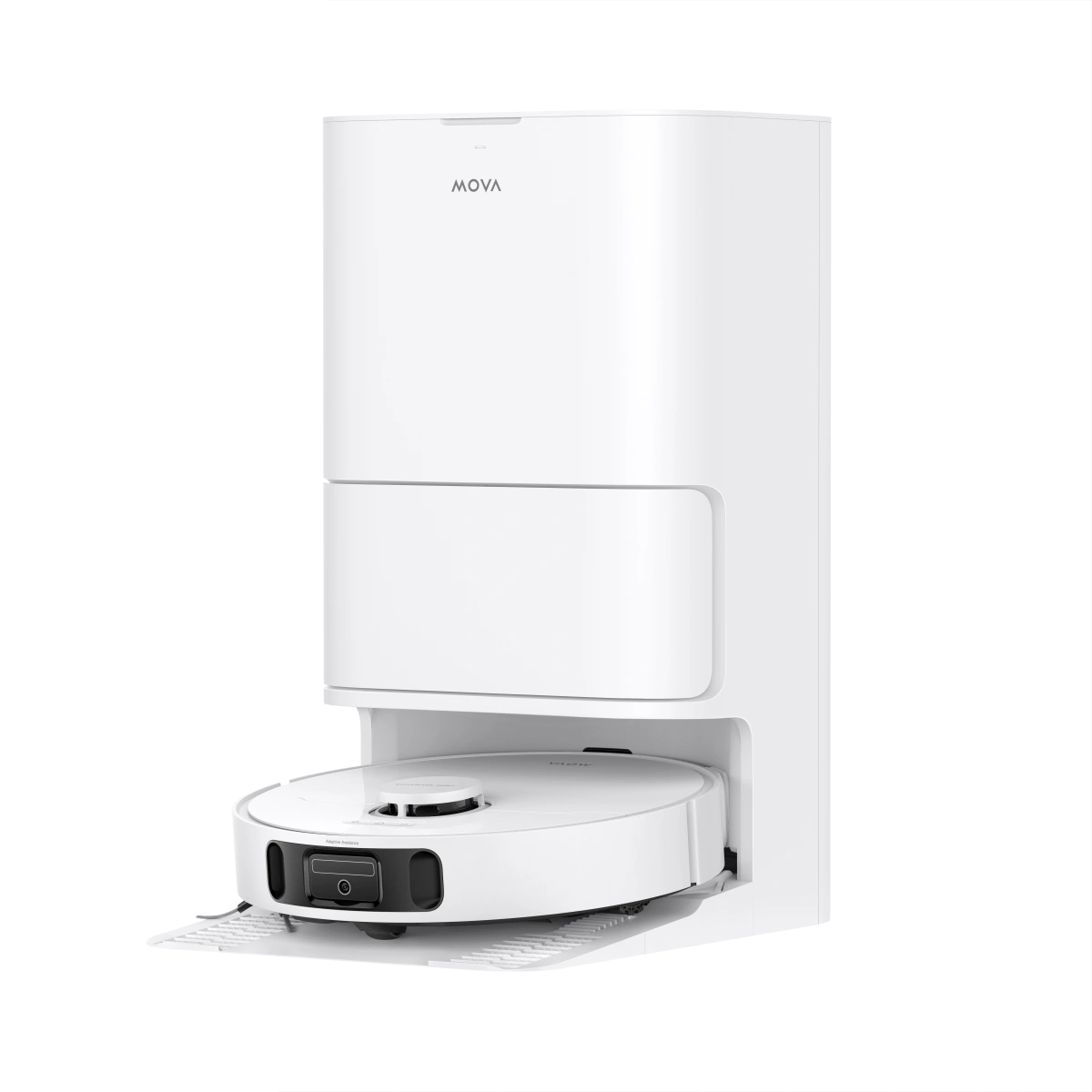
Ultimate Care & Dual Maintenance (Flagship Pick): MOBIUS 60
The MOBIUS 60 is a strong option for homeowners who want vacuuming and mopping to work as part of one automated routine. Its MopSwap system provides different mop options, while its advanced cleaning system is designed to handle everyday dust, hair, and floor maintenance.
For homes where hardwood care is a priority, the ability to adapt the cleaning approach to different surfaces can be more useful than simply having maximum suction.
Best for: Homeowners who want premium automation and more flexible floor care.
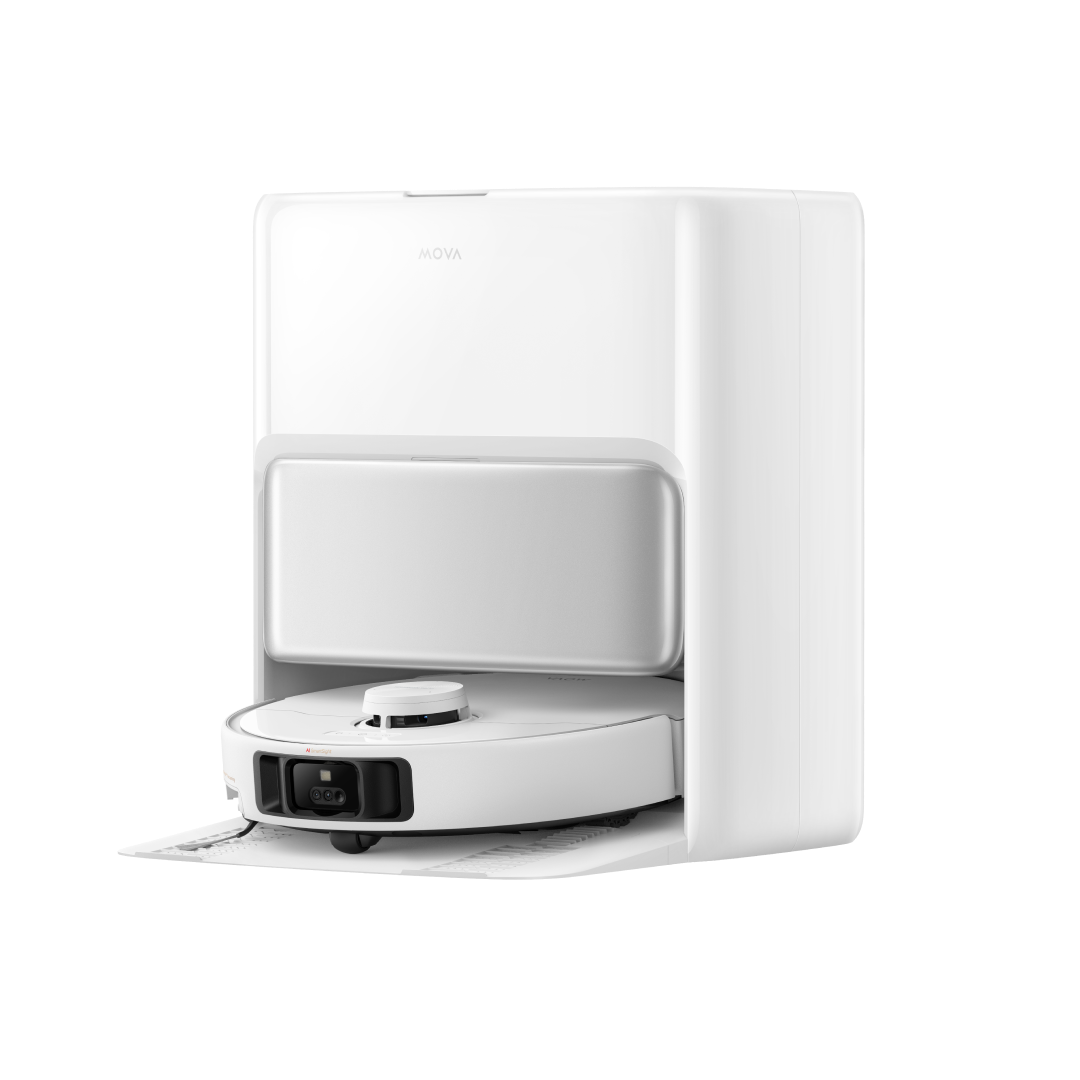
Hurricane Suction for Deeper Gap Cleaning: P70 PRO ULTRA & P20 ULTRA COMPLETE
Both models offer up to 30,000Pa suction, giving them plenty of cleaning power for fine dust, pet hair, crumbs, and grit that can collect around hardwood plank seams.
This is particularly useful in busy households. Small particles such as sand and grit can be tracked indoors and repeatedly walked over, so removing them regularly is an important part of everyday hardwood maintenance.
Best for: Pet owners, families, and homes with heavy foot traffic.
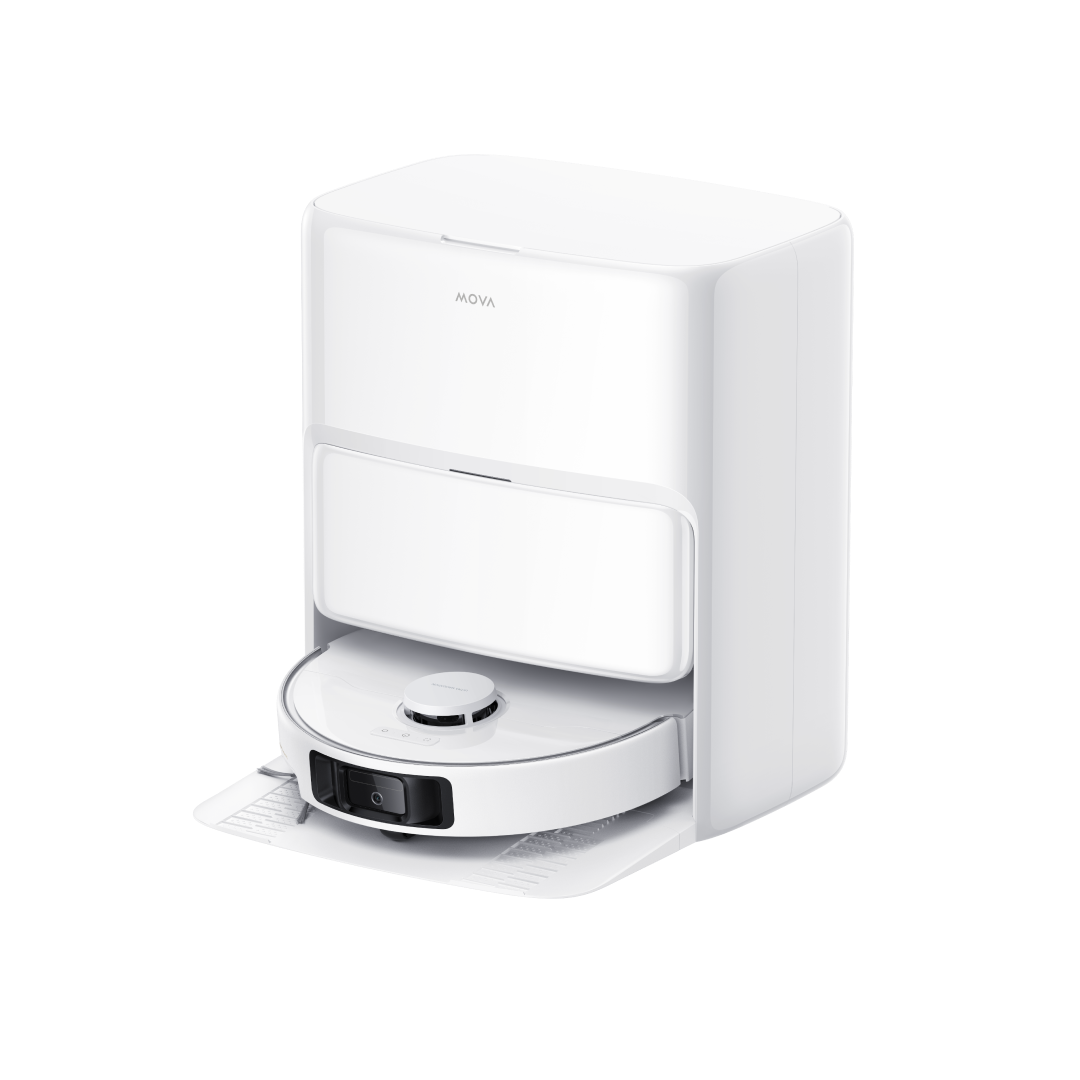
Smart Navigation & Gentle Warm-Water Mopping: V50 ULTRA COMPLETE
The V50 ULTRA COMPLETE combines advanced navigation with warm-water mopping to tackle everyday surface dirt and kitchen residue. Its navigation system also helps the robot move around furniture and other obstacles instead of repeatedly following the same inefficient route.
For open-plan homes with hardwood connecting the kitchen, dining area, and living room, this combination can make automated cleaning more practical.
Best for: Open-plan homes and households that want more automated mopping
Anti-Tangle Roller System for Smooth Gliding: Z60 ULTRA ROLLER COMPLETE
Pet hair and long human hair can quickly become wrapped around a conventional roller. The Z60 ULTRA ROLLER COMPLETE is designed around a roller system that helps reduce hair buildup and maintain consistent cleaning performance.
That can be particularly useful on hardwood, where pet hair and dust are often highly visible.
Best for: Homes with dogs, cats, or long hair.
Robot Vacuum vs Traditional Vacuum for Hardwood Floors: Which One Is Better?
Both robot and traditional vacuums can be effective on hardwood floors. The bigger difference is how and how often the floor gets cleaned.
A traditional vacuum gives you direct control. You can choose the exact area to clean, apply more attention to heavily soiled spots, and switch attachments when needed. The downside is that cleaning depends on someone being available to do it.
A robot vacuum takes the opposite approach. It is designed for frequent, scheduled cleaning with less manual involvement. This can be especially useful for hardwood because regularly removing dust, pet hair, and tracked-in grit helps prevent debris from accumulating.
So, Which Is Better for Hardwood?
For daily hardwood maintenance, a robot vacuum has a clear convenience advantage. It can clean frequently without requiring you to get out the vacuum every day.
A traditional vacuum can still be the better tool for stairs, upholstery, corners, or areas that need concentrated cleaning.
For many U.S. households, the most practical approach is not choosing one over the other. Use a robot vacuum for routine floor maintenance and keep a traditional vacuum for occasional deep cleaning and hard-to-reach areas.
Can Robot Vacuums Scratch Hardwood Floors? What Homeowners Should Know
A robot vacuum does not automatically mean scratched floors. The risk depends on the robot's cleaning components, the condition of its wheels and brushes, and the type of debris on the floor.
A small stone or other sharp debris caught around a wheel or roller can potentially leave marks. Regularly checking the wheels, main brush, and side brush can help prevent this problem.
When choosing a robot, look for a brush system designed for hard floors rather than assuming that the strongest or most aggressive brush will provide better results.
It is also worth using the app's virtual boundaries or No-Go Zones around areas that require special care, such as delicate flooring transitions or surfaces that should not be mopped.
Most importantly, follow the cleaning recommendations provided by your flooring manufacturer.
How to Choose the Right Robot Vacuum for Your Hardwood Floors
Before buying, focus on three things.
1. Check your flooring type: Find out whether you have sealed hardwood, engineered wood, or another flooring finish. If you plan to use the mop function, confirm that damp cleaning is recommended.
2. Consider your household: Pet hair, children, heavy foot traffic, and large open-plan spaces can make stronger suction, anti-tangle systems, and advanced navigation more valuable.
3. Decide how much automation you want: A basic robot can handle scheduled vacuuming, while premium models can add self-emptying, automatic mop washing, drying, and other hands-free maintenance features.
Final Thought:
The best robot vacuum for hardwood floors is not necessarily the one with the highest suction rating or the most features. It is the one that matches your flooring, household, and cleaning routine.
For everyday maintenance, frequent and consistent cleaning can help keep dust, hair, and grit under control. If you also want automated mopping, pay close attention to water management and your flooring manufacturer's care instructions.
Choose the cleaning system around your actual home rather than the specification sheet alone, and a robot vacuum can become a practical part of your long-term hardwood floor maintenance routine.
FAQ
Are Robot Vacuums Safe for Hardwood Floors?
Yes, a robot vacuum can be safe for hardwood floors when the model is suitable for hard surfaces and properly maintained. Look for a floor-friendly roller, smooth wheels, and controlled mopping if you plan to use the mop function. Regularly remove hair and debris from the wheels and brushes to reduce the risk of marks or scratches.
You should also follow the care instructions provided by your flooring manufacturer, particularly for mopping.
What Is the Best Robot Vacuum for Hardwood Floors with Pets?
For homes with dogs or cats, prioritize strong suction, an effective anti-tangle roller, and frequent automated cleaning. The MOVA P70 PRO ULTRA and P20 ULTRA COMPLETE offer up to 30,000Pa suction, while the Z60 ULTRA ROLLER COMPLETE focuses on roller performance and hair management.
The best choice depends on whether your priority is maximum pickup, hair management, mopping, or overall automation.
Should You Buy a Robot Vacuum with a Mop for Hardwood Floors?
A vacuum and mop combination can be useful for sealed hardwood floors if the flooring manufacturer allows damp cleaning. It can remove both loose debris and light surface residue in one scheduled routine.
However, moisture control matters. A robot mop should not leave standing water or excessive moisture on the floor. Check your flooring manufacturer's recommendations before using any automated mopping function.
How Often Should You Run a Robot Vacuum on Hardwood Floors?
For homes with pets, children, or heavy foot traffic, running the robot daily can help keep hair, dust, and tracked-in grit under control. In a quieter household, several cleaning sessions per week may be sufficient.
The main advantage of a robot vacuum is that frequent light cleaning can be scheduled automatically, reducing the amount of debris that accumulates between deeper cleaning sessions.