















Vacuum cleaners are built to make everyday cleaning easier, but their lifespan can vary greatly depending on the design, components, and how they are maintained. A well cared for vacuum can deliver reliable performance for years, while poor maintenance can lead to reduced suction, battery issues, and more frequent repairs.
From traditional upright models to modern robot vacuums, this guide explains how long different vacuum types typically last, what factors affect durability, and how proper maintenance can help you get more value from your vacuum.
Average Lifespan of Vacuums by Type
Different types of vacuums are designed with different uses—and lifespans—in mind. Here's a breakdown of how long each kind typically lasts with regular use and maintenance.
Vacuum Lifespan Comparison Table
| Vacuum Type | Average Lifespan | Common Reasons for Replacement |
|---|---|---|
| Upright Vacuum | 7 to 10 years | Motor wear, belt issues, reduced suction |
| Canister Vacuum | 8 to 12 years | Hose damage, aging components |
| Stick Vacuum | 3 to 5 years | Battery degradation, motor wear |
| Robot Vacuum | 3 to 6 years | Battery aging, sensor issues, software limitations |
| Handheld Vacuum | 2 to 4 years | Battery failure, limited capacity |
| Commercial Vacuum | 10+ years | Heavy usage and component wear |
This comparison shows that traditional vacuums often have longer lifespans because they contain fewer electronic components. However, modern robot vacuums continue to improve with stronger motors, smarter navigation systems, and better battery management, making them a long-term cleaning solution for many households.
Upright Vacuums (7–10 years):
Known for strong suction and deep carpet cleaning, upright vacuums typically last around a decade when properly maintained. Regular belt replacements, filter cleaning, and brush maintenance can significantly extend their usable life.
Canister Vacuums (8–12 years):
Often considered one of the most durable vacuum types, canister vacuums offer flexibility and powerful cleaning performance. Their modular design makes many components easier to repair or replace, helping them achieve a longer lifespan compared with some other vacuum categories.
Stick Vacuums (3–5 years):
Lightweight and convenient, stick vacuums prioritize portability and easy daily cleaning. However, their rechargeable batteries are usually the main factor limiting lifespan. Battery performance gradually decreases after repeated charging cycles, which may reduce runtime and cleaning efficiency.
Robot Vacuums (3–6 years):
Robot vacuums typically last between three and six years depending on usage, maintenance, battery quality, and hardware design.
Unlike traditional vacuums, robot models include additional components such as navigation sensors, processors, software systems, and automated cleaning mechanisms. These technologies provide convenience but also require proper maintenance to ensure long-term performance.
A well-maintained robot vacuum can continue delivering effective cleaning for years. Regularly cleaning brushes, replacing filters, removing tangled hair, and keeping software updated can help maximize its lifespan.
Handheld Vacuums (2–4 years):
Handheld vacuums are designed for quick cleaning tasks and generally have shorter lifespans compared with full-size models. Battery wear is one of the most common reasons for replacement, although premium models used occasionally can last longer.
Commercial/Industrial Vacuums (10+ years):
Built for demanding environments, commercial vacuums are designed with durability in mind. With regular servicing and replacement of wear components, many professional-grade models can exceed ten years of operation.
Key Factors That Affect Vacuum Lifespan
The lifespan of a vacuum cleaner is not determined only by the type of vacuum you choose. How you use and maintain your machine also plays a major role in how long it continues to perform effectively.
Several factors can influence vacuum durability, including build quality, cleaning habits, floor type, and maintenance frequency.
- Build Quality & Brand Reputation: High-end brands tend to offer better components, tighter assembly, and longer warranties. Budget vacuums may cost less upfront but often sacrifice longevity.
- Usage Frequency: A vacuum used daily—especially in large homes or pet households—will wear out faster than one used weekly in a smaller space.
- Maintenance Habits: Simple tasks like cleaning or replacing filters, emptying the dustbin regularly, and replacing belts when needed can add years to a vacuum's life.
- Type of Flooring: Thick carpet puts more strain on motors and brushes than hardwood or tile. Pet hair can also clog systems if not managed properly.
- Battery-Powered vs. Corded: Cordless vacuums offer flexibility but rely on rechargeable batteries that degrade over time. Corded models, while less convenient, generally last longer.
Regular upkeep, combined with smart usage and a well-chosen brand, goes a long way in ensuring your vacuum stays effective for years.
How Long Do Robot Vacuums Last?
Robot vacuums typically last around 3 to 6 years, depending on the quality of their components, cleaning frequency, maintenance routine, and battery performance.
Unlike traditional vacuums, robot vacuums combine mechanical cleaning systems with smart technology, including navigation sensors, processors, software, and automated docking systems. Because of this, lifespan depends not only on motor durability but also on the reliability of electronic components.
What Determines a Robot Vacuum's Lifespan?
Battery Performance
The battery is one of the most important components affecting robot vacuum lifespan. Over time, rechargeable batteries naturally lose capacity, which can reduce cleaning time and require more frequent charging.
High-quality battery management systems can help reduce unnecessary charging cycles and improve long-term efficiency.
Navigation and Sensor Reliability
Robot vacuums rely on sensors and navigation technology to move efficiently around the home. Advanced navigation systems help reduce repeated cleaning paths, prevent unnecessary collisions, and improve overall cleaning efficiency.
For premium robot vacuums, better navigation technology can contribute to more consistent performance throughout the product's lifespan.
Cleaning System Design
Brush design and anti-tangle technology also play an important role in durability. Pet hair, dust, and debris can create blockages that increase stress on motors and reduce cleaning performance.
A well-designed cleaning system helps minimize maintenance needs and protects internal components.
How to Extend the Lifespan of Your Vacuum Cleaner
Proper care can significantly improve how long your vacuum lasts. Regardless of whether you use a traditional vacuum or a robot vacuum, following a consistent maintenance routine can help maintain performance and reduce unnecessary repairs.
1. Clean Filters Regularly
Dirty filters restrict airflow and force the motor to work harder. Cleaning or replacing filters according to manufacturer recommendations helps maintain suction power and prevents overheating.
2. Empty the Dustbin Frequently
Allowing dust and debris to build up inside the vacuum can reduce cleaning efficiency and put extra strain on the system. Emptying the dustbin regularly helps maintain airflow and performance.
3. Remove Hair and Debris From Brushes
Pet hair is one of the most common causes of vacuum performance issues. Regularly removing hair from rollers and brushes helps prevent clogs and keeps the cleaning system running smoothly.
4. Replace Wear Parts When Needed
Belts, filters, brushes, and batteries are designed to wear out over time. Replacing these parts before they fail completely can extend the useful life of your vacuum.
5. Follow Proper Charging Practices for Cordless Models
Avoid using the battery for a long time beyond the charging time, keep the battery within the appropriate temperature range, and conduct the charging and discharging cycle on a regular basis.
Signs Your Vacuum Is Nearing the End of Its Life
No vacuum lasts forever but knowing when yours is on its way out can save you the frustration of poor cleaning and repeated repairs. Watch for these warning signs:
- Loss of Suction Power: If your vacuum still lacks power after replacing filters and clearing clogs, it could be a sign of a worn-out motor or internal damage.
- Unusual Noises: Grinding, screeching, or rattling sounds often point to motor issues, worn bearings, or loose internal components.
- Frequent Breakdowns: If you're replacing parts more often than you're vacuuming, the cost of repairs may outweigh the value of keeping the machine.
- Burning Smell or Electrical Issues: Smells of burning plastic or electrical shorting are serious safety concerns and usually signal the end of a vacuum's safe life.
- Battery Problems (Cordless Models): If your cordless vacuum can't hold a charge or dies quickly, the battery may be failing—often one of the most expensive parts to replace.
If you're seeing multiple signs at once, it's probably time to consider an upgrade.
Should You Repair or Replace Your Vacuum?
Deciding whether to repair or replace a vacuum depends on several factors, including the age of the machine, the cost of repairs, and whether it can still deliver the cleaning performance you need.
In many cases, smaller issues such as worn filters, brushes, belts, batteries, or blockages can be fixed through simple part replacements or routine maintenance. These repairs can often extend the usable life of a vacuum without requiring a full replacement.
However, if the vacuum has a failing motor, requires frequent repairs, struggles to maintain suction power, or the repair cost is close to the price of a new model, upgrading may be the more practical option.
For many households, replacing an older vacuum with a newer model can provide better cleaning efficiency, stronger suction, improved battery performance, and smarter features that older machines may not support. A modern vacuum can also reduce maintenance effort while delivering more consistent cleaning results over time.
Are Premium Robot Vacuums Worth the Investment?
When considering how long a vacuum lasts, the initial purchase price is only one part of the decision. A lower-cost vacuum may seem like a better deal upfront, but frequent repairs, weaker performance, and shorter replacement cycles can increase the overall cost over time.
Premium robot vacuums are designed with more durable components, smarter cleaning systems, and features that reduce daily maintenance. Improvements in suction technology, navigation, battery management, and self-maintenance systems can help maintain cleaning performance over a longer period.
For households with pets, large floor areas, or mixed flooring, investing in a higher-quality robot vacuum can provide better long-term value by reducing manual cleaning effort while maintaining consistent results.
MOVA V50 Ultra Complete: Top-Performing Vacuums Built to Last
Among advanced robot vacuums, the
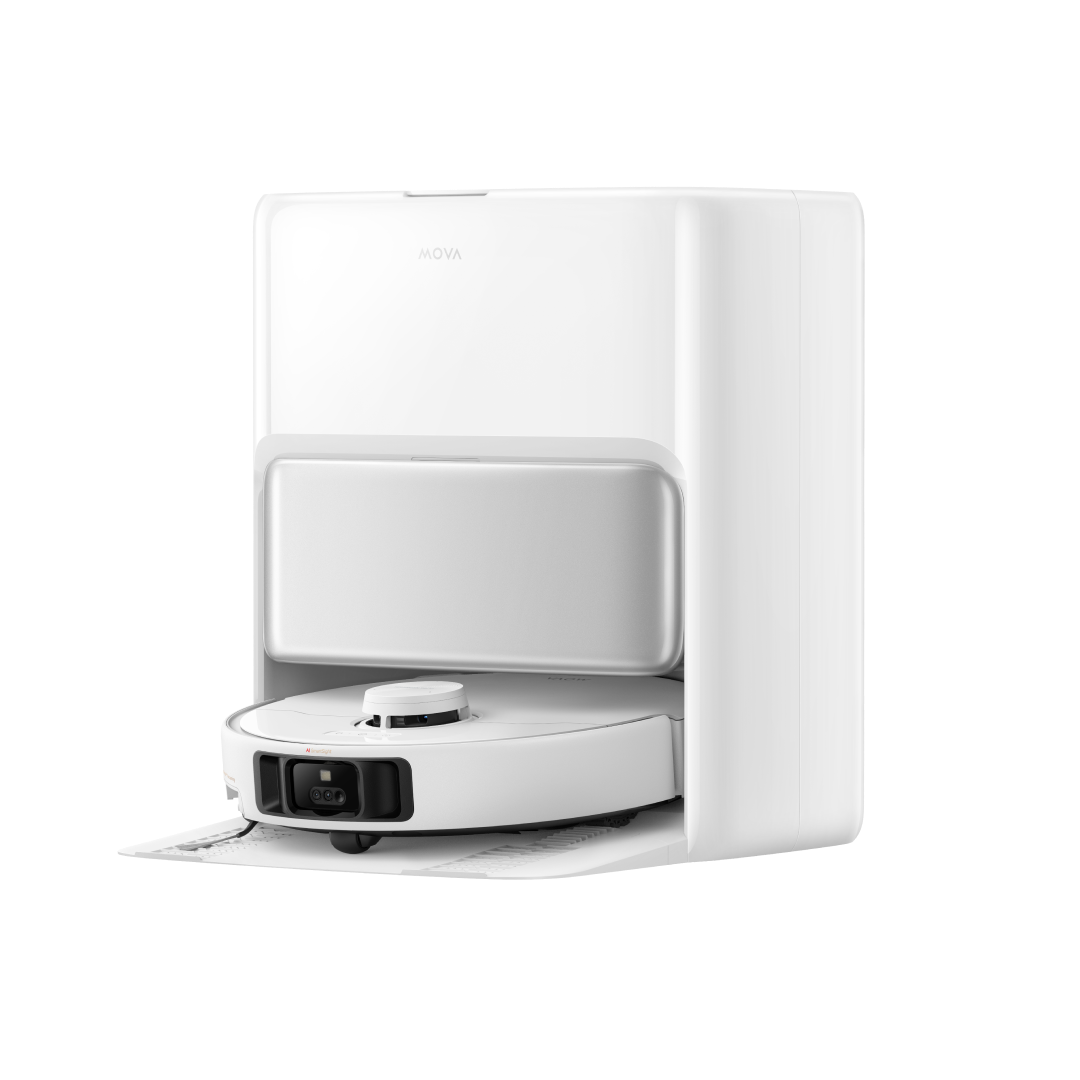
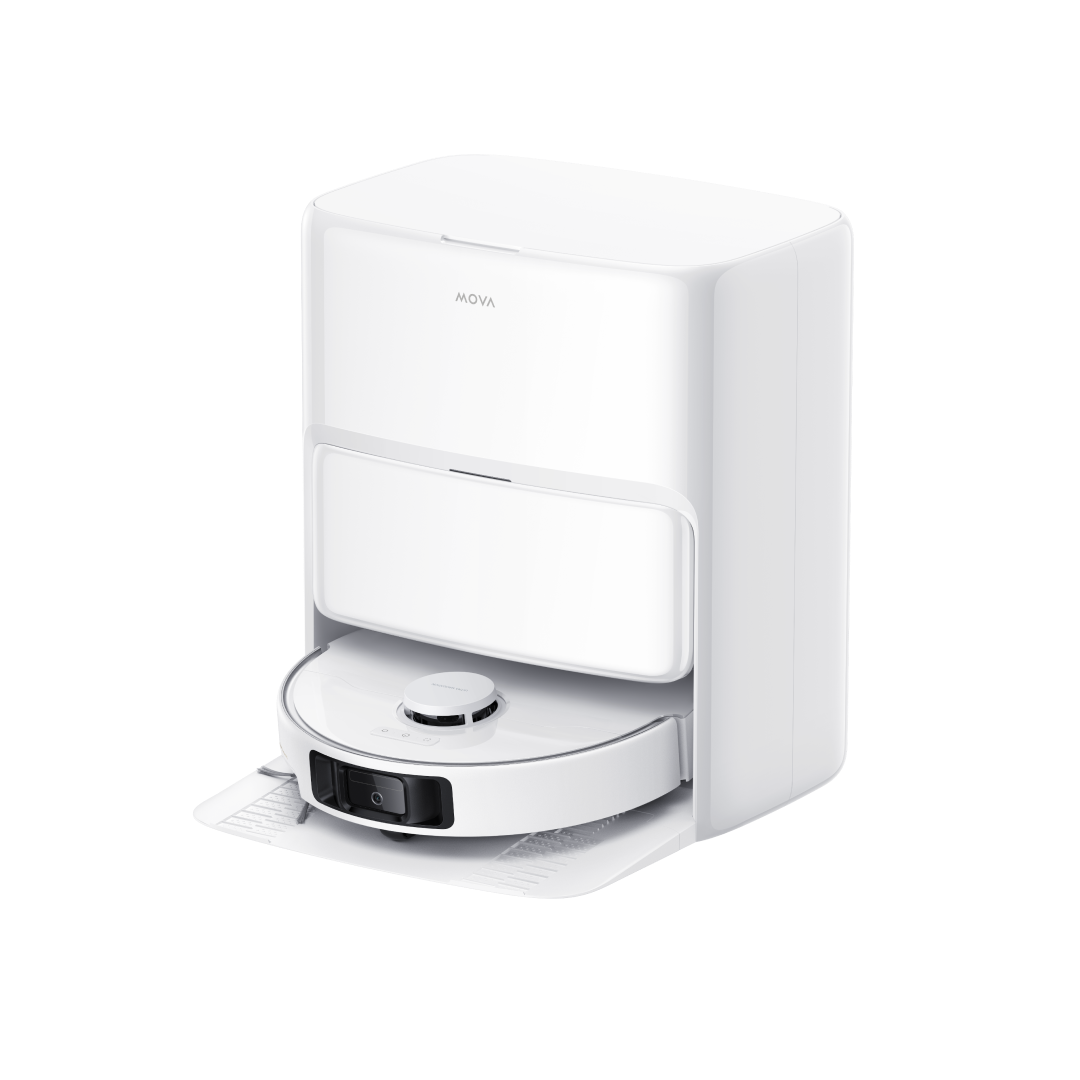
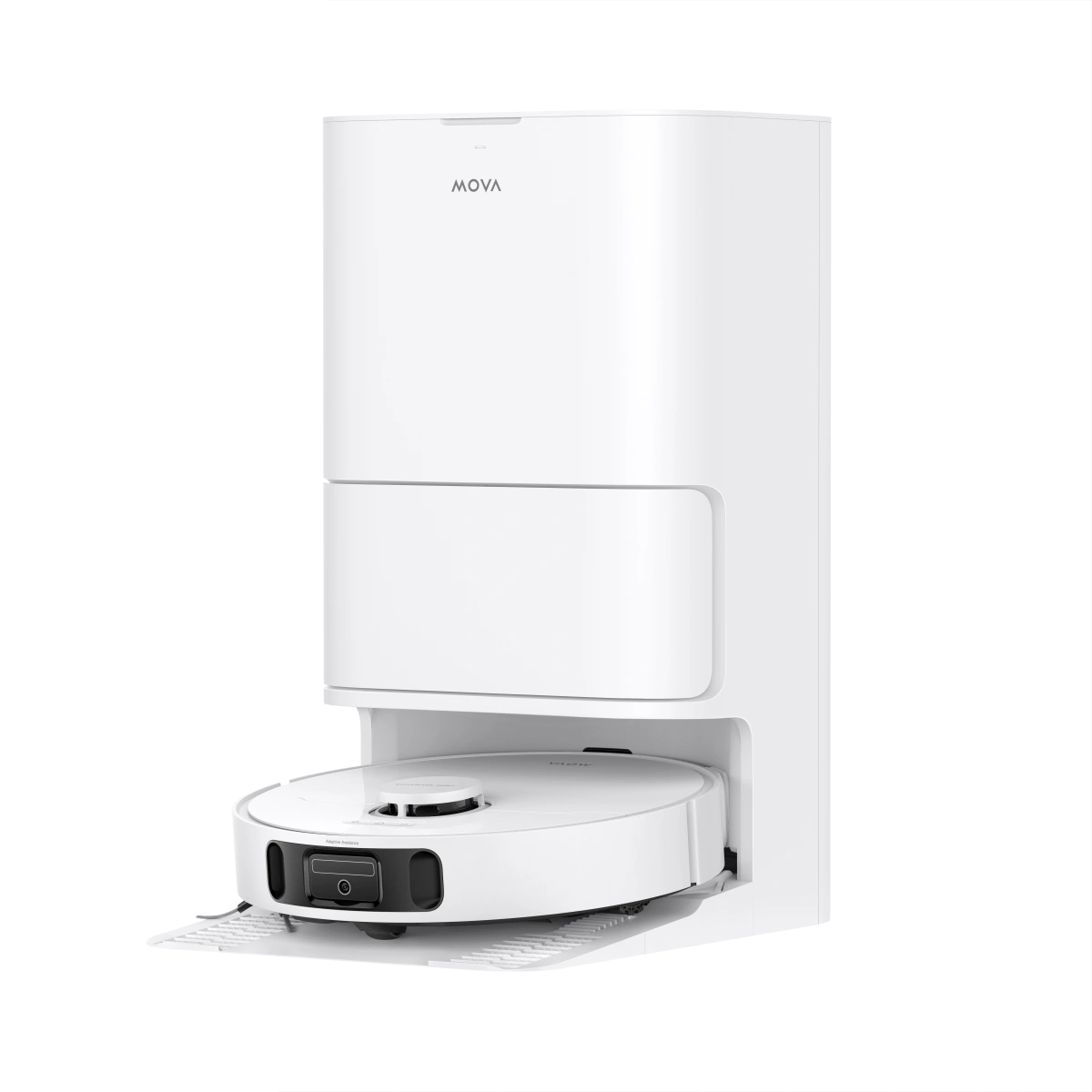
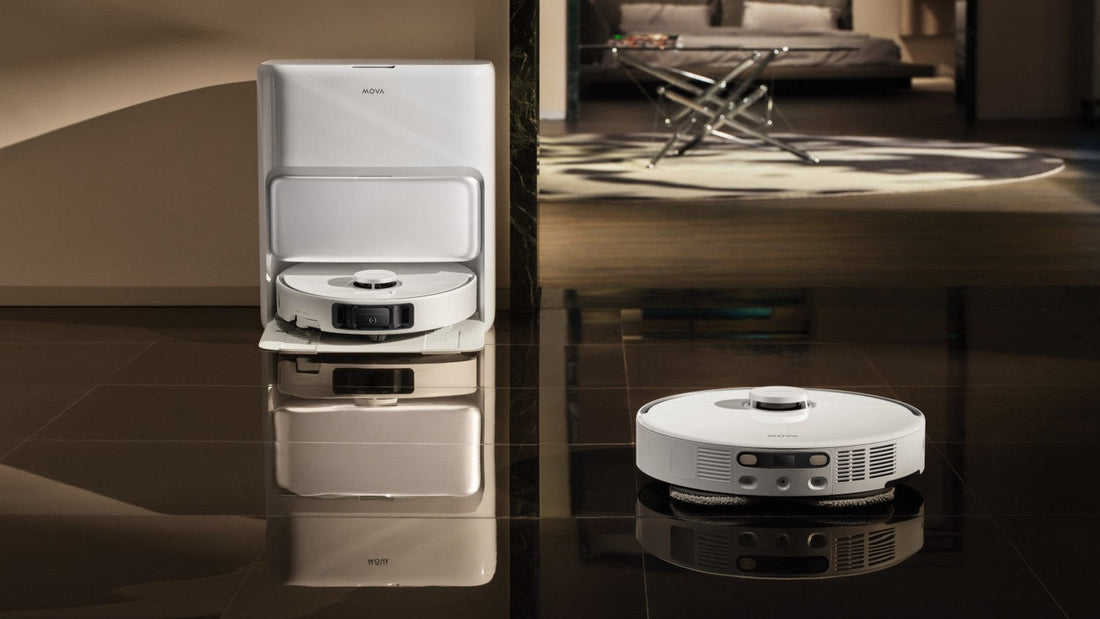
MOVA V50 Ultra Complete Robot Vacuum is designed to deliver powerful cleaning performance while simplifying everyday maintenance. Instead of focusing only on suction power, it combines strong cleaning capabilities with intelligent navigation, anti-tangle technology, and automated maintenance features to support consistent performance over time.
A robot vacuum's long-term performance depends not only on its motor but also on how effectively it manages common cleaning challenges such as pet hair buildup, navigation efficiency, and routine maintenance. The MOVA V50 Ultra Complete addresses these areas with several technologies designed for modern households.
Key highlights include:
- StepMaster™ obstacle-climbing (up to 6cm) for better mobility over thresholds
- FlexiRise™ Navigation for precise mapping and smart route optimization
- 24,000Pa suction power for deep, effective cleaning
- Triple Anti-Tangle Mechanisms to prevent hair clogs
- DuoSolution™ System with JetSpray Dryboard™ and OmniDry™ for spotless mopping
- Thermo Mopping with Solution for a more hygienic clean
- Advanced pet hair pickup and daily dust control
Whether you're upgrading from an older unit or investing in your first robot vacuum, the MOVA V50 Ultra delivers high-end performance, smart features, and lasting value.
Final Thoughts: Maximizing Your Vacuum's Lifespan
Vacuum cleaners vary widely in how long they last—but with smart purchasing decisions and proper care, many can exceed their expected lifespans. From build quality to how often you clean the filters, every detail matters.
Staying on top of maintenance is the best way to extend your vacuum's life. But if you're seeing signs of wear, don't wait—upgrading to a newer, more efficient model can improve your cleaning results and save money long-term.
Ready for something powerful and built to last? Consider investing in a high-quality vacuum like the MOVA V50 Ultra.
FAQs
How long does a vacuum cleaner usually last?
A vacuum cleaner typically lasts between 5 and 10 years, depending on the type, quality, usage frequency, and maintenance. Upright and canister vacuums often last longer, while cordless and robot vacuums may require replacement sooner due to battery and electronic components.
How long do robot vacuums last?
Most robot vacuums last around 3 to 6 years with proper maintenance. Battery health, cleaning frequency, navigation systems, and component quality all affect how long a robot vacuum continues to perform effectively.
What is the most common reason a vacuum stops working?
Common causes include motor wear, battery degradation, clogged filters, damaged brushes, and internal component failure. Regular maintenance can help prevent many performance issues.
Is it worth repairing an old vacuum?
It depends on the vacuum’s age and repair cost. Replacing smaller components such as filters, brushes, or batteries can extend a vacuum’s life. However, if major parts like the motor fail or repairs become frequent, replacing the vacuum may be a better long-term choice.
How can I make my vacuum last longer?
Regular filter cleaning, removing hair and debris from brushes, emptying dust containers, replacing worn parts, and following proper charging practices can help extend vacuum lifespan.