









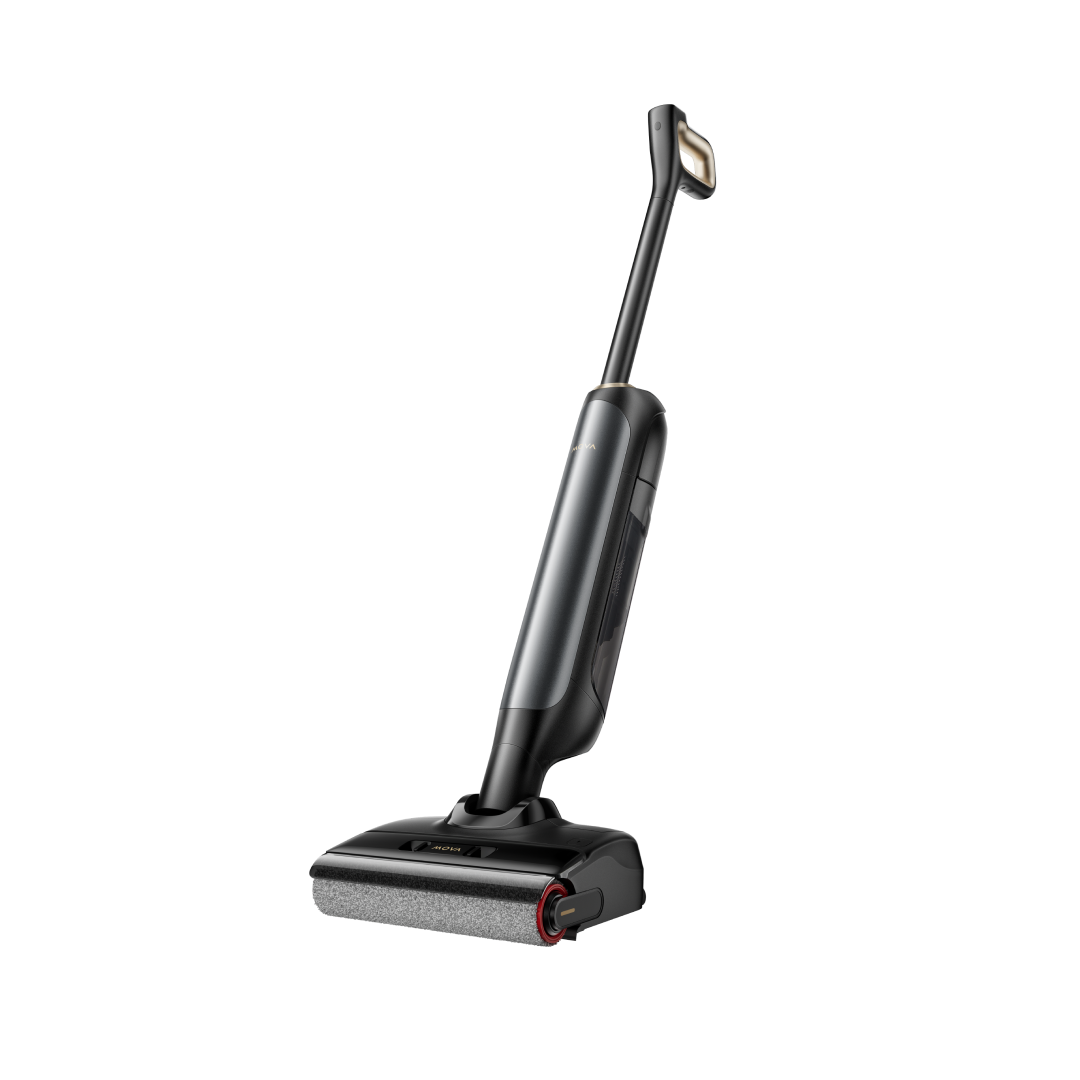
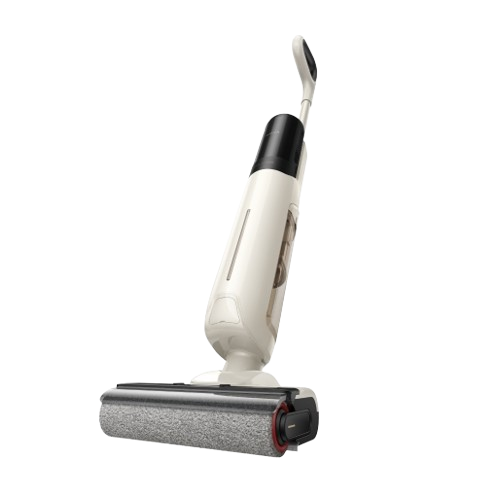






If you are searching for the best robot vacuum for hardwood floors or wondering whether an automatic floor cleaning machine for home is truly effective, you are not alone. Many people still question whether robot vacuums can handle real household messes or simply pick up light dust.
Modern robotic vacuums, however, are far more advanced than earlier models. With powerful suction, smart navigation, AI obstacle avoidance, and precise home mapping, devices like the MOVA Z60 and MOVA V50 can efficiently clean hard floors, carpets, and pet hair with minimal effort.
Understanding how these technologies work can help you choose a robot vacuum that delivers reliable cleaning performance for your home.
How Modern Robot Vacuums Work: The Science of Clean
The skepticism surrounding automated cleaning usually stems from a lack of understanding of what goes on beneath the chassis. Modern robot vacuums are intricate ecosystems combining mechanical physics and computational intelligence to achieve deep floor penetration.
Suction & Brushes
At the core of any vacuum is airflow. Unlike early iterations that relied solely on a weak sweeping motion, devices like the MOVA V50 utilize high-performance brushless motors that generate immense static pressure. This suction pulling power is coupled with a dynamic brush roll system often combining rubber blades and dense bristles that agitates carpet fibers to dislodge embedded dust, while simultaneously sealing against hard floors to prevent debris from scattering. The physics ensure that fine allergens, pet dander, and heavier grit are pulled cleanly into the intake path rather than simply pushed around.
Navigation (LiDAR & AI)
Suction is irrelevant if the machine cannot find the dirt. This is where modern spatial computing redefines effectiveness. Premium models, exemplified by the MOVA Z60, ditch the random patterns of the past in favor of real-time mapping. Utilizing LiDAR (Light Detection and Ranging), the vacuum emits rapid laser pulses to map the structural layout of a room with millimeter accuracy. This is paired with localized AI-powered obstacle avoidance. By processing visual data through onboard algorithms, the vacuum can identify, categorize, and steer clear of temporary hazards like stray shoes, power cords, or pet bowls, ensuring seamless coverage without human intervention.
Mopping Systems
A key hallmark of modern cleaning efficiency is the integration of simultaneous mopping systems. Instead of just dragging a damp cloth, advanced dual-function units use pressurized, vibrating, or rotating mop pads alongside high suction, allowing households to address both dry debris and stubborn surface stains in a single pass.
Key Factors Influencing Cleaning Performance
Not all automated vacuums deliver the same results. Understanding the specific performance metrics will help determine whether a robot can handle the unique layout and flooring of your home.
Suction Power (Pa)
Vacuum performance is quantified in Pascals (Pa), a measure of atmospheric pressure variance. Standard hard floors require modest suction, but carpets demand significantly more force. High-end hardware, such as the Gen2 series, delivers elevated Pa ratings that draw dirt out from deep within dense pile rugs. When a machine detects a transition from hardwood to carpet, it automatically scales its suction power to maximum capacity, ensuring thorough extraction where dirt hides most.
Navigation Intelligence
The difference between a frustrating appliance and a helpful one lies in its guidance system. Basic, budget-friendly models often use infrared bounce sensors that result in repetitive cleaning paths and high percentages of missed spots. Conversely, sophisticated systems utilizing SLAM (Simultaneous Localization and Mapping) found in advanced models like the MOBIUS 60 constantly calculate the most efficient grid-like path. This intelligence allows the machine to track exactly where it has been and where it still needs to go, drastically reducing cleaning time and battery consumption.
Battery Life & Auto-Emptying
True cleaning effectiveness is closely tied to autonomy. If a robot runs out of power halfway through a cycle or stops because its dustbin is full, its real-world utility drops. Modern units mitigate this with prolonged battery life and intelligent "charge and resume" protocols. More importantly, self-emptying base stations have transformed user experience. By automatically evacuating the robot's internal bin into a sealed bag at the dock, these systems allow the vacuum to operate independently for weeks, ensuring consistent, daily maintenance without manual upkeep.
Real-World Scenarios: MOVA Product Recommendations
Different homes come with distinct layouts, flooring types, and cleaning challenges. Matching your specific household environment with the right engineering ensures you get the most out of automated floor care.
The All-Rounder: MOVA Z60
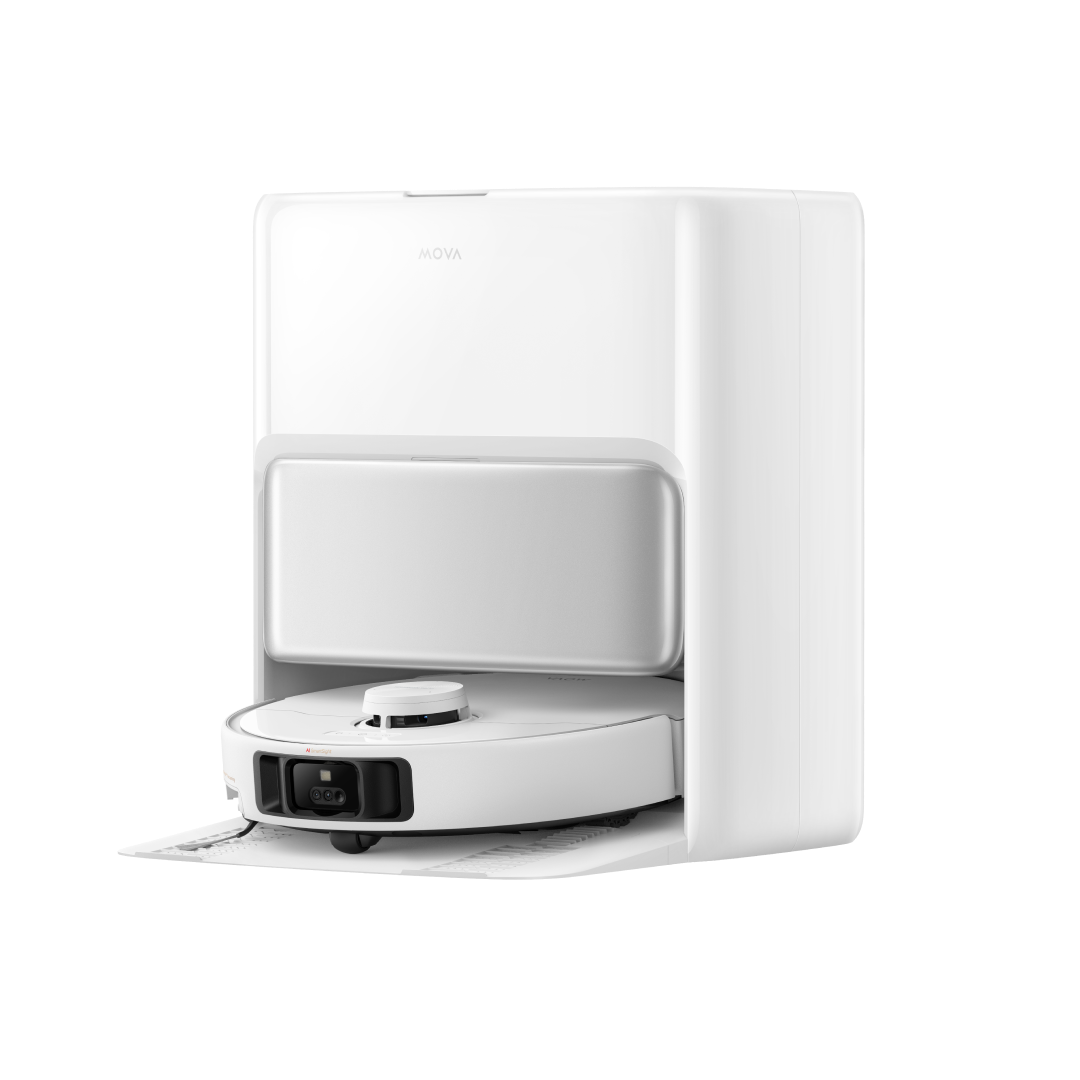
For active, busy households with dynamic and unpredictable environments, the MOVA Z60 Ultra Roller Complete Robot Vacuum offers a comprehensive solution. Its hallmark feature is advanced AI integration paired with deep-cleaning capabilities. Designed to handle a mix of high-traffic living spaces, it seamlessly transitions between intensive vacuuming and pressurized mopping. The onboard intelligent navigation processes visual data in real-time through its AI-driven vision system, allowing it to navigate around erratic daily obstacles like toys, scattered clothing, or pet gear without missing a beat. It is the ideal choice for families requiring a completely hands-off, adaptive daily maintenance tool.
The Carpet Specialist: MOVA V50 Ultra Complete
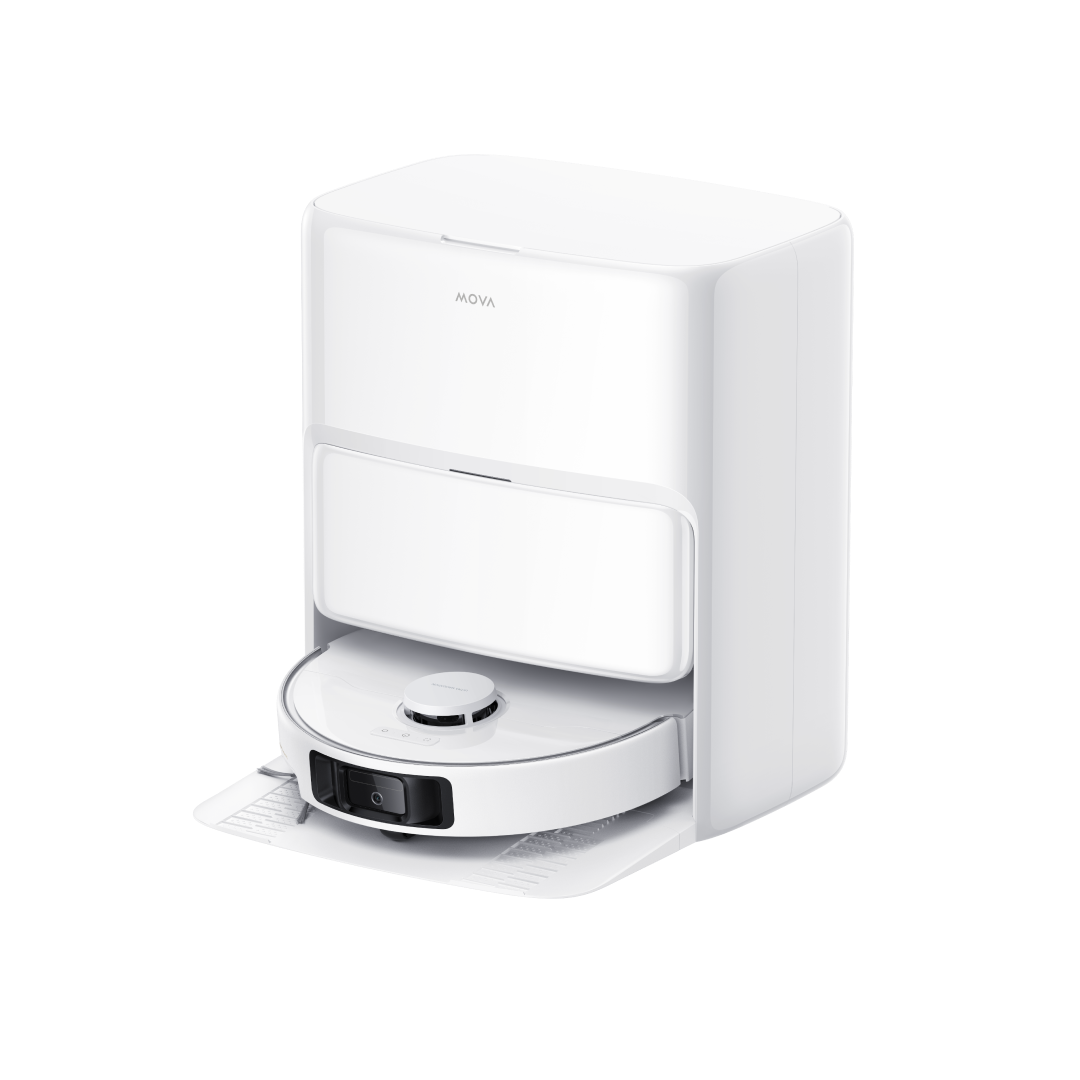
If your floor plan is dominated by medium-to-high pile area rugs or extensive wall-to-wall carpeting, the MOVA V50 Ultra Complete is explicitly engineered for the task. This model redefines carpet care by delivering an unrivaled 24,000Pa hyper-suction motor designed to extract deeply embedded dust, dander, and fine debris from thick fabric fibers. Crucially, it solves the problem of cross-contamination with its Intelligent Auto-Mop Detachment system, which automatically drops its mopping pads at the base station before stepping onto carpets to guarantee rugs stay 100% dry. Combined with an industry-first 6cm obstacle-climbing capacity, it effortlessly scales thick carpets and high door sills that trap standard machines.
The Smart Value Choice: MOVA MOBIUS 60
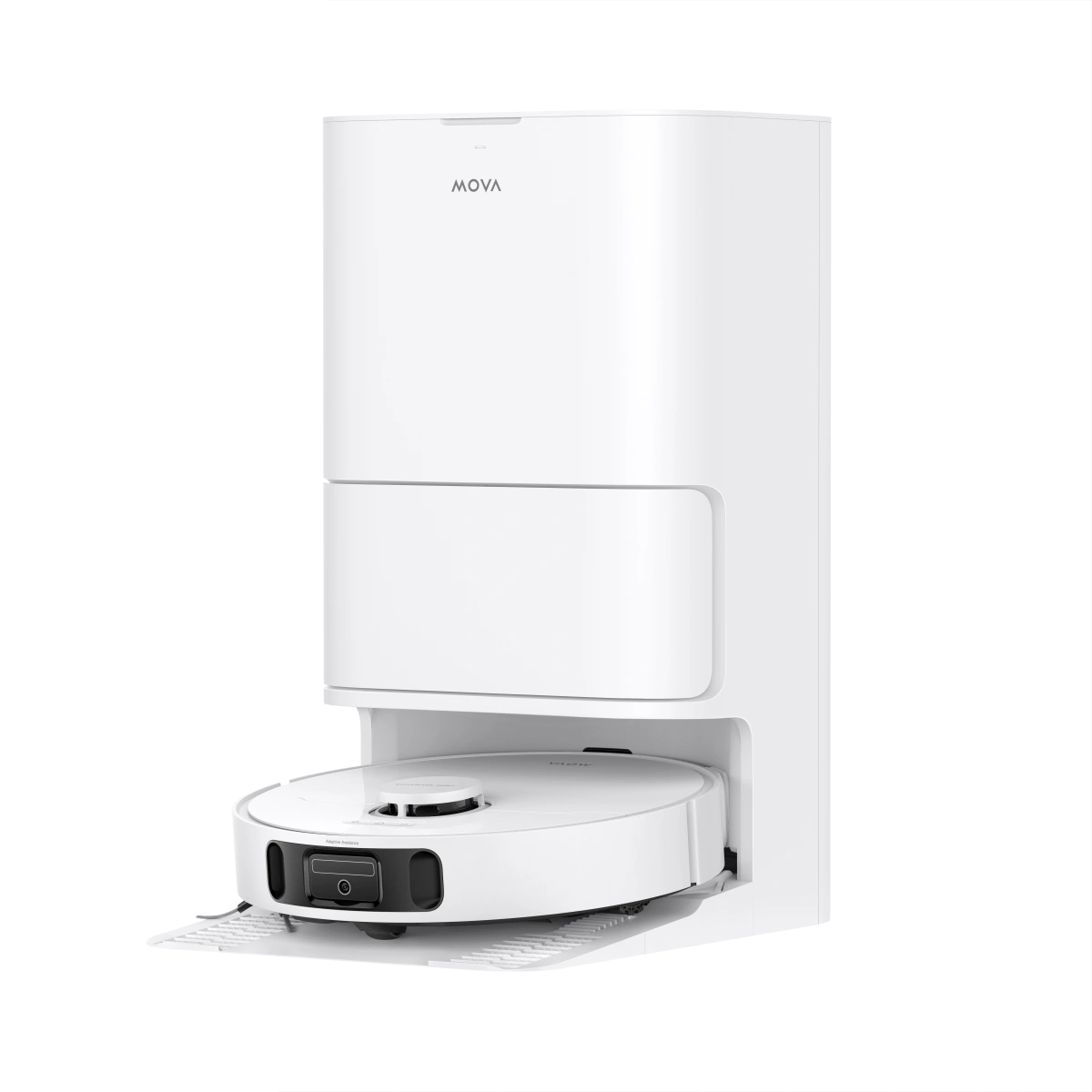
Managing expansive, multi-room floor plans requires premium structural efficiency. The MOBIUS 60 addresses this with staggering hardware capability, boasting an industry-leading 30,000Pa suction power alongside a revolutionary FlexScope™ Navigation system—a retractable sensor that lowers to glide under low-clearance furniture and rises for wide-angle panoramic mapping. Perfect for larger layouts, it scales hurdles up to 3.14 inches with its StepMaster™ robotic legs and features the innovative MopSwap™ System, using three specialized, interchangeable pads (such as ThermoHold for greasy kitchens and Plush for gentle wood care). Backed by a 212°F hot water self-washing base station, it delivers a massive, hygienic clean across vast areas.
The Next-Gen Standard: MOVA P10 Pro Ultra Gen2
For those who want to future-proof their floor care, the P10 Pro Ultra Gen2 Robot Vacuum series sets a new benchmark in automated performance. Anchored by a monster 26,000Pa suction capacity, it instantly eliminates deep-seated dirt from both hard floors and carpets in a single pass. The Gen2 stands out for pet owners with its No-Wrap Triple Anti-Tangle System, using a V-shaped brush and integrated cutting mechanism to end the nightmare of tangled hair. Complete with a 212°F PTC Hot Mop Washing cycle that delivers medical-grade hygiene by dissolving grease and killing 99.9% of bacteria at boiling point, this series represents the absolute cutting edge of hands-free domestic upkeep.
How to Maximize Your Robot Vacuum’s Efficiency
An automated vacuum is a powerful tool, but its real-world performance is significantly enhanced by how it is integrated into your household routines. Adopting a few simple habits ensures your machine runs at peak efficiency.
- Clear the Clutter: Even though premium models boast sophisticated AI-driven obstacle avoidance, a clear floor yields faster, more thorough results. Picking up loose clothing, scattered cables, and small pet toys prevents the vacuum from having to recalculate its path constantly. A clear path allows the robot to maintain its optimal grid pattern, saving battery life and reducing overall cleaning time.
- Routine Maintenance: Automated vacuums require occasional human upkeep to remain effective. Over time, dust films can cloud optical sensors and LiDAR lenses, degrading navigation accuracy. Consistently flipping the machine over to clear tangled hair from the main brushes, washing the filter, and replacing worn bristles guarantees that the mechanical components continue to operate exactly as intended.
- Smart Scheduling: The true secret to immaculate floors is frequency, and the easiest way to achieve this is by scheduling the vacuum to run while you are away. Program the machine to operate during your daily commute or gym hours. By the time you return, the floors are freshly maintained, and you completely avoid the noise and presence of a working appliance.
The Future of Floor Care: Beyond Just Suction
Discuss the trend toward fully autonomous "Hands-Free" stations (Auto-wash, Auto-dry) and even smarter AI detection.
The evolution of automated floor care is rapidly moving past simple debris extraction. While high-powered suction and precise navigation have become standard benchmarks, the next frontier centers on total machine self-sufficiency.
The industry is leaning heavily toward fully autonomous "hands-free" docking stations. Instead of merely emptying the robot's dustbin, next-generation base stations handle the entire maintenance cycle end-to-end. After a mopping run, the dock automatically washes the soiled mop pads with clean water, extracts the dirty residue, and uses heated air to dry the fabric completely, preventing the growth of mold and unpleasant odors.
Concurrently, onboard AI detection is becoming increasingly contextual. Future machines will not just steer clear of obstacles; they will identify specific floor stains or debris types in real-time, automatically adjusting their internal settings to deploy specialized cleaning techniques for different types of messes.
Conclusion
When looking at the landscape of modern floor care, the verdict is clear: robot vacuums absolutely work. The days of aimless, random bumping are long gone, replaced by calculated mapping, powerful suction, and multi-functional capability. However, maximizing their effectiveness depends entirely on choosing the right technology tailored to your specific home layout, flooring types, and lifestyle needs. By aligning your household environment with a machine designed to handle it, keeping floors spotless becomes an effortless, hands-free reality.
FAQ:
Do robot vacuums really pick up as much dirt as manual upright vacuums?
While traditional uprights hold an advantage in absolute raw airflow for deep carpets, premium robot vacuums like the MOVA MOBIUS 60 with 30,000Pa suction close the gap significantly. Furthermore, a robot's true edge lies in consistency; daily automated runs capture dust and debris before it has a chance to settle, often yielding a cleaner home over time than manual weekly vacuuming.
Are robot vacuums effective for homes with pets and long hair?
Yes, if you select a model engineered for it. Past models suffered from choked intakes, but modern units like the MOVA P10 Pro Ultra Gen2 feature specialized No-Wrap Triple Anti-Tangle Systems. These utilize built-in cutting mechanisms that actively slice through hair strands before they can bind, sending them directly into the dustbin without manual intervention.
Will the robot vacuum frequently get stuck if my home is cluttered or has many furniture legs?
Early-generation robots wandered blindly, but modern units utilize advanced spatial computing. Models like the MOVA Z60 use highly precise LiDAR mapping combined with localized AI vision. The vacuum identifies, categorizes, and steers clear of hurdles like shoes or complex clusters of chair legs in real-time, ensuring thorough edge-cleaning without getting trapped.
Can one robot vacuum effectively clean a multi-story home?
Yes. Modern systems allow the machine to create and store multiple independent floor plans. To clean a separate level, you simply carry the robot to that floor and start the cycle. The vacuum instantly recognizes its new surroundings, pulls up the correct map, and executes an efficient clean.
Is maintaining a robot vacuum complicated, and how often do I need to clean it?
Basic units require occasional dustbin emptying and sensor wiping. However, next-generation options like the MOVA MOBIUS 60 feature fully autonomous base stations. They automatically empty the robot's bin, wash the mops with 212°F hot water, and dry them with heated air. Your only task is refilling the clean water reservoir and emptying the dirty tank every week or two.