



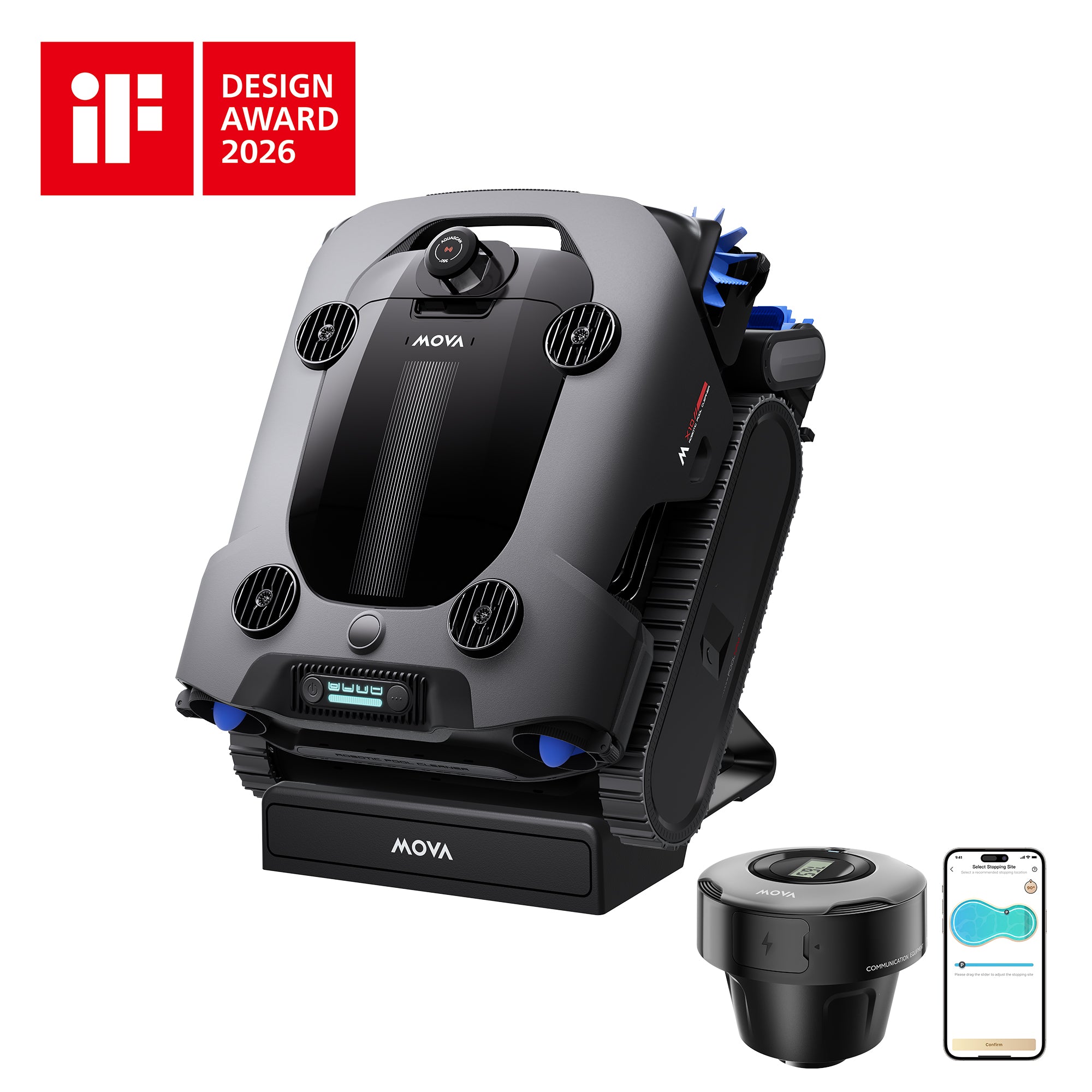


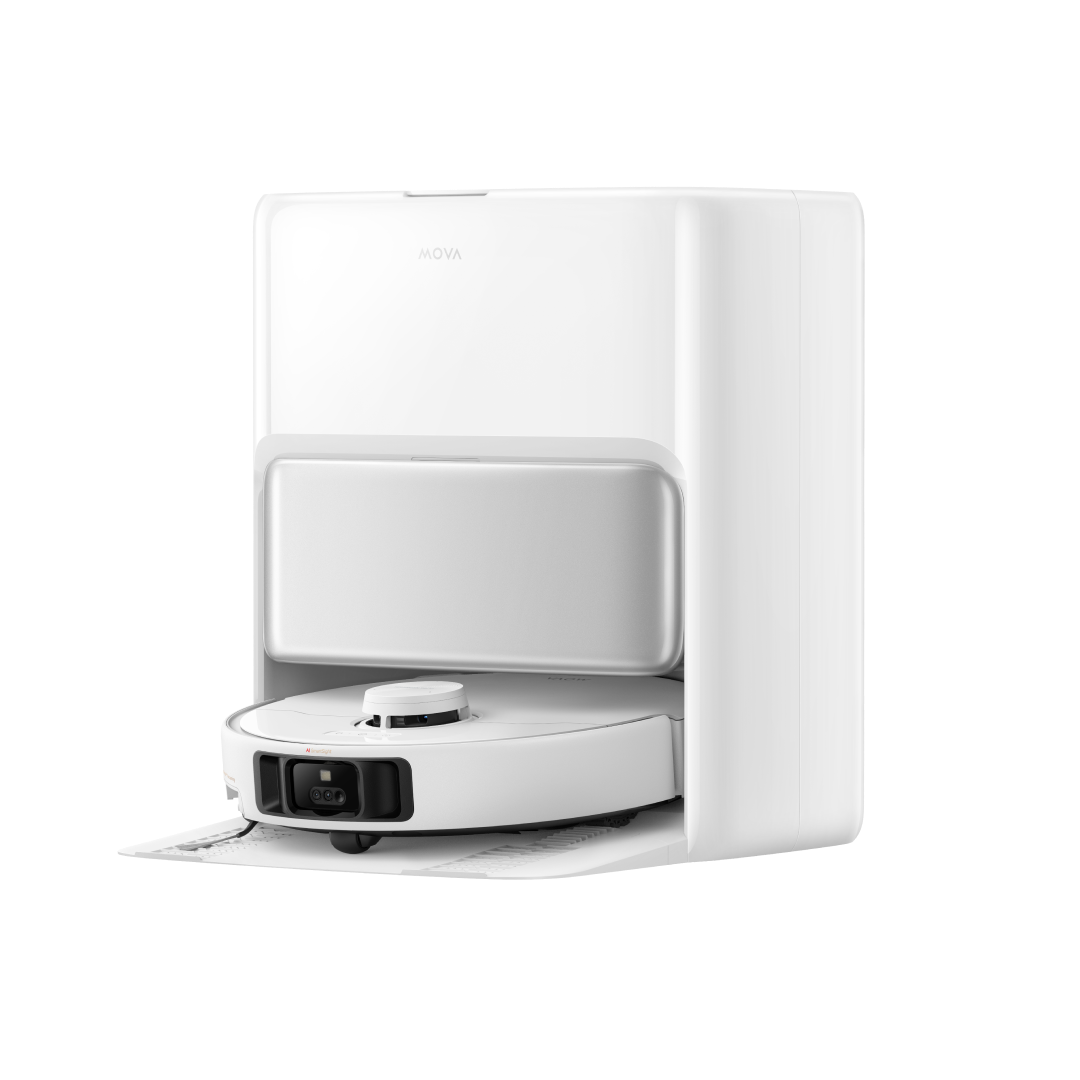
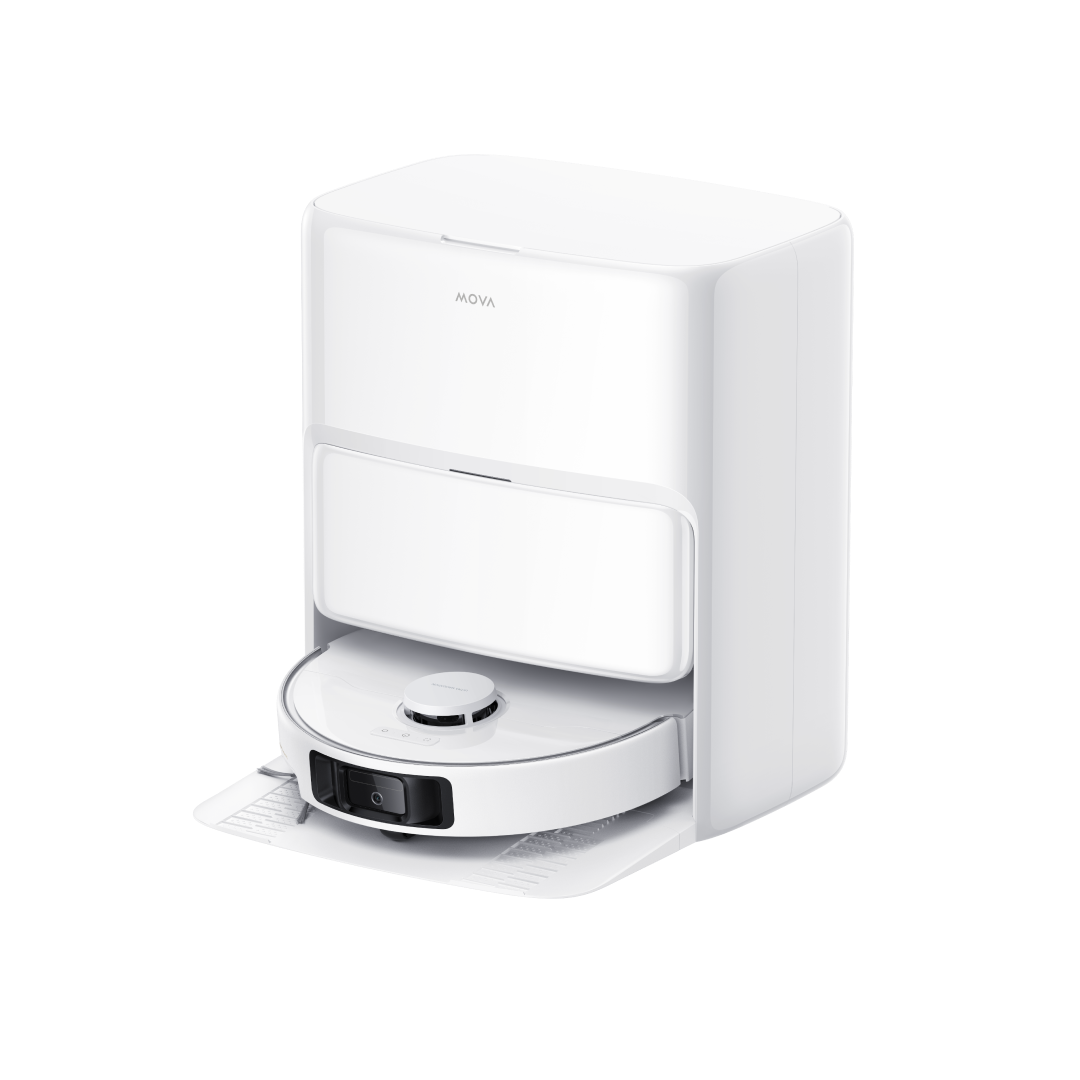


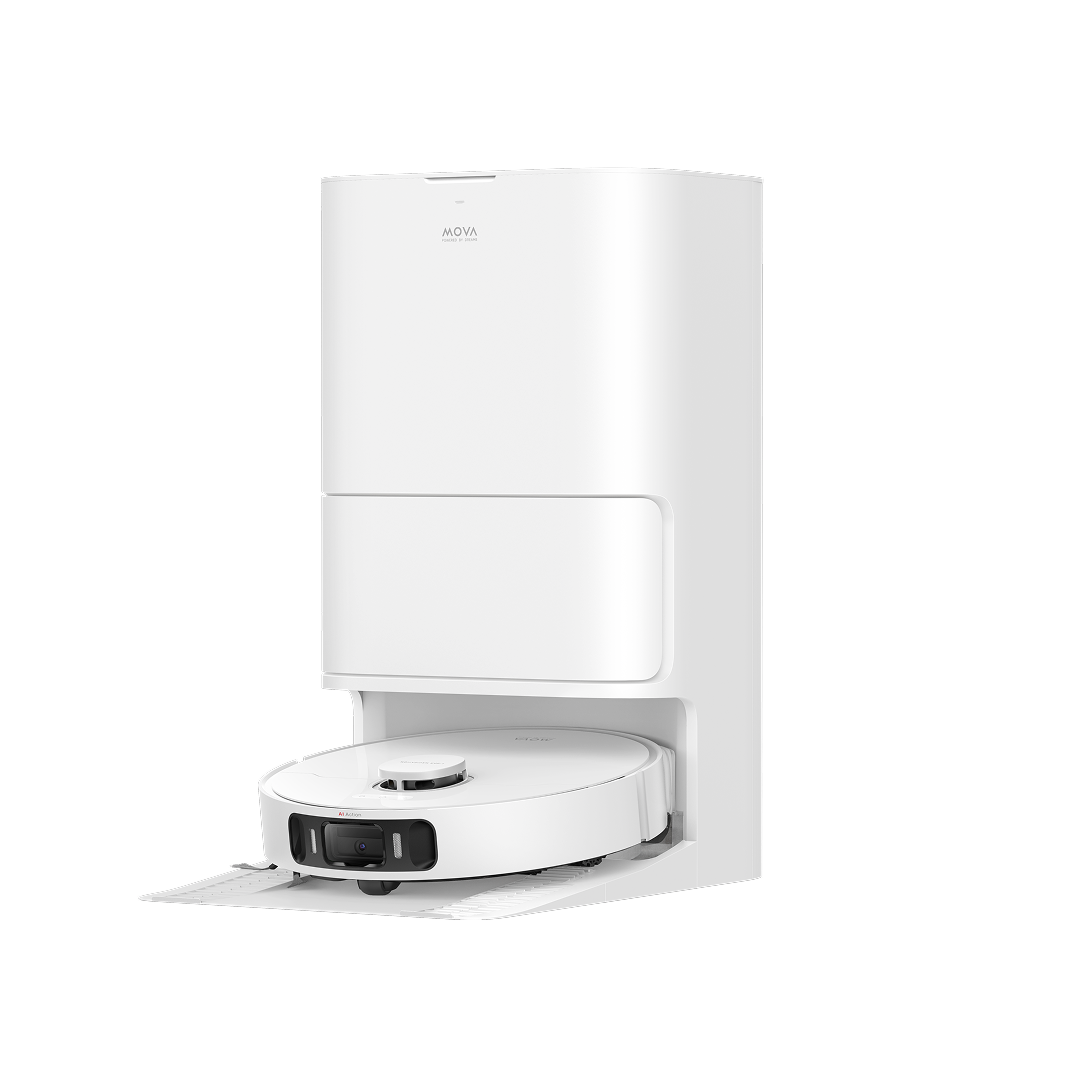
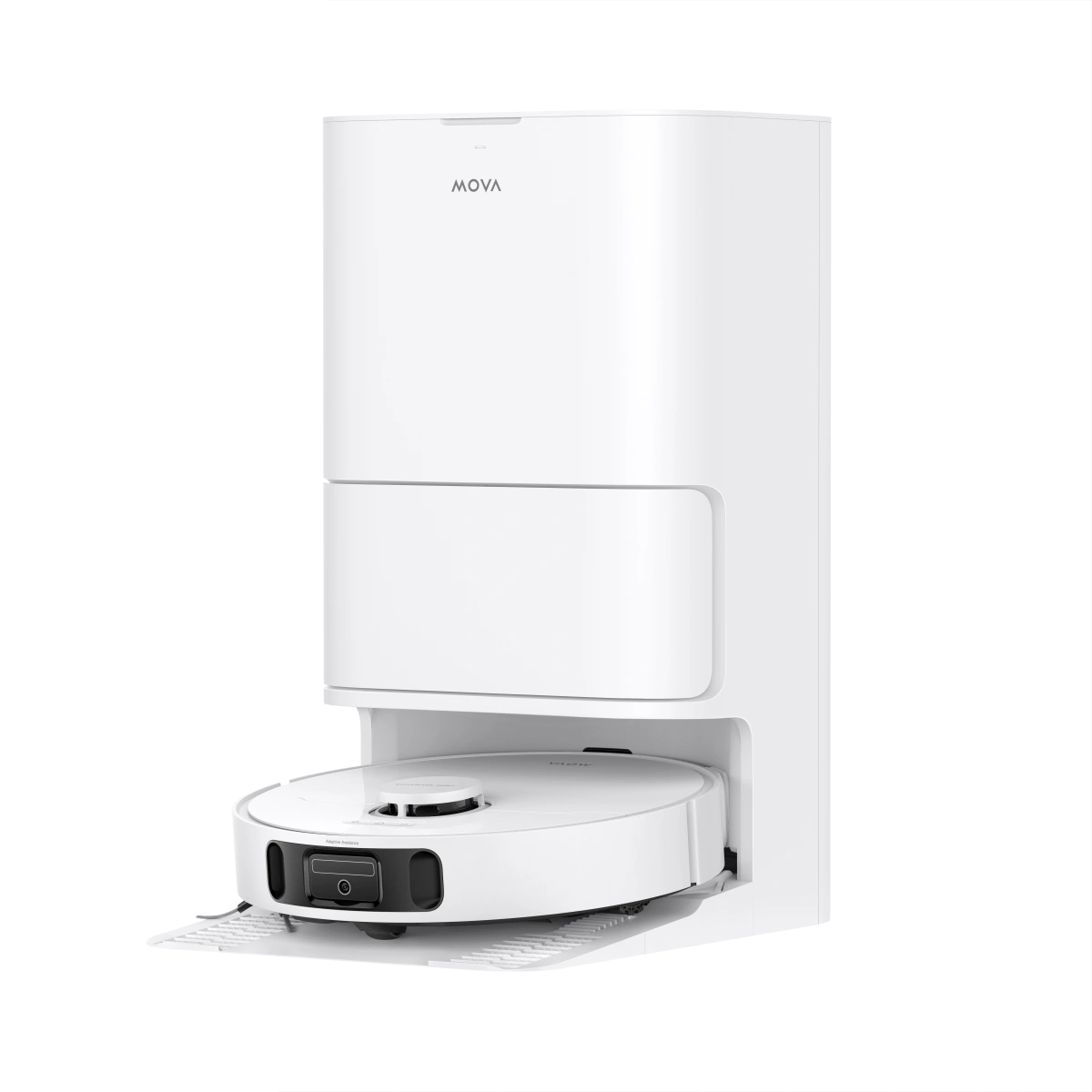










Robot vacuums have changed how people handle everyday cleaning. Instead of pushing a vacuum around, they clean your floors automatically using sensors, mapping, and scheduled routines. From basic models to advanced systems with app control and self-emptying docks, there’s now a wide range of options for different homes and lifestyles.
Among them, MOVA robot vacuum stands out for its balance of strong suction, accurate navigation, and user-friendly smart features. It handles daily cleaning with minimal effort while delivering consistent results across different floor types.
If you’re deciding whether a robot vacuum fits your needs, this guide explains the main advantages and limitations to help you make a clear choice.
Quick Comparison: Robot Vacuum Pros vs Cons
|
Advantages |
Limitations |
|
Automated & hands-free cleaning |
Higher initial cost |
|
Great for daily maintenance |
Not a full deep-clean replacement |
|
Smart mapping and navigation |
Needs occasional maintenance |
|
Cleans hard-to-reach areas |
May get stuck on obstacles |
|
App and voice control support |
Battery/runtime limits |
Top Advantages of Robot Vacuums
Robot vacuums are particularly effective for maintaining cleanliness on a daily basis. If you have pets that shed frequently or kids who leave crumbs everywhere, a robot vacuum can keep your floors looking tidy between deeper cleaning sessions.
Studies show that robot vacuums can achieve up to 97% cleaning efficiency on hard floors and over 90% on carpets under typical conditions, reinforcing their reliability for everyday use.
MOVA robot vacuums are designed to handle everyday messes with ease, making them ideal for households that require constant upkeep.
Studies show that robot vacuums can achieve up to 97% cleaning efficiency on hard floors and over 90% on carpets under typical conditions, reinforcing their reliability for everyday use." after the phrase "keep your floors looking tidy between deeper cleaning sessions.
Time-Saving and Convenient
-
Automates routine cleaning: You can schedule cleaning sessions daily or weekly, so floors stay consistently clean without manual effort.
-
Reduces hands-on work: Instead of vacuuming yourself, the device handles dust and debris while you focus on other tasks.
-
Remote control via app: Start, stop, or customize cleaning even when you’re not at home, which is especially useful for busy schedules.
-
Ideal for modern lifestyles: Works well for families, pet owners, and professionals who don’t have time for frequent manual cleaning.
Effective for Daily Cleaning
-
Keeps floors consistently tidy: Regular cleaning prevents dirt, crumbs, and pet hair from building up over time.
-
Works best for light-to-moderate mess: Perfect for everyday dust and surface debris rather than heavy dirt.
-
Supports a cleaner indoor environment: Frequent cleaning can help reduce allergens like dust and pet dander.
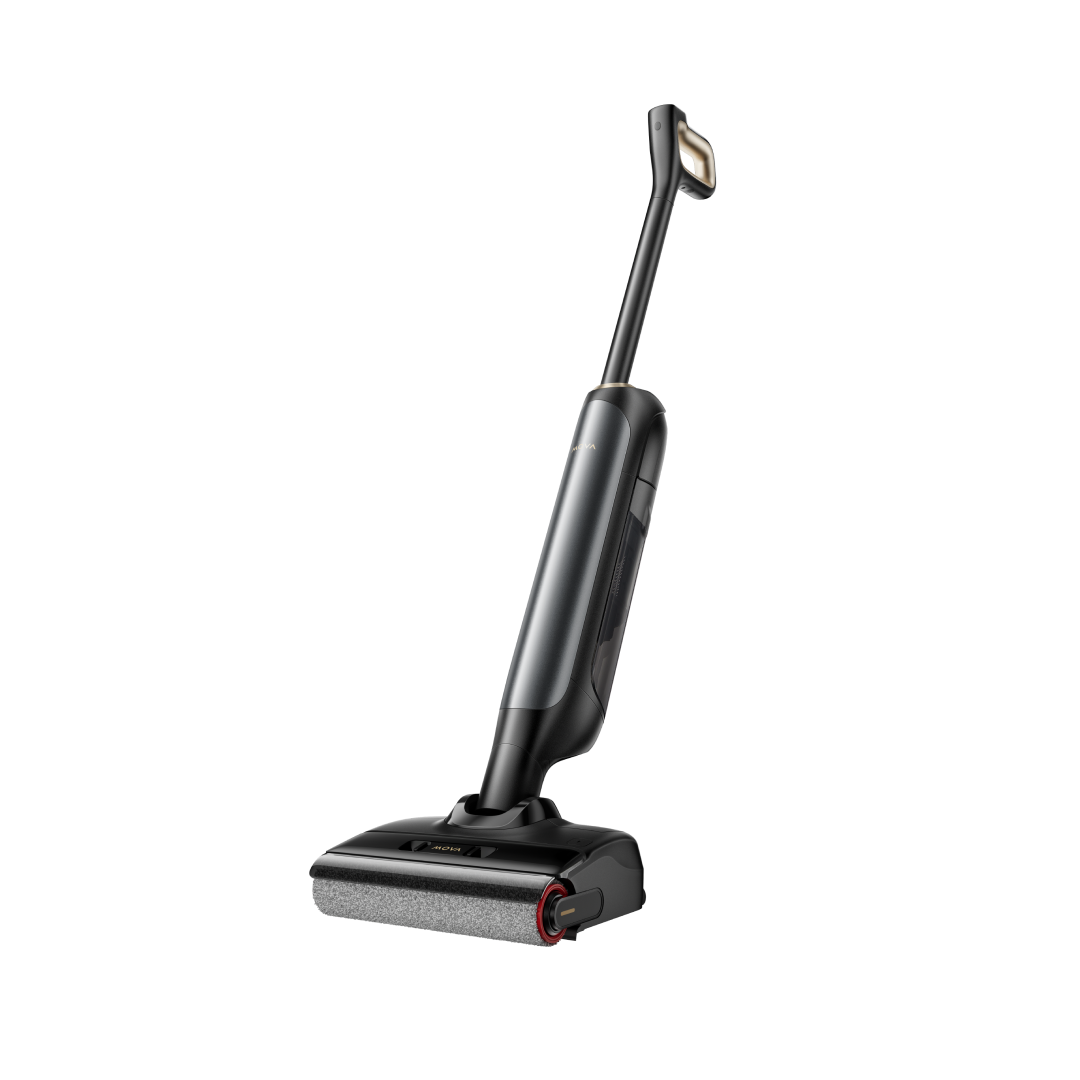
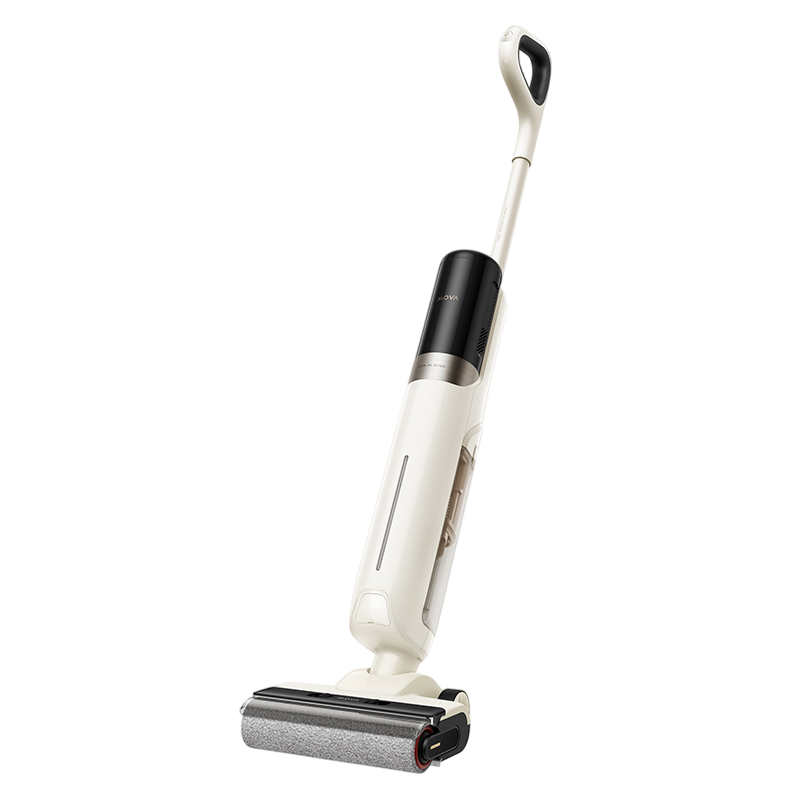
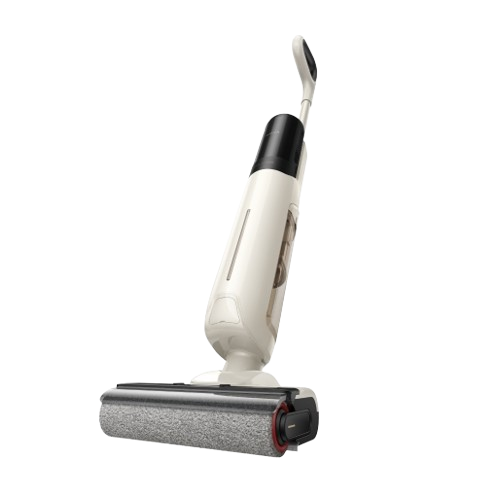
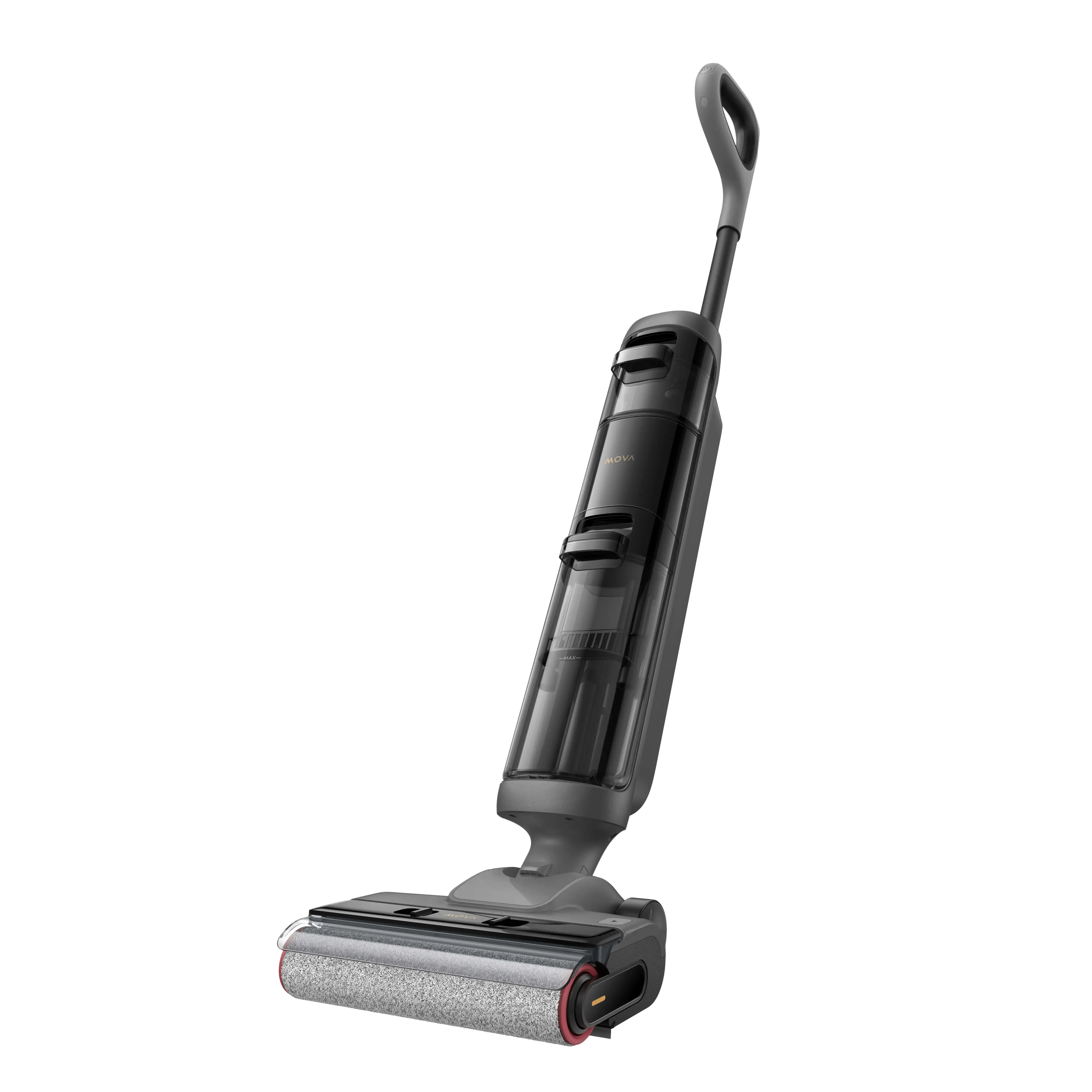
For homes that need more flexibility beyond daily maintenance, combining a robot vacuum with a wet and dry vacuum can help handle spills and deeper cleaning tasks more effectively.
Smart Navigation and Mapping
-
Uses advanced mapping systems: Technologies like LiDAR or visual SLAM create accurate layouts of your home.
-
Cleans in organized paths: Unlike older models, modern units follow structured routes instead of random movement.
-
Avoids obstacles effectively: Detects furniture, walls, and drop-offs to prevent collisions or falls.
-
Improves over time: Some models learn your layout and optimize cleaning routes for better efficiency.
Cleans Hard-to-Reach Areas
-
Slim and compact design: Easily fits under furniture like beds, sofas, and cabinets.
-
Reaches neglected spaces: Helps clean areas that are often skipped during manual vacuuming.
-
Reduces physical effort: No need to move heavy furniture just to clean underneath.
Low Maintenance Features
-
Self-charging capability: Automatically returns to the dock when the battery is low, then resumes cleaning if needed.
-
Optional self-emptying systems: Some models reduce how often you need to empty the dustbin.
-
Easy maintenance design: Components like brushes and filters are accessible and simple to clean.
-
Saves time long term: Requires less ongoing effort compared to traditional vacuums.
For homes with carpets or heavier dirt, you may also want to read about robot vacuums designed for deep carpet cleaning. This explains how newer models handle tougher surfaces.
Smart Home Integration
-
Voice control compatibility: Works with Alexa or Google Assistant for hands-free commands.
-
App-based customization: Set no-go zones, adjust cleaning modes, or schedule routines easily.
-
Fits into smart ecosystems: Integrates with other smart home devices for a seamless experience.
Disadvantages of Robot Vacuums
While robot vacuums save you time, they aren't entirely maintenance-free. You'll need to empty the dustbin, clean the brushes, and occasionally check for debris.
Consumer research also shows that battery life and occasional interruptions (like getting stuck) are among the most common user concerns, even though overall satisfaction remains high due to convenience."
However, MOVA robot vacuums are designed with user-friendly maintenance in mind. With easy-access compartments and durable components, routine care is simple and doesn’t take much time.
Higher Initial Cost
-
More expensive upfront: Robot vacuums generally cost more than standard manual models.
-
Advanced features increase price: Mapping, auto-empty, and app controls can raise the overall cost.
-
Value depends on usage: The investment makes more sense if you use it regularly for maintenance cleaning.
Not Ideal for Deep Cleaning
-
Limited power for heavy dirt: May struggle with deeply embedded debris in carpets.
-
Not a full replacement: Traditional vacuums are still needed for occasional deep cleaning.
-
Best used as a supplement: Works alongside, not instead of, a standard vacuum for best results.
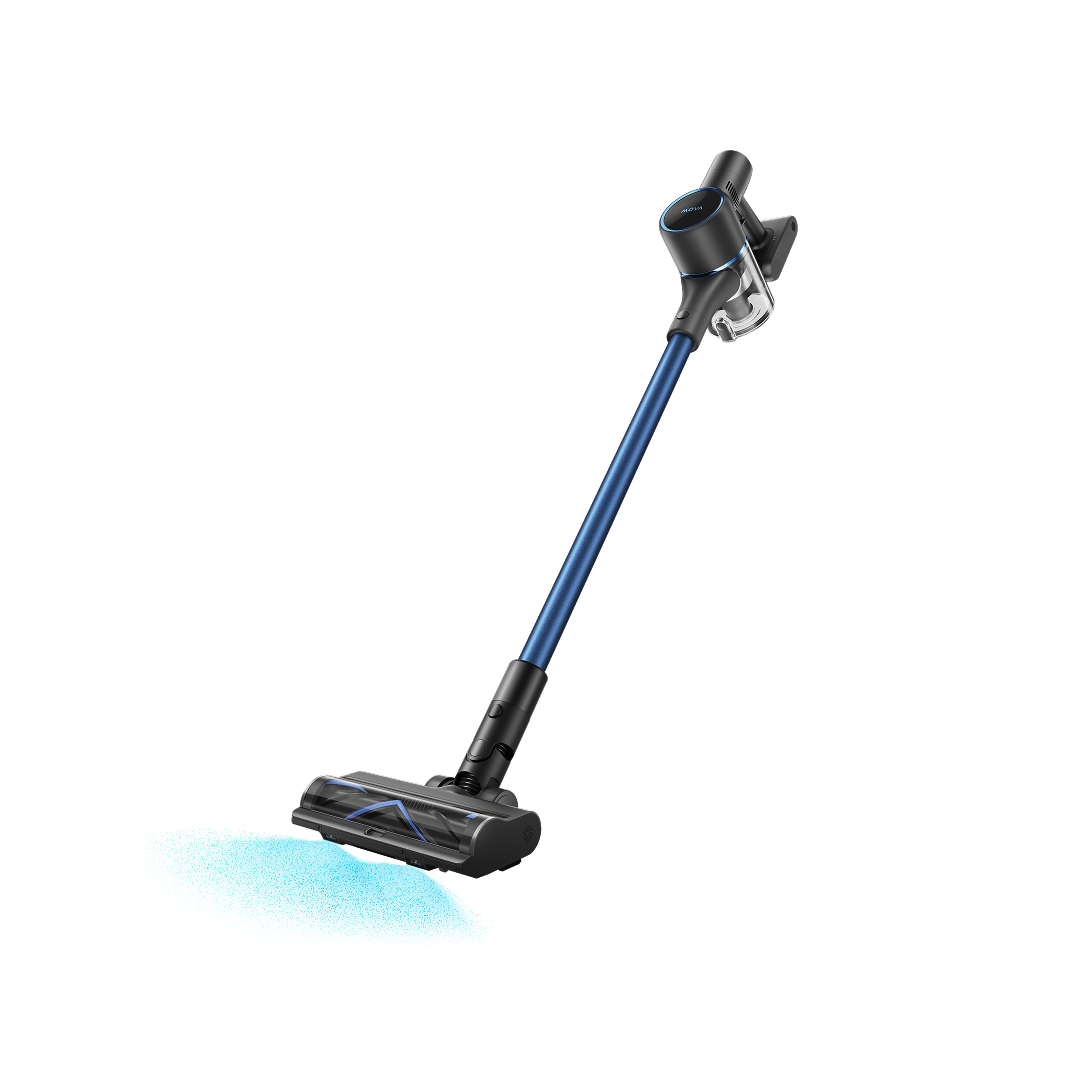
If you’re dealing with stubborn dirt or carpets, pairing your robot vacuum with a cordless stick vacuum gives you the extra power needed for occasional deep cleaning.
Maintenance Still Required
-
Regular dustbin emptying: Even with automation, you’ll still need to clear collected debris.
-
Brushes and filters need cleaning: Hair and dust can build up and affect performance if not maintained.
-
Long-term upkeep: Parts like filters or brushes may need replacement over time.
If you want to keep performance consistent, follow this robot vacuum maintenance guide for simple cleaning and care tips.
Not Fully Autonomous
-
Can get stuck in cluttered spaces: Cords, rugs, and tight areas may interrupt cleaning.
-
Requires occasional supervision: You may need to reposition or rescue the device at times.
-
Performance depends on environment: A tidy space allows smoother and more efficient operation.
Final Thoughts
Robot vacuums come with both advantages and limitations. They offer smart, hands-free cleaning and daily upkeep but may require occasional maintenance and are not a full replacement for deep cleaning. If your lifestyle demands convenience, consistent cleanliness, and time efficiency, a MOVA robot vacuum is an excellent addition to your home. It's a worthwhile investment for anyone ready to embrace smarter cleaning.
FAQs
1. Are robot vacuums worth it?
Absolutely. If you value time-saving convenience and automated cleaning, robot vacuums are a strong investment. They handle daily dust, crumbs, and pet hair without manual effort, helping maintain a consistently clean home.
While they require an upfront cost, the long-term time savings and smart features make them worthwhile, especially for busy households.
2. How do robot vacuums work?
Robot vacuums combine sensors, motors, and intelligent algorithms to clean floors autonomously. They navigate your home using mapping systems like LiDAR or visual SLAM, allowing them to detect dirt, avoid obstacles, and plan efficient cleaning paths.
Once the battery runs low, most models automatically return to their charging dock. Advanced units can also store maps, set room-specific cleaning zones, and adjust suction levels based on floor type.
3. Do robot vacuums work on all types of flooring?
Most robot vacuums, including MOVA models, are designed to clean a variety of flooring types, such as hardwood, tile, laminate, and low- to medium-pile carpets. They automatically adjust suction power depending on the surface to ensure effective cleaning. However, thick or high-pile carpets may be more challenging and are better cleaned with a traditional vacuum from time to time.
4. Can robot vacuums clean in the dark?
Yes, many modern robot vacuums can clean in low-light or dark environments, depending on the type of navigation technology used. MOVA robot vacuums equipped with LiDAR (laser-based navigation) can operate in complete darkness, as they don't rely on cameras or visual input. This allows them to clean efficiently even at night or in dim rooms.
5. Do robot vacuums get stuck on obstacles or rugs?
They can occasionally get stuck on loose cables, thick rugs, or tight spaces. However, newer models include advanced obstacle detection to reduce these issues.
For best results:
• Keep floors clear of cords and small objects
• Use no-go zones if available
• Maintain a clutter-free layout for smoother navigation
6. Should I get a robot vacuum with or without mop?
It depends on your needs. Robot vacuums with mopping (hybrid models) are great for hard floors that need light damp cleaning, but they won’t replace deep mopping. If you mostly have carpet or just need dry vacuuming, a standard robot vacuum like MOVA is sufficient.